Deepening EU-Georgian Relations : Updating and Upgrading in the Shadow of Covid-19
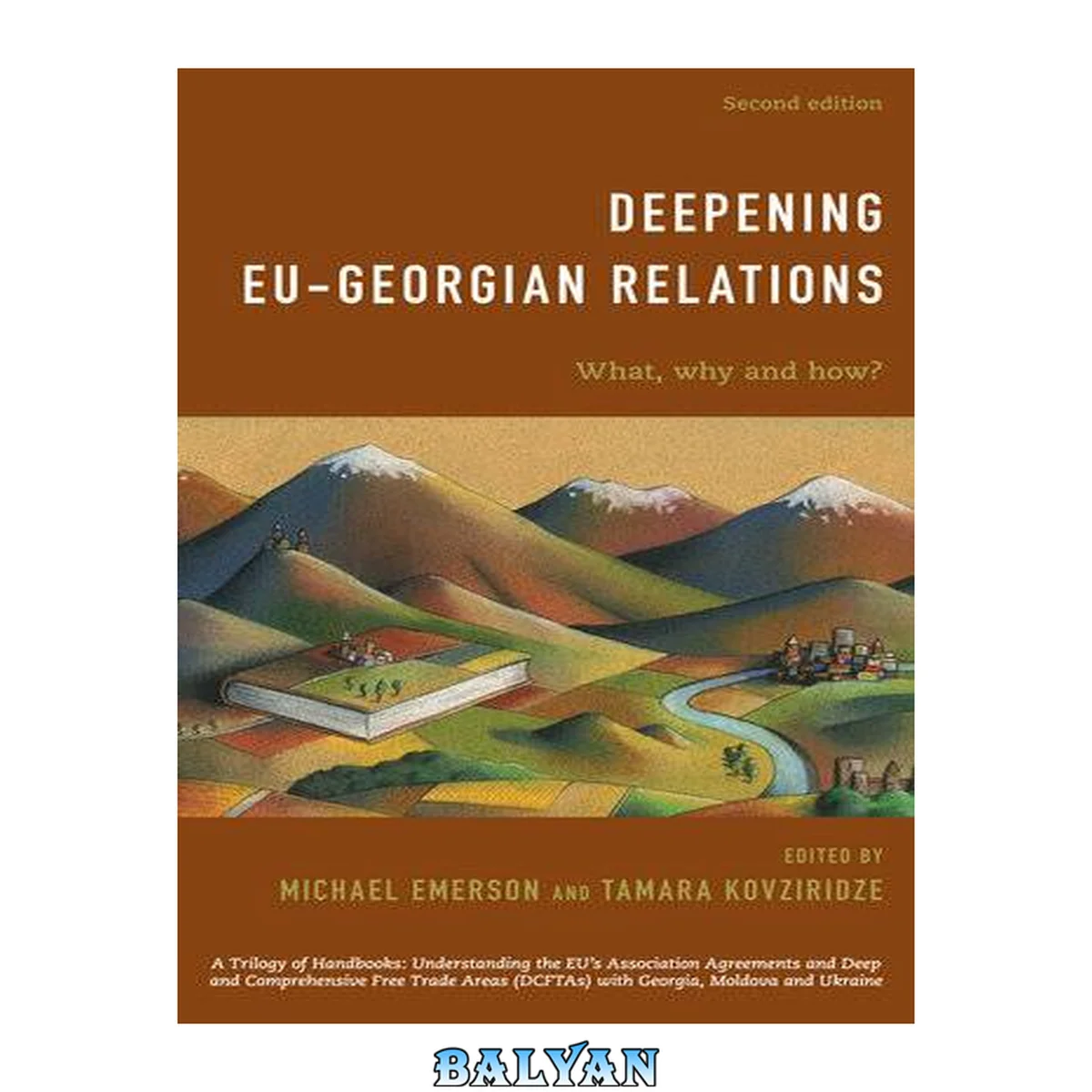
معرفی کتاب «Deepening EU-Georgian Relations : Updating and Upgrading in the Shadow of Covid-19» نوشتهٔ Michael Emerson; Tamara Kovziridze; Tinatin Akhvlediani; Giorgi Akhalaia; Centre for European Policy Studies (Brussels, Belgium),; Reformatics (Research institute)، منتشرشده توسط نشر Centre for European Policy Studies ; Reformatics ; Rowman & Littlefield International در سال 2021. این کتاب در فرمت epub، زبان انگلیسی ارائه شده است.
For Georgia, the signing of the Association Agreement and the DCFTA with the European Union in 2014 was an act of strategic geopolitical significance. Of all the EU's eastern partners, the country distinguished itself since the Rose Revolution of 2003 by pushing ahead with a radical liberalisation and economic reform agenda. Georgia is unique among the countries in the region for having largely cleansed its economy of corruption in the post-Rose Revolution period, although its political system is marked by oligarchal state capture since the change of government in 2012.The purpose of this Handbook is to make the complex political, economic and legal content of the Association Agreement readily understandable. This third edition, published seven years since signature of after entry into force of the Agreement's implementation is substantially new in content, both updating how Georgia has been implementing the Agreement, and introducing new dimensions (including the Green Deal, the Covid-19 pandemic, cyber security, and gender equality). The Handbook is also up to date in analysing Georgia's troubled democracy. Two teams of researchers from leading independent think tanks, CEPS in Brussels and Reformatics in Tbilisi, collaborated on this project, with the support of the Swedish International Development Agency (Sida). This Handbook is one of a trilogy examining similar Association Agreements made by the EU with Ukraine and Moldova. "The purpose of Deepening EU-Georgian Relations is to make the complex political, economic, and legal content of the Association Agreement readily understandable. This third edition, published seven years since the Agreement's implementation is substantially new in content, both updating how Georgia has been enacting the Agreement, and introducing new dimensions (including the Green Deal, the COVID-19 pandemic, cyber security, and gender equality). The Handbook is also up to date in analysing Georgia's troubled democracy. For Georgia, the signing of the Association Agreement and the DCFTA with the European Union in 2014 was an act of strategic geopolitical significance. Of all the EU's eastern partners, the country distinguished itself since the Rose Revolution of 2003 by pushing ahead with a radical liberalisation and economic reform agenda. Georgia is unique among the countries in the region for having largely cleansed its economy of corruption in the post-Rose Revolution period, although its political system is marked by oligarchal state capture since the change of government in 2012, and in the most recent period by grave instability that has drawn the EU into an increasingly active role"--Back cover For Georgia, the signing of the Association Agreement and the DCFTA with the European Union in 2014 was an act of strategic geopolitical significance. Of all the EU’s eastern partners, the country has distinguished itself since the Rose Revolution of 2003 by pushing ahead with a radical liberalisation and economic reform agenda. Georgia is also unique among the countries in the region for having largely cleansed its economy and political system of corruption. The purpose of this Handbook is to make the complex political, economic and legal content of the Association Agreement readily understandable. This second edition, published two years into the Agreement’s implementation, adds new value. The Handbook now reflects Georgia’s progress in putting the Agreement into effect. Two teams of researchers from leading independent think tanks, CEPS in Brussels and Reformatics in Tbilisi, collaborated on this project, with the support of the Swedish International Development Agency (Sida). This Handbook is one of a trilogy examining similar Association Agreements made by the EU with Ukraine and Moldova. This Second Edition Carries The Story Forward, With A Systematic Assessment Of The Achievements And Problems That Implementation Of The Treaty Has Been Witnessing Over The Subsequent Years. This book offers a one-stop guide to the European Union–Georgian Association Agreement.
دانلود کتاب Deepening EU-Georgian Relations : Updating and Upgrading in the Shadow of Covid-19