Darker than Blue: On the Moral Economies of Black Atlantic Culture (The W. E. B. Du Bois Lectures)
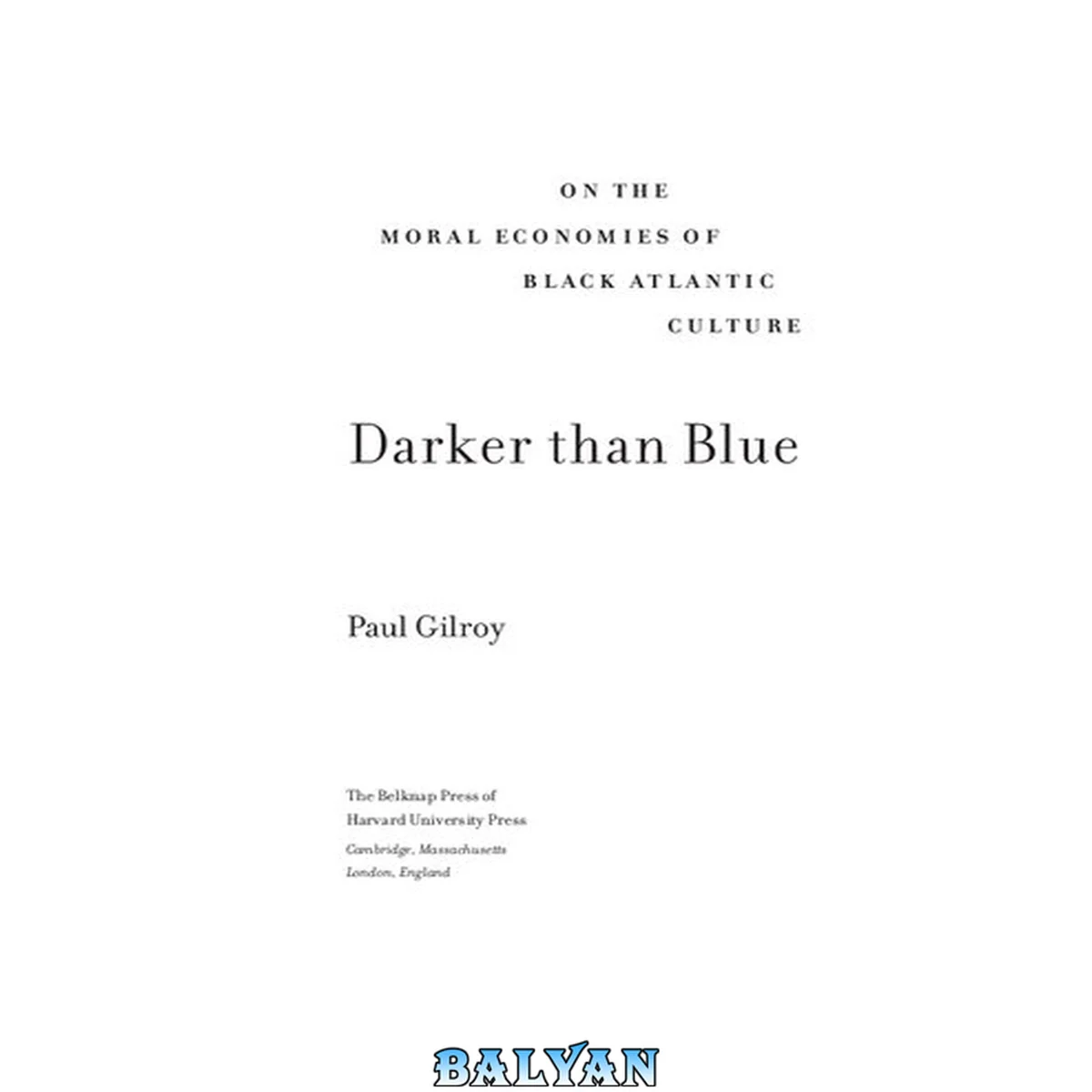
معرفی کتاب «Darker than Blue: On the Moral Economies of Black Atlantic Culture (The W. E. B. Du Bois Lectures)» نوشتهٔ Sanderson، Brandon و Paul Gilroy، منتشرشده توسط نشر Belknap Press: An Imprint of Harvard University Press در سال 2010. این کتاب در فرمت pdf، زبان انگلیسی ارائه شده است.
paul Gilroy Seeks To Awaken A New Understanding Of W. E. B. Du Bois’ Intellectual And Political Legacy. At A Time Of Economic Crisis, Environmental Degradation, Ongoing Warfare, And Heated Debate Over Human Rights, How Should We Reassess The Changing Place Of Black Culture?
gilroy Considers The Ways That Consumerism Has Diverted African Americans’ Political And Social Aspirations. Luxury Goods And Branded Items, Especially The Automobile—rich In Symbolic Value And The Promise Of Individual Freedom—have Restratified Society, Weakened Citizenship, And Diminished The Collective Spirit. Jazz, Blues, Soul, Reggae, And Hip Hop Are Now Seen As Generically American, Yet Artists Like Jimi Hendrix, Chuck Berry, And Bob Marley, Who Questioned The Allure Of Mobility And Speed, Are Not Understood By People Who Have Drained Their Music Of Its Moral Power.
gilroy Explores The Way In Which Objects And Technologies Can Become Dynamic Social Forces, Ensuring Black Culture’s Global Reach While Undermining The Drive For Equality And Justice. Drawing On The Work Of A Number Of Thinkers, Including Michel Foucault, Hannah Arendt, Primo Levi, And Frantz Fanon, He Examines The Ethical Dimensions Of Living In A Society That Celebrates The Object. What Are The Implications For Our Notions Of Freedom?
with His Brilliant, Provocative Analysis And Astonishing Range Of Reference, Gilroy Revitalizes The Study Of African American Culture. He Traces The Shifting Character Of Black Intellectual And Social Movements, And Shows How We Can Construct An Account Of Moral Progress That Reflects Today’s Complex Realities.
"Paul Gilroy seeks to awaken a new understanding of W.E.B. Du Bois's intellectual and political legacy. At a time of economic crisis, environmental degradation, ongoing warfare, and heated debate over human rights, how should we reassess the changing place of black culture?" "Gilroy considers the ways that consumerism has diverted African Americans' political and social aspirations. Luxury goods and branded items, especially the automobile - rich in symbolic value and the promise of individual freedom - have restratified society, weakened citizenship, and diminished the collective spirit, Jazz, blues, soul, reggae, and hip hop are now seen as generically American, yet artists like Jimi Hendrix, Chuck Berry, and Bob Marley, who questioned the allure of mobility and speed, are not understood by people who have drained their music of its moral power." "Gilroy explores the way in which objects and technologies can become dynamic social forces, ensuring black culture's global reach while undermining the drive for equality and justice. Drawing on the work of a number of thinkers, including Michel Foucault, Hannah Arendt, Primo Levi, and Frantz Fanon, he examines the ethical dimensions of living in a society that celebrates the object. What are the implications for our notions of freedom?" "With his provocative analysis and astonishing range of reference, Gilroy revitalizes the study of African American culture. He traces the shifting character of black intellectual and social movements, and shows how we can construct an account of moral progress that reflects today's complex realities."--Jaquette Paul Gilroy seeks to awaken a new understanding of W. E. B. Du Boiss intellectual and political legacy. At a time of economic crisis, environmental degradation, ongoing warfare, and heated debate over human rights, how should we reassess the changing place of black culture? Gilroy considers the ways that consumerism has diverted African Americans political and social aspirations. Luxury goods and branded items, especially the automobilerich in symbolic value and the promise of individual freedomhave restratified society, weakened citizenship, and diminished the collective spirit. Jazz, blues, soul, reggae, and hip hop are now seen as generically American, yet artists like Jimi Hendrix, Chuck Berry, and Bob Marley, who questioned the allure of mobility and speed, are not understood by people who have drained their music of its moral power. Gilroy explores the way in which objects and technologies can become dynamic social forces, ensuring black cultures global reach while undermining the drive for equality and justice. Drawing on the work of a number of thinkers, including Michel Foucault, Hannah Arendt, Primo Levi, and Frantz Fanon, he examines the ethical dimensions of living in a society that celebrates the object. What are the implications for our notions of freedom? With his brilliant, provocative analysis and astonishing range of reference, Gilroy revitalizes the study of African American culture. He traces the shifting character of black intellectual and social movements, and shows how we can construct an account of moral progress that reflects todays complex realities. Gilroy offers a new understanding of W. E. B. Du Bois’ intellectual and political legacy and revitalizes the study of African American culture. He traces the shifting character of black intellectual and social movements, and shows how we can construct an account of moral progress that reflects today’s complex realities. Pages from Gilroy_PBK_TXT_FINAL Pages from Gilroy_index