Cry Havoc : How the Arms Race Drove the World to War, 1931-1941
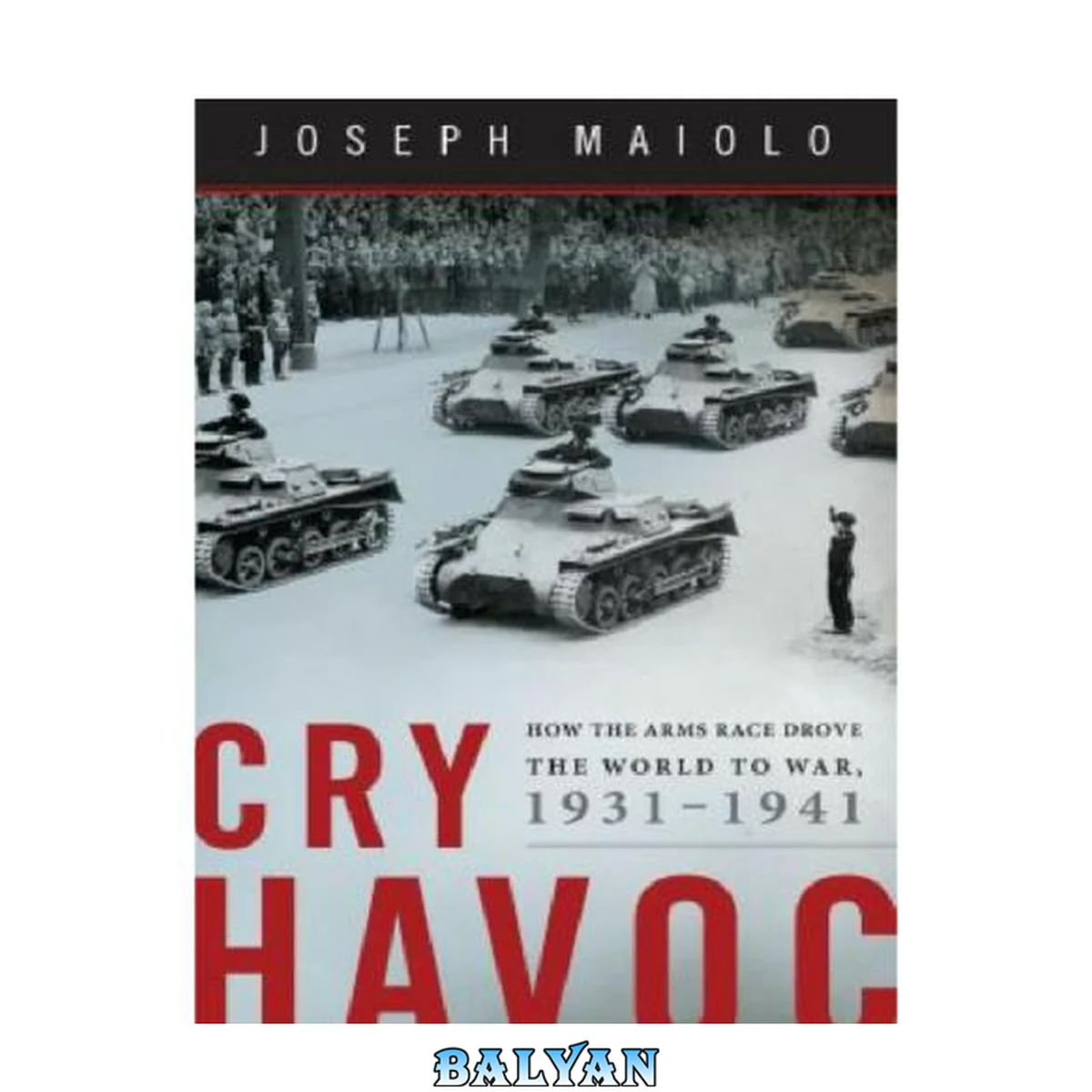
معرفی کتاب «Cry Havoc : How the Arms Race Drove the World to War, 1931-1941» نوشتهٔ Maiolo, Joseph A، منتشرشده توسط نشر Basic Civitas Books در سال 2010. این کتاب در فرمت epub، زبان انگلیسی ارائه شده است.
a Leading Military Historian Chronicles The Global Arms Race Of The 1930s As It Led Inexorably To The Unleashing Of The Dogs Of War
publishers Weekly
maiolo (the Royal Navy And Nazi Germany, 1933-1939), Of The Department Of War Studies At King’s College, London, Challenges The Familiar Thesis That Wwii Was A Consequence Of The Democracies Neglecting Their Defenses In The 1920s And Failing To Rearm Quickly Enough In The 1930s To Stop Axis Aggression. This Thoroughly Researched Work Makes An Alternate Case: Growing Political Tension In The 1930s Generated A General Arms Race. It Began With The “red Militarism” Initiated By Soviet Marshal Mikhail Tukhachevsky. It Was Thrown Into High Gear When Nazi Germany Repudiated The Versailles Treaty, And A Synergy Of Action-reaction Surges Increased The Pace Of Military Spending And Production. With An “emulate-or-capitulate Logic,” The Arms Race Became “a Vast Maelstrom,” With Its Own Dynamic That Destroyed The Participants’ Master Plans. Maiolo Makes A Strong Case That By 1939 The Axis’s Enemies Had Taken A Sufficient Lead That Italy, Japan, And Germany Sought To Create Windows Of Opportunity Using What They Had. The Result Was A Global, Total War--and Continuation Of The Arms Race In Thermonuclear, Superpower Contexts That Continued Until The U.s.s.r.’s Implosion. 16 B&w Illus.; Maps. (oct.)
Did the arms race of the 1930s cause the Second World War? In Cry Havoc , historian Joseph Maiolo shows, in rich and fascinating detail, how the deadly game of the arms race was played out in the decade prior to the outbreak of the Second World War. In this exhaustively researched account, he explores how nations reacted to the moves of their rivals, revealing the thinking of those making the key decisions — Hitler, Mussolini, Chamberlain, Stalin, Roosevelt — and the dilemmas of democratic leaders who seemed to be faced with a choice between defending their nations and preserving their democratic way of life. An unparalleled account of an era of extreme political tension, Cry Havoc shows how the interwar arms race shaped the outcome of World War II before the shooting even began.