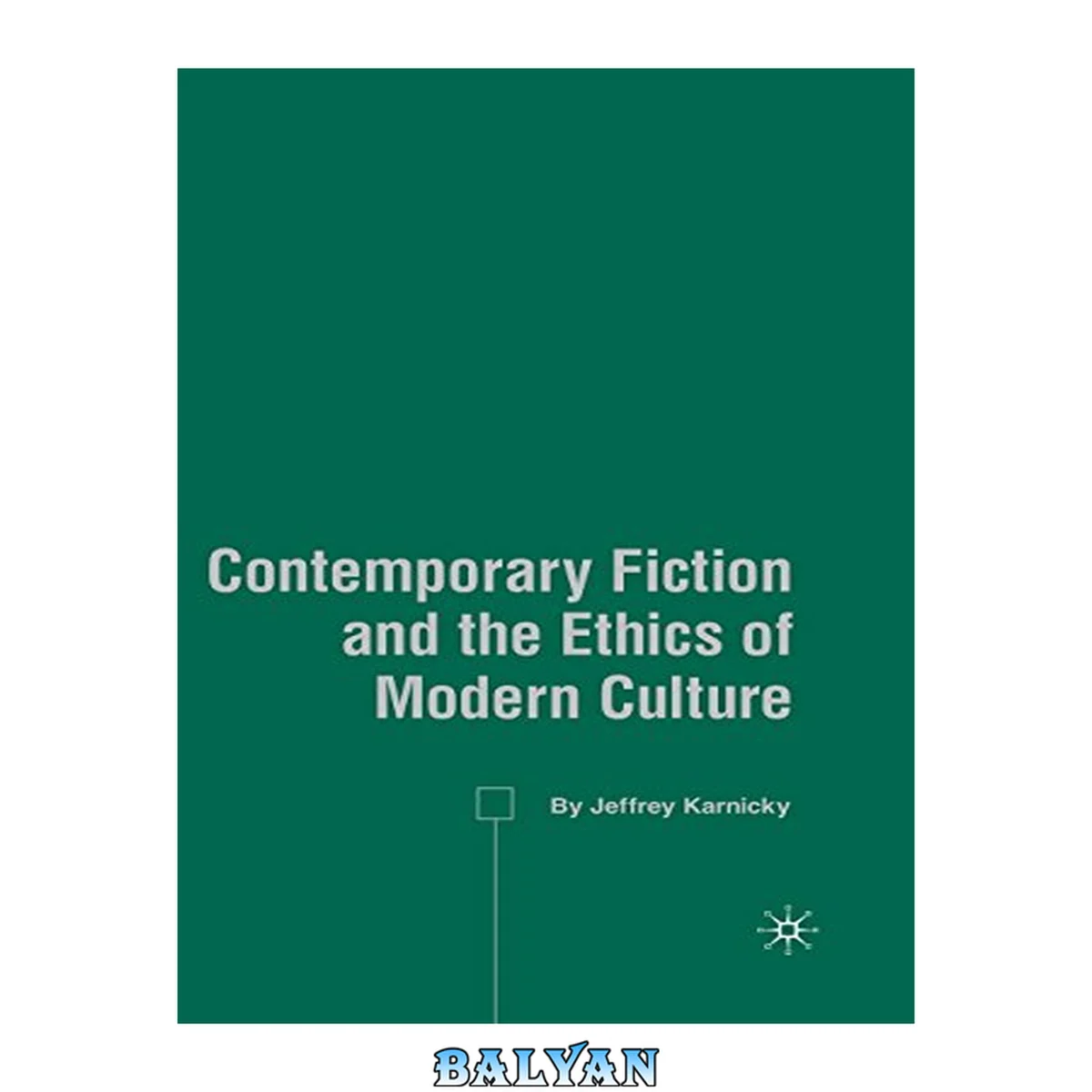
معرفی کتاب «Contemporary Fiction and the Ethics of Modern Culture» نوشتهٔ Karnicky, Jeffrey، منتشرشده توسط نشر Palgrave Macmillan US : Imprint: Palgrave Macmillan در سال 2007. این کتاب در 4 صفحه، فرمت pdf، زبان انگلیسی ارائه شده است.
Kit Hume deserves special thanks for expert guidance in professional matters, and for helping to make this book much clearer than it would otherwise be. Jeff Nealon also deserves special thanks for being the best theory professor ever. I cannot thank Rich Doyle enough. This book would not exist without his insight and friendship, not to mention our many breakfasts at the Corner Room. I also thank John McClure and Terrence Holt, who prompted me to go to graduate school. I thank my mother, Veronica, and my father, Tony. I thank the Brown family. I thank my editor and Palgrave and the anonymous reviewer of my manuscript. Lastly, I thank my wife, Megan, to whom I dedicate this book. sal of W. K. Wimsatt Jr. and Monroe Beardley's "The Affective Fallacy," which claims that a "confusion between the poem and its results . . . ends in impressionism and relativism" (qtd. in Tompkins ix). Reader-response criticism begins in just such a shift, from a text to the effects it produces in its readers. While Contemporary Fiction and the Ethics of Modern Culture most for criticism's future" (226). This perception, in a sense, is criticism's future in 1980. If language is considered as a form of power, every usage of language becomes a possible area of inquiry. Fish writes that criticism, considered as a form of "persuasion" (Fish 17)-that is, as a means of effecting change through language-must "account" for "everything": "texts, authors, periods, genres, canons, standards, agreements, disputes, values, changes and so on" (17). In other words, the line that moves from text to reader to interpretive community is a line of proliferation and expansion. More accounting leads to more and more meanings. Such a line explains how "English" has moved from being a marker of close textual study to a marker of an ever-expanding field of extratextual considerations. In his 1998 Reception Histories: Rhetoric, Pragmatism, and American Cultural Politics, Steven Mailloux discusses the proliferating effects of readerresponse criticism. He writes, "In the 1980s . . . pressured by various feminist, Marxist, New Historicist, and other sociopolitical criticisms, reader-oriented theory and practice turned more and more to the historical context and the political aspects of readers reading" (76). Here again, we have the same story of a movement from inside (the text) to outside (context). Such a movement seems to be the dominant narrative of the recent history of English. Of course, this narrative is somewhat simplified. 1 My goal here is not to complicate this narrative, or even to question its validity. Rather than focusing on charges of oversimplification or truth or validity, I want to consider this narrative's use. Even the brief retracing that I have just done points toward the value of this narrative line: to move from the inside to the outside is to become a better reader; to account for "everything" that goes into the production of meaning seems to give a fuller, more accurate account of the ways that power works through language. In other words, it is just plain useful to pay attention to context. Tompkins notes that "reader-response critics have extended the power and usefulness of the interpretive model that they inherited from formalism" (211). Mailloux expands on just what this use might be when he discusses the now common understanding of how reading is historically contingent, politically situated, institutionally imbedded, and materially conditioned; of how reading Contemporary Fiction and the Ethics of Modern Culture Perhaps the strongest link among Blanchot's, Deleuze's, and Guattari's respective discussions of reading is their claim that an engagement with a text, a reading, produces real, material effects in the world. Such a claim, I argue, leads directly toward an ethics of reading. While they all use different formulations-Blanchot writes of the "objects" formed through literary encounters, Deleuze writes of "life," and Guattari writes of the Between Reading and Writing
this Book Argues For The Ethical Relevancy Of Contemporary Fiction At The Beginning Of The 21st Century. The Writers Discussed In contemporary Fiction And The Ethics Of Modern culture pay Close Attention To The Concrete Realities Of The Everyday World, Such As The Feelings Of Isolation Created In Urban Environments; The Roles Played By Sports, Drugs, Advertising, And The Media; And The Widespread Use Of Computer, Telecommunication, And Entertainment Technologies. Through Reading Novels By Such Writers As David Foster Wallace, Richard Powers, And Irvine Welsh, This Book Looks At How These Works Seek To Transform The Ways That Readers Live In The World. This Book Should Appeal To Scholars Of Contemporary Literature, Persons Interested In Cultural Studies, Critics Interested In Ethics, Scholars Of Gilles Deleuze And Felix Guattari, Students Of Contemporary Literature, And General Readers Of Contemporary Literature.
"The writers discussed in Contemporary Fiction and the Ethics of Modern Culture pay close attention to the concrete realities of the everyday world, such as the feelings of isolation created in urban environments; the roles played by sports, drugs, advertising, and the media; and the widespread use of computer, telecommunication, and entertainment technologies. Through reading novels by such writers as David Foster Wallace, Richard Powers, and Irvine Welsh, this book looks at how these works seek to transform the ways that readers live in the world. This book should appeal to scholars of contemporary literature, persons interested in cultural studies, critics interested in ethics, scholars of Gilles Deleuze and Felix Guattari, students of contemporary literature, and general readers of contemporary literature."--Jacket