Conspiracies and Conspiracy Theory in Early Modern Europe : From the Waldensians to the French Revolution
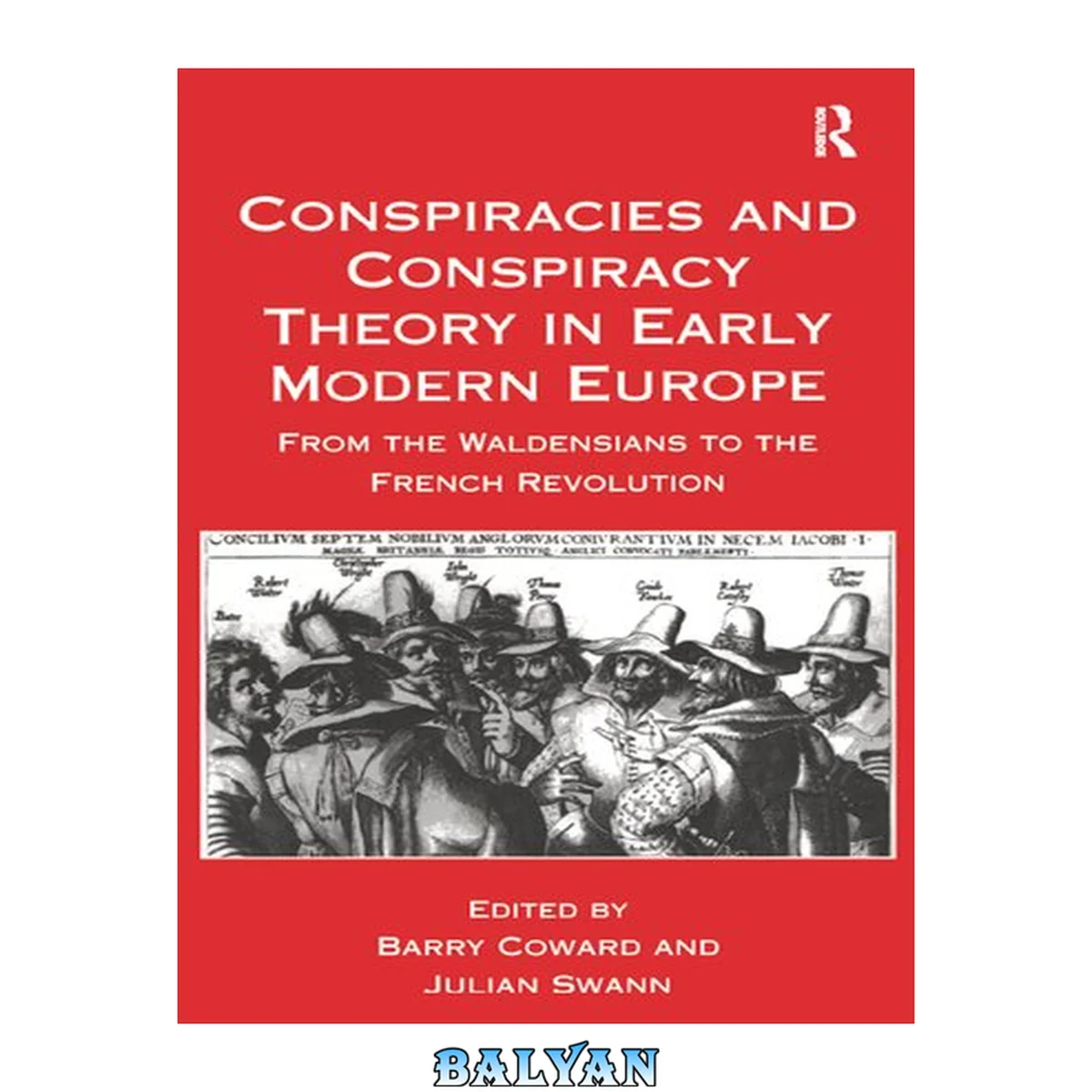
معرفی کتاب «Conspiracies and Conspiracy Theory in Early Modern Europe : From the Waldensians to the French Revolution» نوشتهٔ Bergman، Ronen و Barry Coward, Julian Swann (eds.)، منتشرشده توسط نشر Ashgate Publishing; Routledge در سال 2004. این کتاب در فرمت pdf، زبان انگلیسی ارائه شده است.
"For many generations, Guy Fawkes and his gunpowder plot, the 'Man in the Iron Mask' and the 'Devils of Loudun' have offered some of the most compelling images of the early modern period. Conspiracies, real or imagined, were an essential feature of early modern life, offering a seemingly rational and convincing explanation for patterns of political and social behaviour. This volume examines conspiracies and conspiracy theory from a broad historical and interdisciplinary perspective, by combining the theoretical approach of the history of ideas with specific examples from the period. Each contribution addresses a number of common themes, such as the popularity of conspiracy theory as a mode of explanation through a series of original case studies. Individual chapters examine, for example, why witches, religious minorities and other groups were perceived in conspiratorial terms, and how far, if at all, these attitudes were challenged or redefined by the Enlightenment. Cultural influences on conspiracy theory are also discussed, particularly in those chapters dealing with the relationship between literature and politics. As prevailing notions of royal sovereignty equated open opposition with treason, almost any political activity had to be clandestine in nature, and conspiracy theory was central to interpretations of early modern politics. Factions and cabals abounded in European courts as a result, and their actions were frequently interpreted in conspiratorial terms. By the late eighteenth century it seemed as if this had begun to change, and in Britain in particular the notion of a 'loyal opposition' had begun to take shape. Yet the outbreak of the French Revolution was frequently explained in conspiratorial terms, and subsequently European rulers and their subjects remained obsessed with conspiracies both real and imagined. This volume helps us to understand why."--Provided by publisher Detecting The Ultimate Conspiracy, Or, How Waldensians Became Witches / Wolfgang Behringer -- Conspiracy And Its Prosecution In Italy, 1500-1550 : Violent Responses To Violent Solutions / Kate Lowe -- Huguenot Conspiracies, Real And Imagined, In Sixteenth-century France / Penny Roberts -- Vengeance And Conspiracy During The French Wars Of Religion / Stuart Carroll -- The Monarchical Republic Of Elizabeth I Revisited (by Its Victims) As A Conspiracy / Peter Lake -- The Paranoid Prelate : Archbishop Laud And The Puritan Plot / Jason Peacey -- The Closest Bond : Conspiracy In Seventeenth-century French Tragedy / Malina Stefanovska -- Faults On Both Sides : The Conspiracies Of Party Politics Under The Later Stuarts / Mark Knights -- 'popery At St. James's' : The Conspiracy Theses Of William Payne, Thomas Hollis, And Lord George Gordon / Colin Haydon -- Conspiracy And Political Practice From The Ancien Régime To The French Revolution / Peter Campbell -- Burke And The Conspiratorial Origins Of The French Revolution: Some Anglo-french Resemblances / Nigel Aston -- 'the Tartuffes Of Patriotism' : Fears Of Conspiracy In The Political Language Of Revolutionary Government, France 1793-1794 / Marisa Linton -- The Foreign Plot And The French Revolution : A Reappraisal / Munro Price. Edited By Barry Coward, Julian Swann. Based On A Conference Held At Birkbeck College In July 2001. Includes Bibliographical References And Index. Cover Half Title Title Page Copyright Page Table of Contents List of Contributors List of Figures Acknowledgements 1 Introduction 2 Detecting the Ultimate Conspiracy, or how Waldensians became Witches 3 Conspiracy and its Prosecution in Italy, 1500—1550: Violent Responses to Violent Solutions 4 Huguenot Conspiracies, Real and Imagined, in Sixteenth-Century France 5 Vengeance and Conspiracy during the French Wars of Religion 6 ‘The Monarchical Republic of Elizabeth I’ Revisited (by its Victims) as a Conspiracy 7 The Paranoid Prelate: Archbishop Laud and the Puritan Plot 8 The Closest Bond: Conspiracy in Seventeenth-Century French Tragedy 9 Faults on Both Sides: The Conspiracies of Party Politics under the Later Stuarts 10 ‘Popery at St. James’s’: The Conspiracy Theses of William Payne, Thomas Hollis, and Lord George Gordon 11 Conspiracy and Political Practice from the ancien régime to the French Revolution 12 Burke and the Conspiratorial Origins of the French Revolution: Some Anglo-French Resemblances 13 ‘The Tartuffes of Patriotism’: Fears of Conspiracy in the Political Language of Revolutionary Government, France 1793-1794 14 The ‘Foreign Plot’ and the French Revolution: A Reappraisal Index While organising the conference, held at Birkbeck College in July 2001, that was the inspiration for this volume, the editors were asked to participate in a number of radio broadcasts discussing the theme of conspiracy.
دانلود کتاب Conspiracies and Conspiracy Theory in Early Modern Europe : From the Waldensians to the French Revolution