Consider the Fork : A History of How We Cook and Eat
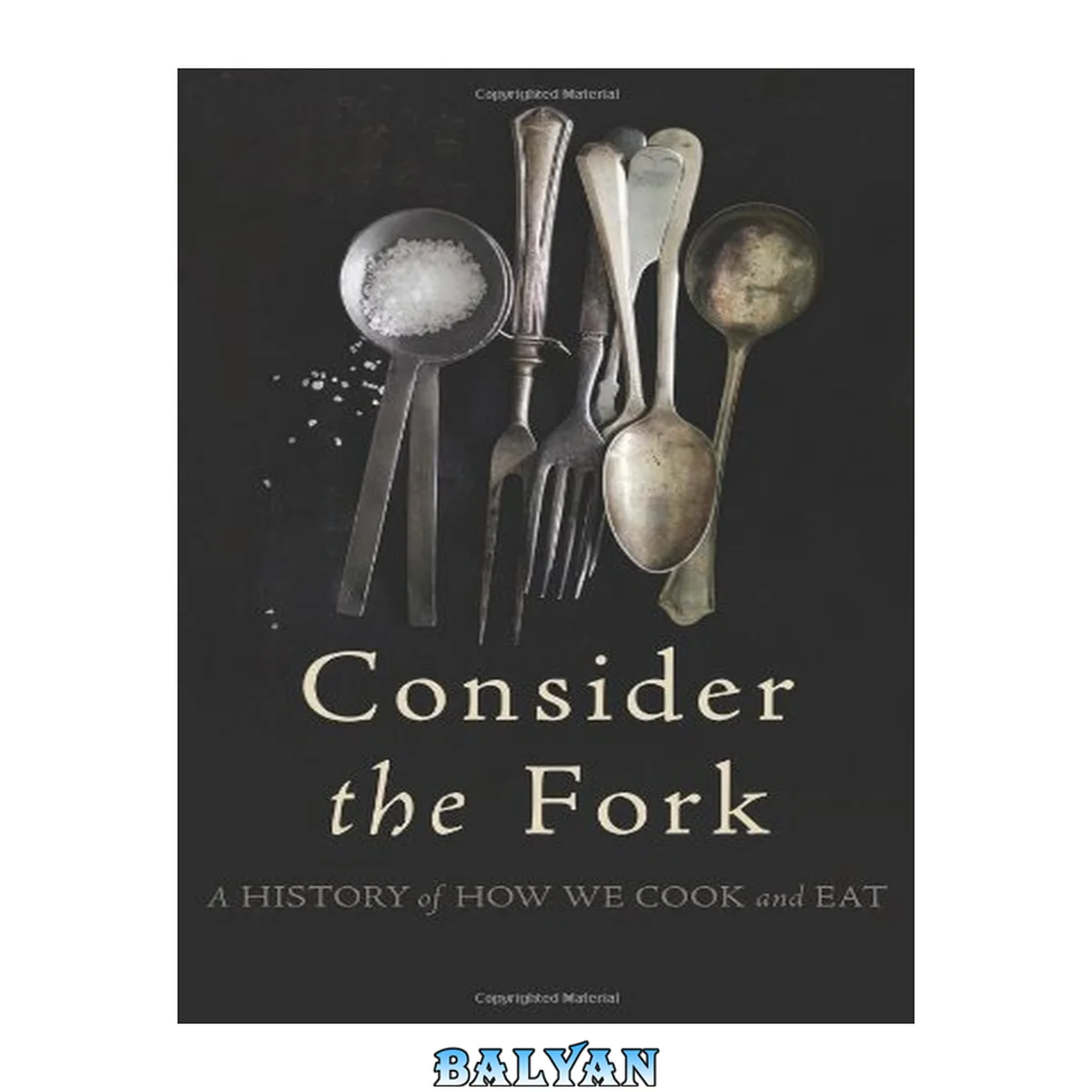
معرفی کتاب «Consider the Fork : A History of How We Cook and Eat» نوشتهٔ Bee Wilson و with illustrations by Annabel Lee، منتشرشده توسط نشر Basic Civitas Books در سال 2012. این کتاب در 352 صفحه، فرمت epub، زبان انگلیسی ارائه شده است. «Consider the Fork : A History of How We Cook and Eat» در دستهٔ تاریخ جهان قرار دارد.
در تاریخچهٔ پرشتاب آشپزی، کمتر کسی به داستانِ پنهانِ ابزارهای سادهای که هر روز از آنها استفاده میکنیم، توجه کرده است. کتاب «Consider the Fork» نوشتهٔ بی ویلسون، سفری جذاب و هوشمندانه به دلِ این تاریخ فراموششده است و نشان میدهد که چگونه فناوریِ اجاقها، چاقوها، قاشقها و حتی چنگالها، نهتنها بر طعم غذا، که بر کل تمدن بشری تأثیر گذاشتهاند. این مقاله، دریچهای است به دنیای شگفتانگیزی که در پشتِ هر آشپزخانهای نهفته است و به شما نشان میدهد چرا خواندن این کتابِ تحسینشده، خالی از لطف نیست.
دربارهٔ کتاب «Consider the Fork» —
«Consider the Fork» (به معنای «به چنگال بیندیشید») یک تاریخچهٔ غیرداستانی و درخشان از فناوریهای آشپزخانه است که از دوران پیش از تاریخ تا عصر مدرن را در بر میگیرد. بی ویلسون، نویسندهٔ برجستهٔ حوزهٔ غذا، در این کتاب نشان میدهد که ابزارهای پختوپز و غذا خوردن، بسیار فراتر از اشیایی کاربردی، بر نحوهٔ تفکر، فرهنگ و حتی فیزیک بدن ما تأثیر گذاشتهاند. او با نثری شیوا و طنزی ظریف، خواننده را به سفری جهانی میبرد و از آتشهای غولپیکر دوران تودور گرفته تا دستگاههای پیشرفتهی «سو-وید» (Sous-vide) امروزی را بررسی میکند. تمرکز کتاب بر ابزارهای روزمرهای چون چاقو، قاشق چوبی، تابه و چنگال است و نشان میدهد که هرکدام داستانی شگفتانگیز از نوآوری، مقاومت و پذیرش دارند. نکتهٔ برجستهٔ این کتاب، رویکرد چندوجهی نویسنده است. ویلسون با تلفیقی هنرمندانه از تاریخ، علم و انسانشناسی، به روایتِ چگونگی شکلگیری عادات و تکنیکهای آشپزی میپردازد. او به ما یادآوری میکند که فناوری، فقط به ماشینهای پیچیده خلاصه نمیشود، بلکه در سادهترین اشیای آشپزخانه نیز جاری است. برای نمونه، او تاریخچهٔ چنگال را روایت میکند که قرنها با تمسخر روبرو بود تا سرانجام به عضوی جداییناپذیر از سفرههای غربی تبدیل شد، یا به زحمات طاقتفرسای پیشخدمتانی اشاره میکند که تمام روز را برای چرخاندن سیخهای کباب سپری میکردند.دربارهٔ نویسنده
بی ویلسون (Bee Wilson) که نام کامل او بئاتریس دوروتی ویلسون است، نویسندهای بریتانیایی و یکی از برجستهترین چهرههای عرصهٔ نوشتار دربارهٔ غذا در جهان به شمار میرود. او مدرک دکترای خود را در رشتهٔ تاریخ از دانشگاه کمبریج دریافت کرده و پیش از روی آوردن به نویسندگیِ تماموقت، به عنوان پژوهشگر در کالج سنت جانِ کمبریج فعالیت میکرده است. ویلسون در کنار تألیف کتابهای پرفروشی چون «First Bite» و «The Way We Eat Now»، ستوننویس ثابت نشریات معتبری مانند والاستریت ژورنال و گاردین بوده و جوایز متعددی از جمله جایزهٔ خبرنگار سال انجمن نویسندگان غذا را سه بار از آن خود کرده است. علاقهٔ او به تاریخ و روانشناسیِ خوردن، در تمام آثارش از جمله کتاب حاضر به خوبی مشهود است.چرا باید «Consider the Fork» را بخوانید؟
خواندن این کتاب، دریچهای تازه به جهان پیرامون شما میگشاید و نگاهتان را به سادهترین اعمال روزمره تغییر میدهد. در ادامه به برخی از مهمترین دستاوردهای این سفر تاریخی اشاره میشود:- درک تأثیر فناوری بر فرهنگ غذایی: با مطالعهٔ این کتاب متوجه میشوید که چگونه اختراعاتی مانند یخچال، اجاقهای مدرن و حتی چاقوهای دندانهدار، نه تنها روش پختوپز، بلکه ذائقه، عادات اجتماعی و اقتصاد جهانی غذا را دگرگون کردهاند.
- کشف تاریخچهٔ پنهان ابزارهای روزمره: هر وسیلهای در آشپزخانهتان داستانی حماسی دارد. از مبارزهٔ اولیهٔ بشر با آتش و یخ تا پیدایش قاشقها، هاونها و دستگاههای پیشرفتهتر، کتاب نشان میدهد که هر ابزار حاصل قرنها آزمون و خطا و خلاقیت انسانی است.
- آشنایی با سیر تحول پختوپز از دل تاریخ: ویلسون با روایتهای جذاب از آشپزخانههای باستانی روم تا خانههای ویکتوریایی و رستورانهای مدرن، تصویر واضحی از تکامل روشهای پخت و مصرف غذا ارائه میدهد و شما را با مفاهیمی مانند آشپزی به روش «سو-وید» و تاریخچهٔ کنسرو آشنا میسازد.
- دریافتی تازه از زحمات گذشته: این کتاب به شما درک عمیقتری از زحماتی میدهد که زمانی برای تهیهٔ یک وعدهٔ غذا صرف میشد و باعث میشود تا امکانات امروزی آشپزخانه را با نگاهی تازه و قدردانانه ببینید.
- لذت خواندن یک اثر علمی با نثری ادبی: بی ویلسون با قلمی روان، شیرین و گاه طنزآمیز، اطلاعاتی عمیق و دقیق را چنان ماهرانه روایت میکند که مطالعهٔ کتاب برای هر علاقهمندی به خوراک و تاریخ، تجربهای لذتبخش و آموزنده است.
این کتاب برای چه کسانی مناسب است؟
«Consider the Fork» برای طیف گستردهای از خوانندگان جذاب خواهد بود؛ از علاقهمندان به تاریخ و فرهنگ غذایی گرفته تا آشپزهای حرفهای و خانگی که به دنبال درک عمیقتری از اصول و ابزار کار خود هستند. همچنین، این کتاب برای کسانی که به تاریخچهٔ فناوری و تأثیر آن بر زندگی روزمرهٔ انسان علاقه دارند، اثری بسیار غنی و روشنگر محسوب میشود. اگر از خواندن کتابهایی لذت میبرید که نگاهی نو و موشکافانه به پدیدههای به ظاهر پیشپاافتاده دارند، این اثر بیشک یکی از بهترین انتخابها برای شما خواهد بود.سوالات متداول
آیا کتاب صرفاً به تاریخچهٔ ابزارهای غربی میپردازد یا نگاهی جهانی دارد؟
خیر، ویلسون در این کتاب با رویکردی جهانی به موضوع نگاه کرده است. او به طور گسترده به ابزارهای سنتی در فرهنگهای مختلف مانند چاپاستیکهای شرق آسیا، و تفاوتهای فرهنگی در استفاده از چاقو و چنگال در غرب اشاره میکند و تطبیق این ابزارها را با نیازهای گوناگون بشری به تصویر میکشد.
آیا این کتاب صرفاً به ابزارهای پختوپز محدود میشود یا به غذا خوردن هم میپردازد؟
همانطور که از عنوان کتاب پیداست، کتاب هر دو جنبه را پوشش میدهد. بخشهایی از کتاب به ابزارهای پخت مانند قابلمهها و اجاقها اختصاص دارد و بخشهای دیگر به ابزارهای صرف غذا مانند چنگال، قاشق، چاقوی میز، و حتی آداب و رسوم مرتبط با آنها میپردازد.
آیا این کتاب یک اثر تاریخی تخصصی و دشوار است؟
با وجود اینکه کتاب بر اساس تحقیقاتی عمیق و دقیق نوشته شده، لحن و سبک نگارش آن بسیار صمیمی، جذاب و غیرتخصصی است. بی ویلسون با بهرهگیری از حکایتهای شخصی و مثالهای ملموس، مطالب تاریخی و علمی را به زبانی ساده و شیرین برای عموم مخاطبان قابل فهم کرده است.
Since prehistory, humans have braved sharp knives, fire, and grindstones to transform raw ingredients into something delicious-or at least edible. Tools shape what we eat, but they have also transformed how we consume, and how we think about, our food. Technology in the kitchen does not just mean the Pacojets and sous-vide of the modernist kitchen. It can also mean the humbler tools of everyday cooking and eating: a wooden spoon and a skillet, chopsticks and forks.
In Consider the Fork, award-winning food writer Bee Wilson provides a wonderful and witty tour of the evolution of cooking around the world, revealing the hidden history of everyday objects we often take for granted. Knives-perhaps our most important gastronomic tool-predate the discovery of fire, whereas the fork endured centuries of ridicule before gaining widespread acceptance; pots and pans have been around for millennia, while plates are a relatively recent invention. Many once-new technologies have become essential elements of any well-stocked kitchen-mortars and pestles, serrated knives, stainless steel pots, refrigerators. Others have proved only passing fancies, or were supplanted by better technologies; one would be hard pressed now to find a water-powered egg whisk, a magnet-operated spit roaster, a cider owl, or a turnspit dog. Although many tools have disappeared from the modern kitchen, they have left us with traditions, tastes, and even physical characteristics that we would never have possessed otherwise.
Blending history, science, and anthropology, Wilson reveals how our culinary tools and tricks came to be, and how their influence has shaped modern food culture. The story of how we have tamed fire and ice and wielded whisks, spoons, and graters, all for the sake of putting food in our mouths, Consider the Fork is truly a book to savor.
Since prehistory, humans have braved sharp knives, fire, and grindstones to transform raw ingredients into something delicious—or at least edible. Tools shape what we eat, but they have also transformed __how__ we consume, and how we think about, our food. Technology in the kitchen does not just mean the Pacojets and sous-vide of the modernist kitchen. It can also mean the humbler tools of everyday cooking and eating: a wooden spoon and a skillet, chopsticks and forks. In __Consider the Fork__, award-winning food writer Bee Wilson provides a wonderful and witty tour of the evolution of cooking around the world, revealing the hidden history of everyday objects we often take for granted. Knives—perhaps our most important gastronomic tool—predate the discovery of fire, whereas the fork endured centuries of ridicule before gaining widespread acceptance; pots and pans have been around for millennia, while plates are a relatively recent invention. Many once-new technologies have become essential elements of any well-stocked kitchen—mortars and pestles, serrated knives, stainless steel pots, refrigerators. Others have proved only passing fancies, or were supplanted by better technologies; one would be hard pressed now to find a water-powered egg whisk, a magnet-operated spit roaster, a cider owl, or a turnspit dog. Although many tools have disappeared from the modern kitchen, they have left us with traditions, tastes, and even physical characteristics that we would never have possessed otherwise. Blending history, science, and anthropology, Wilson reveals how our culinary tools and tricks came to be, and how their influence has shaped modern food culture. The story of how we have tamed fire and ice and wielded whisks, spoons, and graters, all for the sake of putting food in our mouths, __Consider the Fork__ is truly a book to savor. Award-winning food writer Bee Wilson's secret history of kitchens, showing how new technologies - from the fork to the microwave and beyond - have fundamentally shaped how and what we eat. Since prehistory, humans have braved sharp knives, fire, and grindstones to transform raw ingredients into something delicious — or at least edible. But these tools have also transformed how we consume, and how we think about, our food. In Consider the Fork , award-winning food writer Bee Wilson takes readers on a wonderful and witty tour of the evolution of cooking around the world, revealing the hidden history of objects we often take for granted. Technology in the kitchen does not just mean the Pacojets and sous-vide machines of the modern kitchen, but also the humbler tools of everyday cooking and eating: a wooden spoon and a skillet, chopsticks and forks. Blending history, science, and personal anecdotes, Wilson reveals how our culinary tools and tricks came to be and how their influence has shaped food culture today. The story of how we have tamed fire and ice and wielded whisks, spoons, and graters, all for the sake of putting food in our mouths, Consider the Fork is truly a book to savor. Since prehistory, humans have braved sharp knives, fire, and grindstones to transform raw ingredients into something delicious—or at least edible. Tools shape what we eat, but they have also transformed how we consume, and how we think about, our food. In Consider the Fork, award-winning food writer Bee Wilson provides a wonderful and witty tour of the evolution of cooking around the world, revealing the hidden history of everyday objects we often take for granted. Technology in the kitchen does not just mean the Pacojets and sous-vide of the modernist kitchen, but also the humbler tools of everyday cooking and eating: a wooden spoon and a skillet, chopsticks and forks. Blending history, science, and anthropology, Wilson reveals how our culinary tools and tricks came to be, and how their influence has shaped modern food culture. The story of how we have tamed fire and ice and wielded whisks, spoons, and graters, all for the sake of putting food in our mouths, Consider the Fork is truly a book to savor. Publisher This book offers a novel approach to food writing, presenting a history of eating habits and mores through the lens of the technologies we use to prepare, serve, and consume food. It tells the history of food through its tools across different eras and continents to present a fully rounded account of humans' evolving relationship to kitchen technology. From the birth of the fork in Italy as it discovered pasta, to culture wars over spoons in Restoration England, and tests for how to choose the perfect pan, this book examines the incredible creations that have shaped how and what we cook. Encompassing inventors, scientists, cooks and chefs, this is the previously unsung history of our kitchens "Wilson's book offers a novel approach to food writing, presenting a history of eating habits and mores through the lens of the technologies we use to prepare, serve, and consume food. This book tells the history of food through its tools across different eras and continents to present a fully rounded account of humans' evolving relationship to kitchen technology"-- Pots and pans : with rice cooker Knife : with mezzaluna Fire : with toaster Measure : with egg timer Grind : with nutmeg grater Eat : with tongs Ice : with moulds Kitchen : with coffee.