Conflict Without Casualties : A Field Guide for Leading with Compassionate Accountability
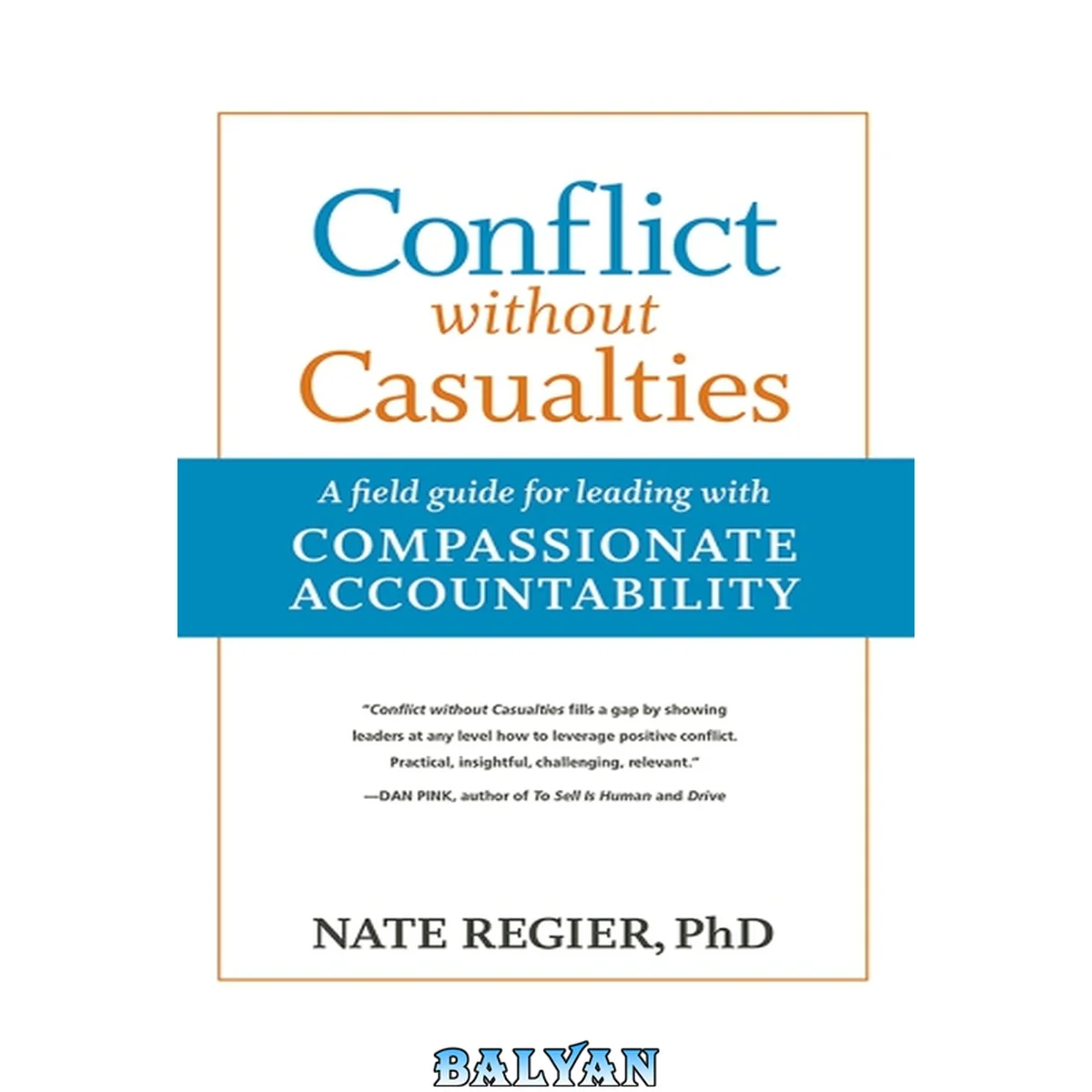
معرفی کتاب «Conflict Without Casualties : A Field Guide for Leading with Compassionate Accountability» نوشتهٔ Sanderson، Brandon و Nate Regier, Ph.D.، منتشرشده توسط نشر Berrett-Koehler Publishers در سال 2017. این کتاب در فرمت epub، زبان انگلیسی ارائه شده است.
When leaders learn how to manage the emotions and drama in their organizations, conflict can be made healthier. Nate Regier uses the Drama Triangle Model and the Compassion Cycle to show leaders how to exercise compassion, not passion, and turn the negative energy of conflict into a positive energy for increased productivity and growth. Conflict without Casualties fills a gap by showing leaders at any level how to leverage positive conflict. Practical, insightful, challenging, relevant. -Dan Pink, New York Times bestselling author Most organizations are terrified of conflict in the workplace, seeing it as a sign of trouble. But Nate Regier says conflict is really just a kind of energy and can be used in positive or negative ways. Handled incorrectly, conflict becomes drama, which is costly to companies, teams, and relationships at all levels. Avoiding, managing, or reducing conflict is a limited alternative. Instead, Regier explores the interpersonal dynamics that perpetuate drama in organizations through a concept called the Drama Triangle and offers an alternative: the Compassion Cycle. The Compassion Cycle allows leaders to balance compassion and accountability, transforming conflict into a growth experience that enables organizations to achieve significant gains in energy, productivity, engagement, and satisfaction in relationships. Provocative and illuminating, the concepts Regier shares will turn conflict from an experience to be avoided into a partner for positive change. Make Conflict Your Partner for Positive Change!
Clinical psychologist and transformative communication expert Dr. Nate Regier believes that the biggest energy crisis facing our world is the misuse of conflict. Most organizations are terrified of conflict, seeing it as a sign of trouble. But conflict isn't the problem, says Regier. It's all about how we use the energy.
When people misuse conflict energy, it becomes drama: they struggle against themselves or each other to feel justified about their negative behavior. The cost to companies, teams, and relationships is staggering. The alternative, says Regier, is compassionate accountability: struggling with others through conflict. Discover the Compassion Cycle, an elegant model for balancing empathy, care, and transparency with boundaries, goals, and standards. Provocative, illuminating, and highly practical, this book helps us avoid the casualties of conflict through openness, resourcefulness, and persistence.
Make Conflict Your Partner For Positive Change! Clinical Psychologist And Transformative Communication Expert Dr. Nate Regier Believes That The Biggest Energy Crisis Facing Our World Is The Misuse Of Conflict. Most Organizations Are Terrified Of Conflict, Seeing It As A Sign Of Trouble. But Conflict Isn't The Problem, Says Regier. It's All About How We Use The Energy. When People Misuse Conflict Energy, It Becomes Drama: They Struggle Against Themselves Or Each Other To Feel Justified About Their Negative Behavior. The Cost To Companies, Teams, And Relationships Is Staggering. The Alternative, Says Regier, Is Compassionate Accountability: Struggling With Others Through Conflict. Discover The Compassion Cycle, An Elegant Model For Balancing Empathy, Care, And Transparency With Boundaries, Goals, And Standards. Provocative, Illuminating, And Highly Practical, This Book Helps Us Avoid The Casualties Of Conflict Through Openness, Resourcefulness, And Persistence. Did you know that drama in the workplace could be devastating your audiences organizations? According to a Gallup Poll, negative conflict drains the U.S. economy by $350 BILLION a year in lost productivity and wasted energy. But conflict shouldnt be an energy drain. Instead, it should be an energy source, says Nate, co-founding owner and chief executive officer of Next Element, a global advisory firm specializing in building cultures of compassionate accountability. Nates book, Conflict without Casualties, out next year, turns the view of conflict on its head. According to the book, instead of trying to manage or minimize conflict, people need to use it as a source of energy that spurs innovation, trust, and increased engagement. Conflict without Casualties details how to do thatcomplete with access to a personal assessment and self-guided workbook. Provocative, illuminating, and highly practical, this book helps us avoid the casualties of conflict through openness, resourcefulness, and persistence. -- Résumé abrégé tiré de l'ouvrage Provocative, illuminating, and highly practical, this book helps us avoid the casualties of conflict through openness, resourcefulness, and persistence. -- Edited summary from book
دانلود کتاب Conflict Without Casualties : A Field Guide for Leading with Compassionate Accountability
Clinical psychologist and transformative communication expert Dr. Nate Regier believes that the biggest energy crisis facing our world is the misuse of conflict. Most organizations are terrified of conflict, seeing it as a sign of trouble. But conflict isn't the problem, says Regier. It's all about how we use the energy.
When people misuse conflict energy, it becomes drama: they struggle against themselves or each other to feel justified about their negative behavior. The cost to companies, teams, and relationships is staggering. The alternative, says Regier, is compassionate accountability: struggling with others through conflict. Discover the Compassion Cycle, an elegant model for balancing empathy, care, and transparency with boundaries, goals, and standards. Provocative, illuminating, and highly practical, this book helps us avoid the casualties of conflict through openness, resourcefulness, and persistence.
Make Conflict Your Partner For Positive Change! Clinical Psychologist And Transformative Communication Expert Dr. Nate Regier Believes That The Biggest Energy Crisis Facing Our World Is The Misuse Of Conflict. Most Organizations Are Terrified Of Conflict, Seeing It As A Sign Of Trouble. But Conflict Isn't The Problem, Says Regier. It's All About How We Use The Energy. When People Misuse Conflict Energy, It Becomes Drama: They Struggle Against Themselves Or Each Other To Feel Justified About Their Negative Behavior. The Cost To Companies, Teams, And Relationships Is Staggering. The Alternative, Says Regier, Is Compassionate Accountability: Struggling With Others Through Conflict. Discover The Compassion Cycle, An Elegant Model For Balancing Empathy, Care, And Transparency With Boundaries, Goals, And Standards. Provocative, Illuminating, And Highly Practical, This Book Helps Us Avoid The Casualties Of Conflict Through Openness, Resourcefulness, And Persistence. Did you know that drama in the workplace could be devastating your audiences organizations? According to a Gallup Poll, negative conflict drains the U.S. economy by $350 BILLION a year in lost productivity and wasted energy. But conflict shouldnt be an energy drain. Instead, it should be an energy source, says Nate, co-founding owner and chief executive officer of Next Element, a global advisory firm specializing in building cultures of compassionate accountability. Nates book, Conflict without Casualties, out next year, turns the view of conflict on its head. According to the book, instead of trying to manage or minimize conflict, people need to use it as a source of energy that spurs innovation, trust, and increased engagement. Conflict without Casualties details how to do thatcomplete with access to a personal assessment and self-guided workbook. Provocative, illuminating, and highly practical, this book helps us avoid the casualties of conflict through openness, resourcefulness, and persistence. -- Résumé abrégé tiré de l'ouvrage Provocative, illuminating, and highly practical, this book helps us avoid the casualties of conflict through openness, resourcefulness, and persistence. -- Edited summary from book