راهنمای بالینی داروشناسی کودک و نوجوان / رابرت ال. فایندلینگ
Clinical Manual of Child and Adolescent Psychopharmacology/Robert L. Findling
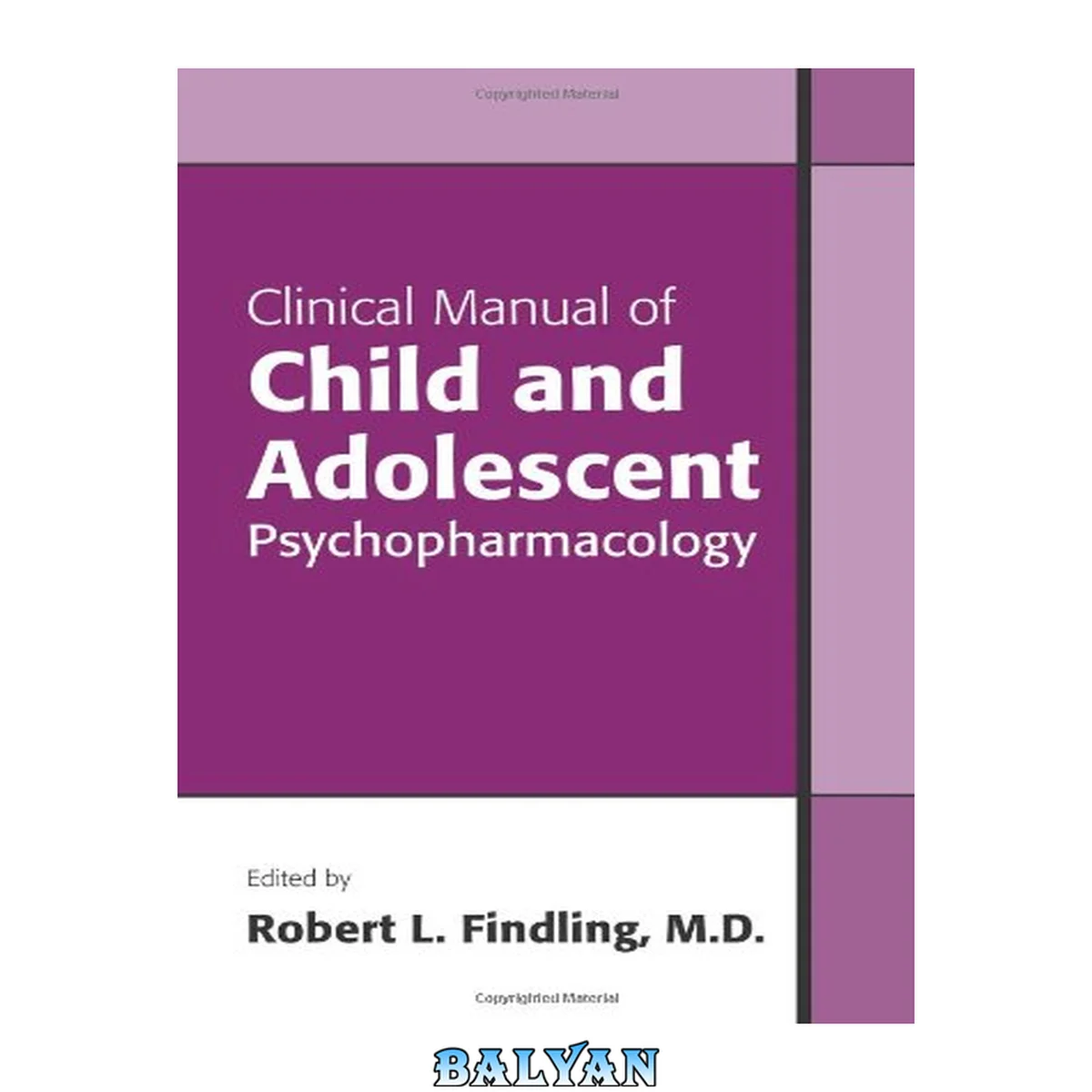
معرفی کتاب «راهنمای بالینی داروشناسی کودک و نوجوان / رابرت ال. فایندلینگ» (با عنوان لاتین Clinical Manual of Child and Adolescent Psychopharmacology/Robert L. Findling) نوشتهٔ Edited by Robert L. Findling, M.D، منتشرشده توسط نشر American Psychiatric Association Publishing در سال 2007. این کتاب در فرمت pdf، زبان انگلیسی ارائه شده است.
Clinical Manual of Child and Adolescent Psychopharmacology is a succinct and practical guide, written by expert authorities with both clinical and research expertise, containing a wealth of both evidence-based and scientifically sound information. It enables practitioners to more effectively address commonly-seen disorders such as attention-deficit/hyperactivity disorder (ADHD), gain new insight into high-profile problems like juvenile suicide, and become better informed regarding conditions, such as anxiety disorders, that frequently go undiagnosed and untreated only to result in life-long impairments.
The text first reviews developmental aspects of pediatric psychopharmacology, explaining why children and adolescents don't always respond to psychopharmacological treatment the same way as adults, and exploring issues pertaining to the safety and efficacy of treatment. It also addresses specific chapters covering problems that practitioners find most vexing, from ADHD to pediatric major depressive disorder to juvenile-onset schizophrenia. It also discusses pharmacotherapy for youths who are primarily seen in general medical settings, covering such conditions as functional somatic syndromes and somatoform disorders, eating disorders, sleep disorders, elimination disorders, and delirium. Among the book's key features:
• Reviews the use of both stimulant and nonstimulant agents for attention-deficit/hyperactivity disorder, considering key aspects regarding the implementation and monitoring of patients.
• Provides recommendations regarding pharmacological approaches to disruptive behavior disorders (DBDs), stressing an understanding of aggression across the DBD spectrum.
• Considers potential benefits and risks of medications for anxiety disorders and assesses drug treatments within the context of psychotherapeutic interventions.
• Covers the pharmacotherapy of bipolar disorders, focusing on both drug monotherapy trials and combination pharmacotherapeutic approaches.
• Explores the use of atypical antipsychotics and selective serotonin reuptake inhibitors and other antidepressants for autism and other pervasive developmental disorders, with practical management approaches to these particularly vulnerable patients.
• Outlines the diagnosis and treatment of tic disorders-including Tourette's syndrome-as well as the assessment of comorbid ADHD.
Throughout the text, the contributors provide commentary regarding the clinical interpretability of existing literature to better enable clinicians to incorporate research results into their practice. Both scientifically sound and clinically rich, this manual is a boon to busy practitioners as well as an excellent resource for introductory courses in pediatric psychopharmacology.
Doody Review Services
Reviewer:Arshdeep S. Jawandha, MBBS(Rush University Medical Center)
Description:As the name implies, this book contains clinically usable information pertaining to child and adolescent psychopharmacology. The book is organized in chapters by DSM-IV diagnostic categories, providing an easy clinical frame of reference and tool for memory retention.
Purpose:It is intended as an interpretive commentary on the available literature to make the scientific literature easily accessible.
Audience:Although the editor identifies practicing clinicians wishing to provide state-of-the art care to patients as the target audience, this also is an excellent resource for residents and fellows.
Features:A particularly useful chapter on pharmacokinetics succinctly captures the difference between adolescents and adults in an eye-catching table. Each chapter first discusses DSM-IV-TR diagnostic classification, briefly pointing out the epidemiology, debates, and controversies about the topic and then plunges into the medications used for that particular diagnostic category. As an example, in the ADHD chapter, the authors provide information about individual stimulant medications and each medication is further organized under subheadings of kinetics, dynamics, mode of action, dosage, administration, efficacy in clinical trials, adverse effects and interactions. A wide range of topics is covered under main headings, for example, treatment of depression covers interventions in the seasonal pattern to the treatment of refractory depression. The treatment recommendations include specific suggestions about topics where data is not as rich, such as oppositional defiant disorder. The strength of this book is the addition of an easy to read and easy to retain clinical pearls section at the end of each chapter that contains a summary of information of highest clinical value. Even though the references are provided within the chapters, the comprehensive reference list at the end of each chapter is a good aid for those who want to delve deeper into particular topics. The index is well developed and easily to use. Not covered is the topic of substance abuse and, even though drug interactions are covered under individual drugs, inclusion of a table on drug interactions would have provided another good reference tool.
Assessment:This is a strong standalone textbook for child psychiatry fellows. It fills a much needed gap in the literature for a comprehensive yet manageable pocket-sized information source on this topic. It contains empirically based and timely information that is scientifically sound. The contributors are from reputable academic institutions and have done respected work in their areas of interest.