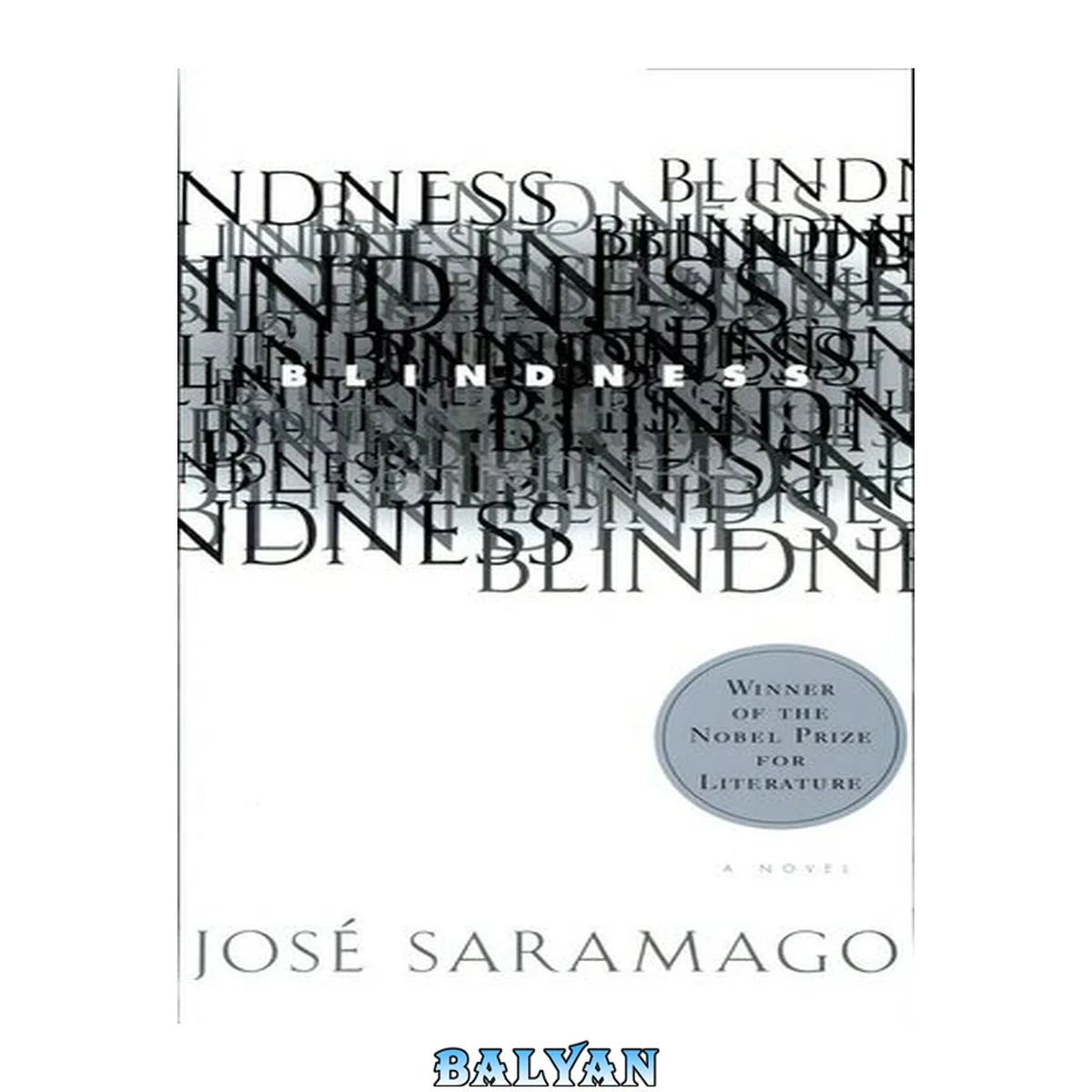
معرفی کتاب «Blindness (Harvest Book)» نوشتهٔ José Saramago، Joseph Heagney و Thomas Nelson، منتشرشده توسط نشر A Harvest Book در سال 1995. این کتاب در 326 صفحه، فرمت epub، زبان انگلیسی ارائه شده است.
{ August 2021 - Verified ebook for complete book description, cover, table of contents, separation of book (front/ back matter, parts, and chapters), and epub format error checking. } Paperback, 326 pages Published 1995 Translated from the Portuguese by: Giovanni Pontiero Original Title: Ensaio sobre a cegueira A stunningly powerful novel of humanity's will to survive against all odds during an epidemic by a winner of the Nobel Prize for Literature. A city is hit by an epidemic of "white blindness" which spares no one. Authorities confine the blind to an empty mental hospital, but there the criminal element holds everyone captive, stealing food rations and raping women. There is one eyewitness to this nightmare who guides seven strangers—among them a boy with no mother, a girl with dark glasses, a dog of tears—through the barren streets, and the procession becomes as uncanny as the surroundings are harrowing. A magnificent parable of loss and disorientation, Blindness has swept the reading public with its powerful portrayal of our worst appetites and weaknesses—and humanity's ultimately exhilarating spirit. "This is a an important book, one that is unafraid to face all of the horror of the century."—Washington Post "This is a shattering work by a literary master.”—Boston Globe A New York Times Notable Book of the Year A Los Angeles Times Best Book of the Year In an unnamed city in an unnamed country, a man sitting in his car waiting for a traffic light to change is suddenly struck blind. But instead of being plunged into darkness, this man sees everything white, as if he "were caught in a mist or had fallen into a milky sea." A Good Samaritan offers to drive him home (and later steals his car); his wife takes him by taxi to a nearby eye clinic where they are ushered past other patients into the doctor's office. Within a day the man's wife, the taxi driver, the doctor and his patients, and the car thief have all succumbed to blindness. As the epidemic spreads, the government panics and begins quarantining victims in an abandoned mental asylum--guarded by soldiers with orders to shoot anyone who tries to escape. So begins Portuguese author José Saramago's gripping story of humanity under siege, written with a dearth of paragraphs, limited punctuation, and embedded dialogue minus either quotation marks or attribution. At first this may seem challenging, but the style actually contributes to the narrative's building tension, and to the reader's involvement. ?In this community of blind people there is still one set of functioning eyes: the doctor's wife has affected blindness in order to accompany her husband to the asylum. As the number of victims grows and the asylum becomes overcrowded, systems begin to break down: toilets back up, food deliveries become sporadic; there is no medical treatment for the sick and no proper way to bury the dead. Inevitably, social conventions begin to crumble as well, with one group of blind inmates taking control of the dwindling food supply and using it to exploit the others. Through it all, the doctor's wife does her best to protect her little band of blind charges, eventually leading them out of the hospital and back into the horribly changed landscape of the city. ??Blindness is in many ways a horrific novel, detailing as it does the total breakdown in society that follows upon this most unnatural disaster. Saramago takes his characters to the very edge of humanity and then pushes them over the precipice. His people learn to live in inexpressible filth, they commit acts of both unspeakable violence and amazing generosity that would have been unimaginable to them before the tragedy. The very structure of society itself alters to suit the circumstances as once-civilized, urban dwellers become ragged nomads traveling by touch from building to building in search of food. The devil is in the details, and Saramago has imagined for us in all its devastation a hell where those who went blind in the streets can never find their homes again, where people are reduced to eating chickens raw and packs of dogs roam the excrement-covered sidewalks scavenging from corpses. ??And yet in the midst of all this horror Saramago has written passages of unsurpassed beauty. Upon being told she is beautiful by three of her charges, women who have never seen her, "the doctor's wife is reduced to tears because of a personal pronoun, an adverb, a verb, an adjective, mere grammatical categories, mere labels, just like the two women, the others, indefinite pronouns, they too are crying, they embrace the woman of the whole sentence, three graces beneath the falling rain." In this one woman Saramago has created an enduring, fully developed character who serves both as the eyes and ears of the reader and as the conscience of the race. And in Blindness he has written a profound, ultimately transcendent meditation on what it means to be human A city is struck by an epidemic of "white blindness." The first man to succumb sits in his car, waiting for the light to change. He is taken to an eye doctor, who does not know what to make of the phenomenon - and soon goes blind himself. The blindness spreads, sparing no one. Authorities confine the blind to a vacant mental hospital secured by armed guards under instructions to shoot anyone trying to escape. Inside, the criminal element among the blind holds the rest captive: food rations are stolen, women are raped. The compound is set ablaze, and the blind escape into what is now a deserted city, strewn with litter and unburied corpses. The only eyewitness to this nightmare is the doctor's wife, who faked blindness in order to join her husband in the camp. She guides seven strangers through the barren streets. The bonds within this oddly anonymous group - the doctor, the first blind man and his wife, the old man with the black eye patch, the girl with dark glasses, the boy with no mother, and the dog of tears - are as uncanny as the surrounding chaos is harrowing. Told with compassion, humor, and lyricism, Blindness is a stunning exploration of loss and disorientation in the modern world, of man's will to survive against all odds.
the Stunningly Powerful Novel Of Man S Will To Survive Against All Odds, By The Winner Of The 1998 Nobel Prize For Literature.
a City Is Hit By An Epidemic Of White Blindness Which Spares No One. Authorities Confine The Blind To An Empty Mental Hospital, But There The Criminal Element Holds Everyone Captive, Stealing Food Rations And Raping Women. There Is One Eyewitness To This Nightmare Who Guides Seven Strangers-among Them A Boy With No Mother, A Girl With Dark Glasses, A Dog Of Tears-through The Barren Streets, And The Procession Becomes As Uncanny As The Surroundings Are Harrowing. A Magnificent Parable Of Loss And Disorientation And A Vivid Evocation Of The Horrors Of The Twentieth Century, Blindness Has Swept The Reading Public With Its Powerful Portrayal Of Man's Worst Appetites And Weaknesses-and Man's Ultimately Exhilarating Spirit. The Stunningly Powerful Novel Of Man's Will To Survive Against All Odds, By The Winner Of The 1998 Nobel Prize For Literature.
james Wood
. . .[t]he Story. . .lives In The Spread Of Its Particulars, And In The Conviction Of Its Allegory. . . .we Are All . ..confirming Ourselves By Closing Our Eyes And Thinking Of Each Other. —the New Republic
A stunningly powerful novel of humanity's will to survive against all odds during an epidemic by a winner of the Nobel Prize for Literature. An International Bestseller • "This is a shattering work by a literary master.”—Boston Globe A city is hit by an epidemic of "white blindness" which spares no one. Authorities confine the blind to an empty mental hospital, but there the criminal element holds everyone captive, stealing food rations and raping women. There is one eyewitness to this nightmare who guides seven strangers—among them a boy with no mother, a girl with dark glasses, a dog of tears—through the barren streets, and the procession becomes as uncanny as the surroundings are harrowing. A magnificent parable of loss and disorientation, Blindness has swept the reading public with its powerful portrayal of our worst appetites and weaknesses—and humanity's ultimately exhilarating spirit. "This is a an important book, one that is unafraid to face all of the horror of the century."—Washington Post A New York Times Notable Book of the Year A Los Angeles Times Best Book of the Year Uma cegueira branca se espalha de forma fulminante. Internados em quarentena ou perdidos pela cidade, os cegos devem enfrentar o que há de mais primitivo na espécie humana: a vontade de sobreviver à qualquer custo. José Saramago, vencedor do Prêmio Nobel de Literatura de 1998, tece uma aterrorizante parábola sobre o ser humano, que revela o que há de pior em nós mesmos. An epidemic of blindness strikes a city and the result is chaos, the government issuing shoot-to-kill orders. Much of the action is seen through the eyes of a woman who claims to be blind so she won't be separated from her husband. A look at how people behave under stress. By the author of The History of the Siege of Lisbon