Bite: An Incisive History of Teeth, from Hagfish to Humans
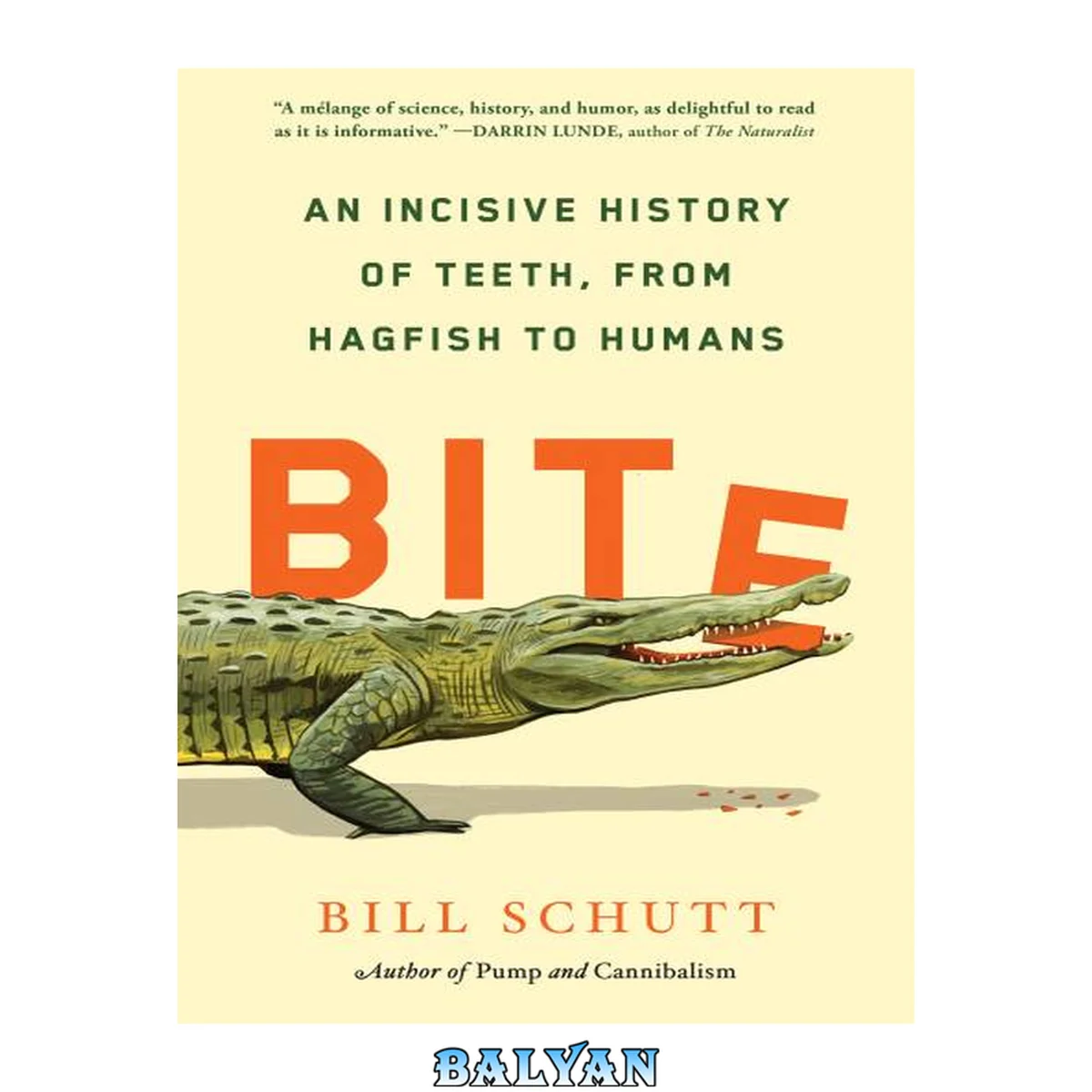
معرفی کتاب «Bite: An Incisive History of Teeth, from Hagfish to Humans» نوشتهٔ Jayaram، Prashanth، Gupta، Rajendra، Rajendra Gupta و Bill Schutt، منتشرشده توسط نشر Algonquin Books of Chapel Hill در سال 2024. این کتاب در فرمت epub، زبان انگلیسی ارائه شده است.
From three-inch fang blennies to thirty-foot prehistoric crocodiles, from gaboon vipers to Neanderthals, Bite is a fascinating journey through the natural, scientific, and cultural history of something right in front of—or in—our faces: teeth. In Bite , zoologist Bill Schutt makes a surprising case: it is teeth that are responsible for the long-term success of vertebrates. The appearance of teeth, roughly half a billion years ago, was an adaptation that allowed animals with backbones, such as fish, amphibians, reptiles, birds, dinosaurs and mammals—including us—to chow down in pretty much every conceivable environment. And it’s not just food. Tusks and fangs have played crucial roles as defensive weapons—glimpsing the upper canines of snarling dogs is all it takes to know that teeth are an efficient means of aggression. Vampire bats use their razor-sharp teeth to obtain a widespread but generally untappable resource: blood. Early humans employed their teeth as tools to soften tough fibers and animal hides. Our teeth project information and social status—the ancient Etruscans were the first to wear tooth bling, and it’s doubtful that George Washington would have been elected president without the false teeth he wore. So much of what we know about life on this planet has come from the study of fossilized teeth, which have provided information not only about evolution but also about famine, war, and disease. In his signature witty style, the author of Pump and Cannibalism shows us how our continued understanding of teeth may help us humans through current and future crises, from Alzheimer’s disease to mental health issues. Bite is popular science at its best and will appeal to readers of Mary Roach, Merlin Sheldrake, and Ed Yong. In Bite, Bill Schutt makes a surprising It is teeth that are responsible for the long-term success of vertebrates, those creatures who have a backbone, including fish, amphibians, reptiles, birds, dinosaurs, mammalsand us. An evolutionary zoologist at the American Museum of Natural History, Schutt knows a thing or two about evolution and he tells this tale of teeth and their importance with his usual combination of hard science, fascinating trivia, and his signature witty delivery. The appearance of teeth, roughly half a billion years ago, was an adaptation that allowed myriad forms of vertebrates to chow down in pretty much every conceivable environmentfrom sun-torched deserts to rainforests teeming with thousands of species of animals and plants. From an evolutionary standpoint, species with teeth could eat things that potential competitors couldn't. For example, Neanderthals and early modern humans used their teeth as tools, to soften tough fibers and animal hides, and vampire bats use their razor-sharp teeth to feed on a widespread but generally untappable blood. And it's not just foodor blood. Teeth, which include tusks and fangs, playedand still playa crucial role as defensive weapons. Glimpsing the upper canines of snarling dogs or baboons is all it takes to know that teeth are an efficient means of expressing strength, dominance, and aggression, while human teeth projectinformation about social status and moral character. Its doubtful, for instance, that George Washington would have been elected if he didnt have false teeth. Bite is popular science at its best, filled not just with fun facts, but also with vital and illuminating context. As Schutt explains, so much of what we know about evolution on this planet has come from the study of fossilized teeth, which have provided information not only about ancient diets and health but, famine, war, disease, and starvationwhich in turn might help us through current and future crises, from Alzheimer's disease to mental health issues.
دانلود کتاب Bite: An Incisive History of Teeth, from Hagfish to Humans