پرندهٔ بهشت: چگونه لاتینتبار شدم: یک خاطره
Bird of Paradise: How I Became Latina: A Memoir
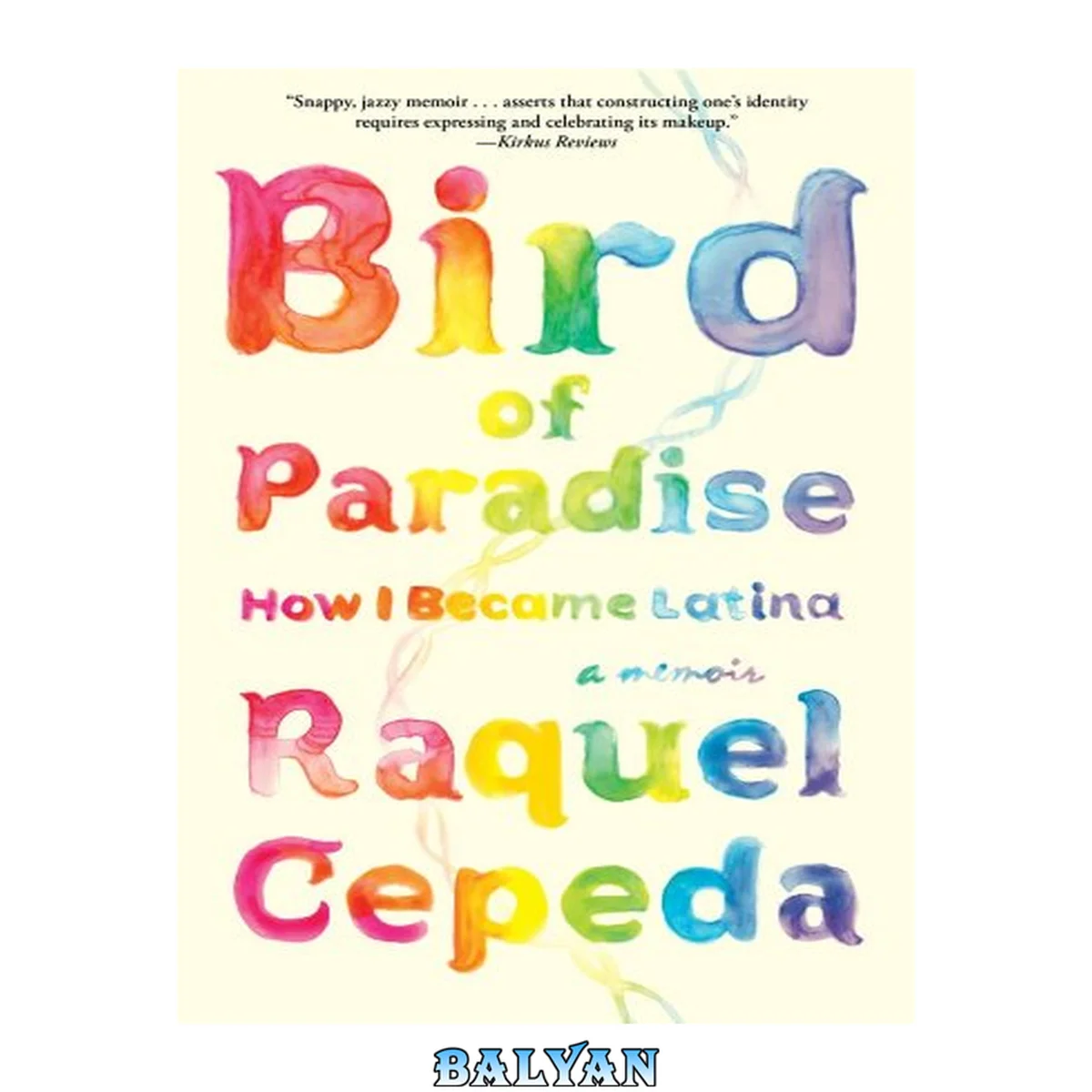
معرفی کتاب «پرندهٔ بهشت: چگونه لاتینتبار شدم: یک خاطره» (با عنوان لاتین Bird of Paradise: How I Became Latina: A Memoir) نوشتهٔ Cepeda, Raquel، منتشرشده توسط نشر Atria Books در سال 2013. این کتاب در فرمت epub، زبان انگلیسی ارائه شده است.
**In 2009, when Raquel Cepeda almost lost her estranged father to heart disease, she was terrified she’d never know the truth about her ancestry. Every time she looked in the mirror, Cepeda saw a mystery—a tapestry of races and ethnicities that came together in an ambiguous mix. With time running out, she decided to embark on an archaeological dig of sorts by using the science of ancestral DNA testing to excavate everything she could about her genetic history.** Digging through memories long buried, she embarks upon a journey not only into her ancestry but also into her own history. Born in Harlem to Dominican parents, she was sent to live with her maternal grandparents in the Paraíso (Paradise) district in Santo Domingo while still a baby. It proved to be an idyllic reprieve in her otherwise fraught childhood. Paraíso came to mean family, home, belonging. When Cepeda returned to the US, she discovered her family constellation had changed. Her mother had a new, abusive boyfriend, who relocated the family to San Francisco. When that relationship fell apart, Cepeda found herself back in New York City with her father and European stepmother: attending tennis lessons and Catholic schools; fighting vicious battles wih her father, who discouraged her from expressing the Dominican part of her hyphenated identity; and immersed in the ’80s hip-hop culture of uptown Manhattan. It was in these streets, through the prism of hip-hop and the sometimes loving embrace of her community, that Cepeda constructed her own identity. Years later, when Cepeda had become a successful journalist and documentary filmmaker, the strands of her DNA would take her further, across the globe and into history. Who were her ancestors? How did they—and she—become Latina? Her journey, as the most unforgettable ones often do, would lead her to places she hadn’t expected to go. With a vibrant lyrical prose and fierce honesty, Cepeda parses concepts of race, identity, and ancestral DNA among Latinos by using her own Dominican-American story as one example, and in the process arrives at some sort of peace with her father. In 2009, when Raquel Cepeda almost lost her estranged father to heart disease, she was terrified she'd never know the truth about her ancestry. Every time she looked in the mirror, Cepeda saw a mystery'a tapestry of races and ethnicities that came together in an ambiguous mix. With time running out, she decided to embark on an archaeological dig of sorts by using the science of ancestral DNA testing to excavate everything she could about her genetic history. Digging through memories long buried, she embarks upon a journey not only into her ancestry but also into her own history. Born in Harlem to Dominican parents, she was sent to live with her maternal grandparents in the ParaIso (Paradise) district in Santo Domingo while still a baby. It proved to be an idyllic reprieve in her otherwise fraught childhood. ParaIso came to mean family, home, belonging. When Cepeda returned to the US, she discovered her family constellation had changed. Her mother had a new, abusive boyfriend, who relocated the family to San Francisco. When that relationship fell apart, Cepeda found herself back in New York City with her father and European stepmother: attending tennis lessons and Catholic schools; fighting vicious battles wih her father, who discouraged her from expressing the Dominican part of her hyphenated identity; and immersed in the '80s hip-hop culture of uptown Manhattan. It was in these streets, through the prism of hip-hop and the sometimes loving embrace of her community, that Cepeda constructed her own identity. Years later, when Cepeda had become a successful journalist and documentary filmmaker, the strands of her DNA would take her further, across the globe and into history. Who were her ancestors' How did they'and she'become Latina' Her journey, as the most unforgettable ones often do, would lead her to places she hadn't expected to go. With a vibrant lyrical prose and fierce honesty, Cepeda parses concepts of race, identity, and ancestral DNA among Latinos by using her own Dominican-American story as one example, and in the process arrives at some sort of peace with her father In 2009, Raquel Cepeda embarked on an exploration of her genealogy using ancestral DNA testing to uncover the truth about her family and the tapestry of races and ethnicities that came together in an ambiguous mix in her features, resulting in "a beautiful story of reconciliation and redemption" ( Huffington Post ) with her identity and what it means to be Latina. Digging through memories long buried, Cepeda journeyed not only into her ancestry but also into her own history. Born in Harlem to Dominican parents, she was sent to live with her maternal grandparents in the Paraíso (Paradise) district in Santo Domingo while still a baby. It proved to be an idyllic reprieve in her otherwise fraught childhood. Paraíso came to mean family, home, belonging. When Cepeda returned to the US, she discovered her family constellation had changed. Her mother had a new, abusive boyfriend, who relocated the family to San Francisco. When that relationship fell apart, Cepeda found herself back in New York City with her father and European stepmother: attending tennis lessons and Catholic schools; fighting vicious battles with her father, who discouraged her from expressing the Dominican part of her hyphenated identity; and immersed in the '80s hip-hop culture of uptown Manhattan. It was in these streets, through the prism of hip-hop and the sometimes loving embrace of her community, that Cepeda constructed her own identity. Years later, when Cepeda had become a successful journalist and documentary filmmaker, the strands of her DNA would take her further, across the globe and into history. Who were her ancestors? How did they—and she—become Latina? Her journey, as the most unforgettable ones often do, would lead her to places she hadn't expected to go. With a vibrant lyrical prose and fierce honesty, Cepeda parses concepts of race, identity, and ancestral DNA among Latinos by using her own Dominican-American story as one example, and in the process arrives at some sort of peace with her father. Overview: In 2009, when Raquel Cepeda almost lost her estranged father to heart disease, she feared she'd never know the truth about her ancestry. Every time she looked in the mirror, Cepeda saw a mystery. With time running out, she decided to use the science of ancestral DNA testing to excavate everything she could about her genetic history. Bird of Paradise is the story of that remarkable quest to uncover the truth about her ancestors, as well as herself. Born in Harlem to Dominican parents, Cepeda was sent to live with her maternal grandparents in the Paraíso (Paradise) district in Santo Domingo while still a baby. Paraíso came to mean family, home, and belonging to her, but when Cepeda returned to the US, she discovered her family constellation had changed. Her mother had a new, abusive boyfriend, who relocated the family to San Francisco. When that relationship fell apart, Cepeda found herself back in New York City with her father and European stepmother; fighting vicious battles with her father, who discouraged her from expressing her Dominican heritage; and immersed in the '80s hip-hop culture of uptown Manhattan. It was in these streets that Cepeda constructed her own identity. And as she grew into the successful journalist and documentary filmmaker she is today, she pushed the questions of identity even further-Who were her ancestors? How did they-and she-become Latina? With vibrant lyrical prose and fierce honesty, Cepeda has written "a beautiful story of reconciliation and redemption" (Huffington Post). It is an exploration into the science of DNA, the history of Latinos in America, and the concept of race, using her own journey of self-discovery-and eventually peace with her father-as a shining example Overview: In 2009, when Raquel Cepeda almost lost her estranged father to heart disease, she feared she'd never know the truth about her ancestry. Every time she looked in the mirror, Cepeda saw a mystery. With time running out, she decided to use the science of ancestral DNA testing to excavate everything she could about her genetic history. Bird of Paradise is the story of that remarkable quest to uncover the truth about her ancestors, as well as herself. Born in Harlem to Dominican parents, Cepeda was sent to live with her maternal grandparents in the Paraiso (Paradise) district in Santo Domingo while still a baby. Paraiso came to mean family, home, and belonging to her, but when Cepeda returned to the US, she discovered her family constellation had changed. Her mother had a new, abusive boyfriend, who relocated the family to San Francisco. When that relationship fell apart, Cepeda found herself back in New York City with her father and European stepmother; fighting vicious battles with her father, who discouraged her from expressing her Dominican heritage; and immersed in the '80s hip-hop culture of uptown Manhattan. It was in these streets that Cepeda constructed her own identity. And as she grew into the successful journalist and documentary filmmaker she is today, she pushed the questions of identity even further-Who were her ancestors? How did they-and she-become Latina? With vibrant lyrical prose and fierce honesty, Cepeda has written "a beautiful story of reconciliation and redemption" (Huffington Post). It is an exploration into the science of DNA, the history of Latinos in America, and the concept of race, using her own journey of self-discovery-and eventually peace with her father-as a shining example An Award-winning Journalist And Documentary Filmmaker Chronicles Her Personal Year-long Journey To Discover The Truth About Her Ancestry Through Dna Testing, Sharing Her Findings As Well As Her Insights Into Controversies Surrounding Modern Latino Identity. Author's Note -- Preface -- Part 1: -- 1: Love, American-style -- 2: Mean Streets -- 3: Journey Into The Heart Of Darkness -- 4: Uptown '81 -- 5: Awakening -- 6: Jesus Christ And The Freakazoid -- 7: Ave Maria, Morena -- 8: God Bodies And Indios -- 9: There's No Other Place -- 10: Whitewash -- Part 2: -- 11: Truth, Reconciliation, And Time Machines -- 12: Things Come Together -- 13: Tripping In Morocco -- 14: Running The Fuku Down -- 15: Flash Of The Spirit -- 16: She Who Walks Behind Me -- 17: Paradise Gone -- 18: Becoming Latina -- Postscript -- Acknowledgments -- Ancestral Dna Testing: Now It's Your Turn -- Frequently Asked Questions -- Dna Test Kit Instructions -- Selected Sources And Further Reading -- Index -- Family Tree Dna Disount Coupon. Raquel Cepeda. Includes Bibliographical References And Index.
دانلود کتاب پرندهٔ بهشت: چگونه لاتینتبار شدم: یک خاطره