زیستشناسی و بومشناسی نرمتنان دوکفهای خوراکی (زیستشناسی و بومشناسی زندگی دریایی)
Biology and Ecology of Edible Marine Bivalve Molluscs (Biology and Ecology of Marine Life)
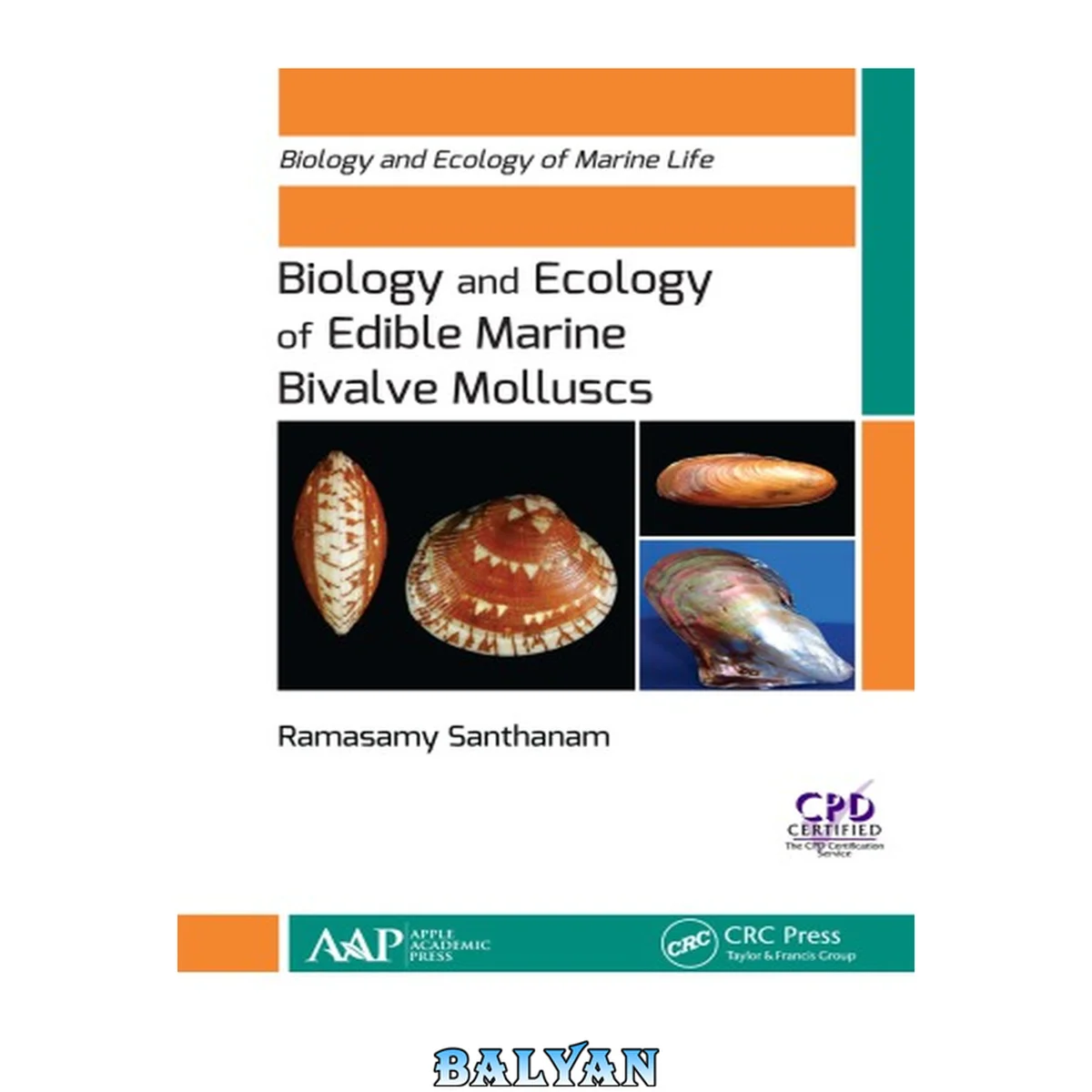
معرفی کتاب «زیستشناسی و بومشناسی نرمتنان دوکفهای خوراکی (زیستشناسی و بومشناسی زندگی دریایی)» (با عنوان لاتین Biology and Ecology of Edible Marine Bivalve Molluscs (Biology and Ecology of Marine Life)) نوشتهٔ Ramasamy Santhanam، منتشرشده توسط نشر Apple Academic Press در سال 2018. این کتاب در فرمت pdf، زبان انگلیسی ارائه شده است.
This comprehensive volume focuses exclusively on sea snails (or gastropods), which are popular food items and occupy an important role in the commercial shell craft industry. Familiar examples include conchs (highly sought after due to their mild flavor) and escargot, abalone, and periwinkle snails. This book covers the profile (habitat, distribution, morphology, food and feeding, reproduction, conservation status, etc.) of about 180 species of commercial edible marine gastropod molluscs as well as their nutritional values, commercial importance, and pharmaceutical value. Also included is information on their prevalent diseases and parasites. The informative descriptions are presented in an easy-to-read style with neat illustrations. "Biology and Ecology of Edible Marine Bivalve Molluscs provides a plethora of first-hand information on the diversity, biology, and ecology of edible marine bivalve mollusks. Marine bivalve molluscs play important roles in the marine ecosystems by filtering the water and serving as habitat and prey for a variety of sea life. Furthermore, by pumping large quantities of water through their bodies, they serve as good bio-indicators to monitor the health of the surrounding environment. This diverse group of species, estimated at about 9,200, inhabits virtually the entire world ocean, from the balmy tropics to the sub-zero Arctic, and from the deep ocean to sandy and rocky shorelines. Among the marine bivalves, a total of 180 species (including mussels, oysters, scallops, cockles, and clams) have long been a part of the diet of coastal human populations. The National Oceanic and Atmospheric Administration estimated the 2011 economic value of commercial bivalve mollusc harvesting at about $1 billion annually in the U.S., and the weight of the harvest was estimated at 153.6 million pounds. Many species of marine bivalves are also commercially important for other purposes, such as pearls and shells for jewelry and decoration. This comprehensive book on the biology and ecology of edible marine bivalve molluscs covers the biology of edible marine bivalves; profiles about 18o species, providing information on their habitat, distribution, morphology, food and feeding, reproduction, conservation status, etc.; discusses their nutritional values; examines their pharmaceutical values; and looks at their diseases and parasites. This abundance of knowledge is presented in an easy-to-read style with informative illustrations. The volume, part of the Biology and Ecology of Marine Life book series, will be of great use for students and researchers of disciplines of fisheries science, marine biology, aquatic biology and fisheries and zoology. It will also serve as a standard reference book for the libraries of all universities and libraries."--Provided by publisher This comprehensive volume provides a plethora of first-hand information on the diversity, biology, and ecology of edible marine bivalve molluscs. It covers the biology of edible marine bivalves; profiles about 180 species, providing information on their habitat, distribution, morphology, food and feeding, reproduction, conservation status, etc.; discusses their nutritional values; examines their pharmaceutical value; and looks at their diseases and parasites. This abundance of knowledge is presented in an easy-to-read style with informative illustrations. Marine bivalve molluscs play important roles in the marine ecosystems by filtering water and serving as habitat and prey for a variety of sea life. This diverse group of species, estimated at around 9,200, inhabits virtually the entire world's oceans, from the balmy tropics to the sub-zero Arctic, and from deep oceans to sandy and rocky shorelines. Among the marine bivalves, a total of 180 species (including mussels, oysters, scallops, cockles, and clams) have long been a part of the diet of coastal human populations. Many species of marine bivalves are also commercially important for other purposes, such as pearls and shells for jewelry and decoration. The volume, part of the Biology and Ecology of Marine Life book series, will be of great use to students and researchers in fisheries science, marine biology, aquatic biology, and zoology. Content: Introduction -- Biology and ecology of edible marine bivalve molluscs -- Profile of edible marine bivalve molluscs -- Aquaculture values of edible marine bivalve molluscs -- Nutritional values of edible marine bivalve molluscs -- Pharmaceutical values of edible marine bivalve molluscs -- Potential diseases and parasites in edible marine bivalve molluscs.
دانلود کتاب زیستشناسی و بومشناسی نرمتنان دوکفهای خوراکی (زیستشناسی و بومشناسی زندگی دریایی)