Between Washington and Du Bois : The Racial Politics of James Edward Shepard
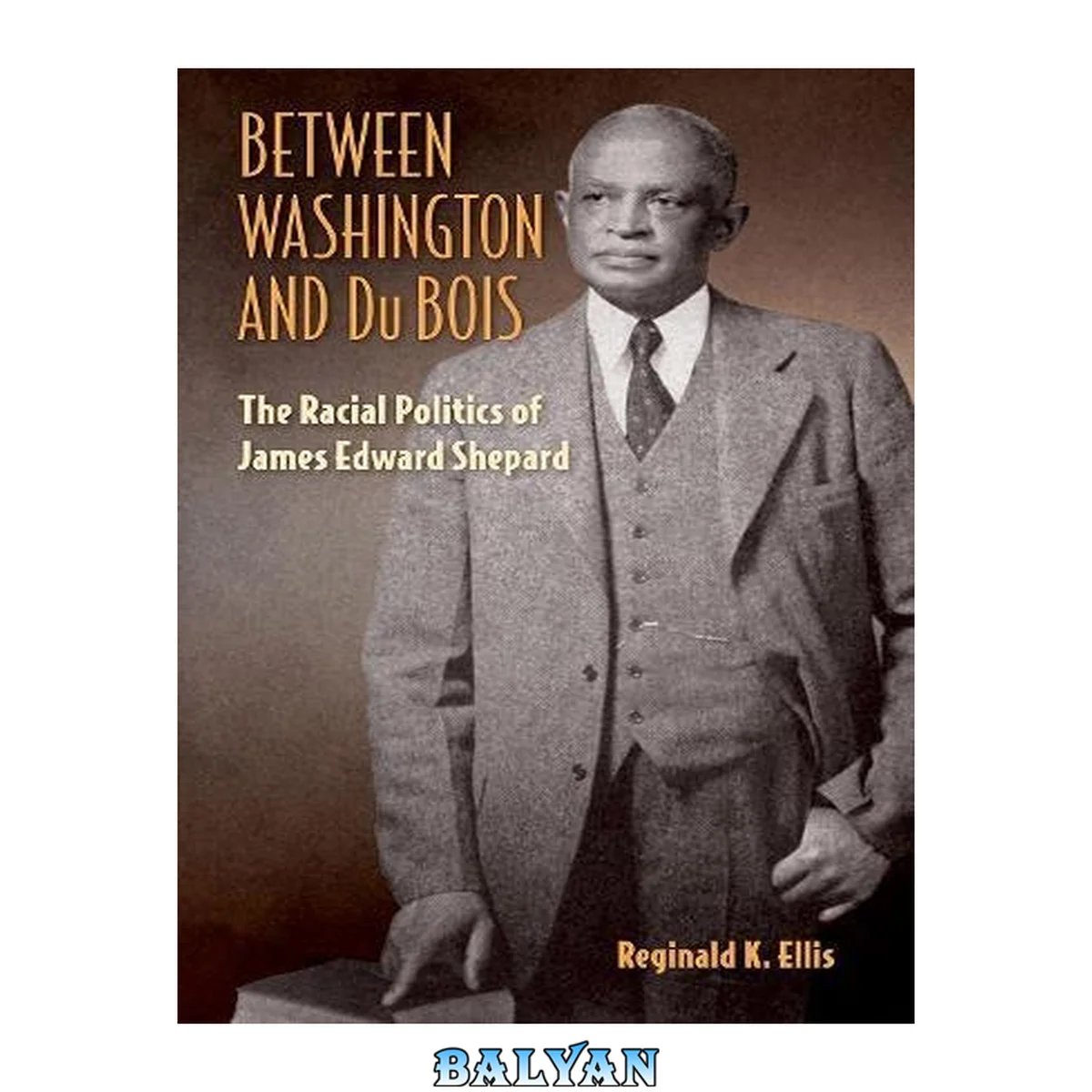
معرفی کتاب «Between Washington and Du Bois : The Racial Politics of James Edward Shepard» نوشتهٔ Reginald K. Ellis، منتشرشده توسط نشر University Press of Florida در سال 2017. این کتاب در فرمت pdf، زبان انگلیسی ارائه شده است.
Southern Conference on African American Studies, Inc. C. Calvin Smith Book Award Between Washington and Du Bois describes the life and work of James Edward Shepard, the founder and president of the first state-supported black liberal arts college in the South--what is today known as North Carolina Central University. Arguing that black college presidents of the early twentieth century were not only academic pioneers but also race leaders, Reginald Ellis shows how Shepard played a vital role in the creation of a black professional class during the Jim Crow era. Rather than focusing on vocational skills, like Booker T. Washington, or emphasizing the liberal arts exclusively, as did W. E. B. Du Bois, Shepard steered a course between these two perspectives by considering the most practical ways to make higher education available to African Americans. At times he accommodated his state’s segregationist regime in order to keep his school open and funded. Yet he never lost sight of his goal of radical racial uplift. Shepard’s story illustrates the gradualist strategy used by many of his peers in academic leadership who successfully navigated the currents of southern white supremacy and northern black radicalism. Between Washington and Du Bois describes the life and work of James Edward Shepard, the founder and president of the first state-supported black liberal arts college in the South—what is today known as North Carolina Central University. Arguing that black college presidents of the early twentieth century were not only academic pioneers but also race leaders, Reginald Ellis shows how Shepard played a vital role in the creation of a black professional class during the Jim Crow era. Rather than focusing on vocational skills, as did Booker T. Washington, or emphasizing the liberal arts exclusively, as did W. E. B. Du Bois, Shepard steered a course between these two perspectives by considering the most practical ways to make higher education available to African Americans. At times, he accommodated his state's segregationist regime in order to keep his school open and funded. Yet he never lost sight of his goal of radical racial uplift. Shepard's story illustrates the gradualist strategy used by many of his peers in academic leadership who successfully navigated the currents of southern white supremacy and northern black radicalism. James E. Shepard Of North Carolina, Like Booker T. Washington In Alabama, Was One Of The Most Influential African Americans In His State. This Study Is More Than A Biography Of An Influential African American, But An Analytical Study Of A Black Leader During The Age Of Jim Crow In The South. Introduction -- The Emergence Of A Black Leader During The Age Of Jim Crow And Black Racial Uplift In North Carolina -- Change The Man And The Environments Will Be Changed By Man?: The Creation Of The National Religious Training Institution And Chautauqua For The Negro Race -- Creating An Intellectual Partnership While Easing The White Man's Burden: James E. Shepard Advancing The Race Through Is Intellectual Partnerships -- Behind Enemy Lines With No Beach Head: James E. Shepard's Relationship With The Naacp During The Jim Crow Era -- Are You For Me Or Against Me? The Political Life Of James E. Shepard -- Don't Crash The Gate But Stand On Your Own Feet! Shepard And His Legacy -- Epilogue: A Legacy Continued. Reginald K. Ellis. Includes Bibliographical References And Index. The purpose of this manuscript is threefold. First, it will serve as a cultural biography of Dr. James Edward Shepard and the National Religious Training Institute and Chautauqua for the Negro Race and later the North Carolina College for Negroes (which became North Carolina Central University). Second, it will argue that black college presidents of the early twentieth century such as Shepard were more than academic leaders; they were race leaders. Shepard’s role at the NRTIC/NCC was to develop a race through this institution. Lastly, this study argues that Shepard, like most black college presidents, did not focus primarily on the difference between liberal arts and vocational education. Rather, he considered the most practical ways to uplift his race. Therefore, this study will be more than a biography of an influential African American, but an analytical study of a black leader during the age of Jim Crow in the South.
دانلود کتاب Between Washington and Du Bois : The Racial Politics of James Edward Shepard