Barracoon : the story of the last "black cargo"
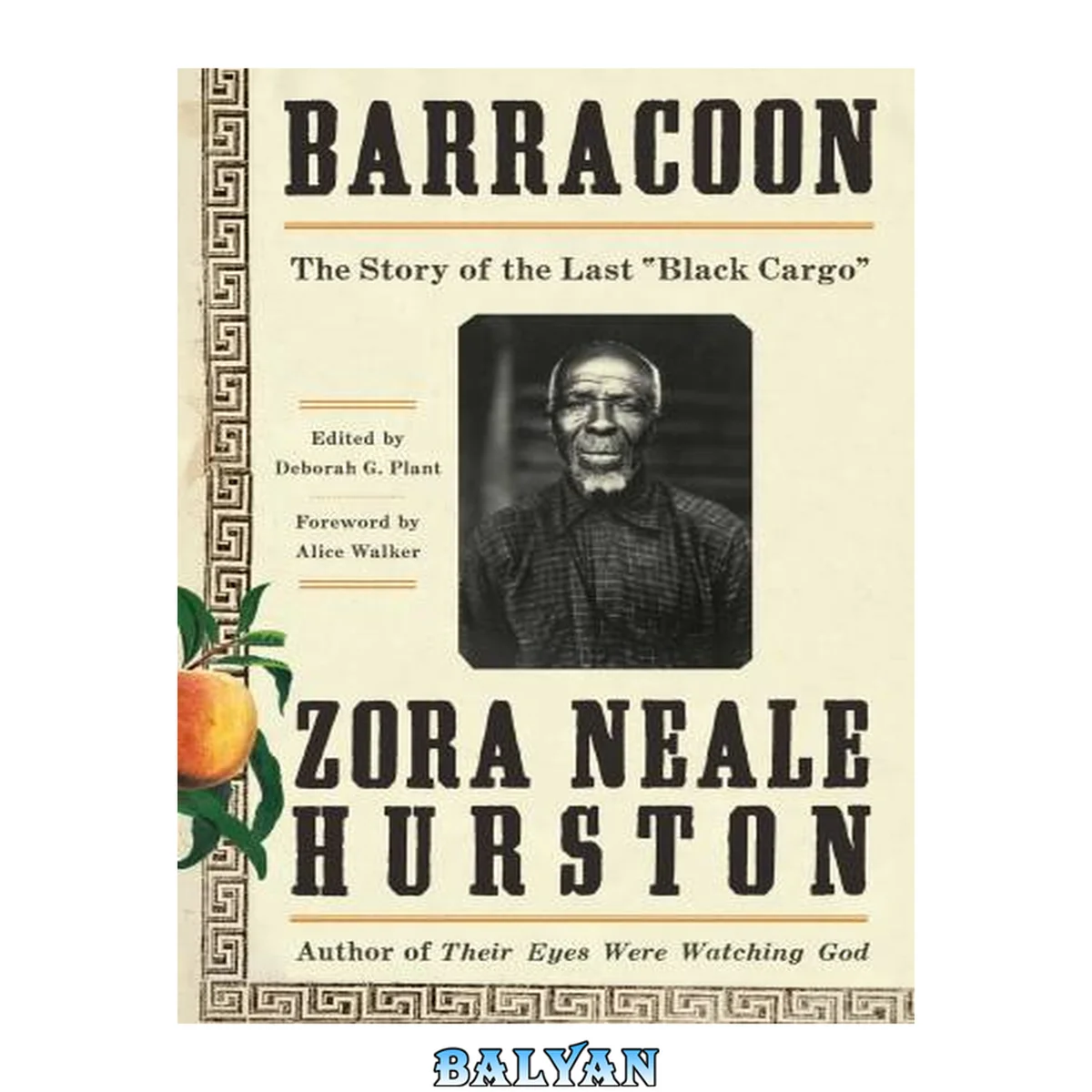
معرفی کتاب «Barracoon : the story of the last "black cargo"» نوشتهٔ Paul Lynch و Zora Neale Hurston, Alice Walker, Deborah G. Plant, Ibram X. Kendi، منتشرشده توسط نشر Amistad در سال 2018. این کتاب در فرمت pdf، زبان انگلیسی ارائه شده است.
Foreword by Alice Walker A major literary event: a newly published work from the author of the American classic Their Eyes Were Watching God, with a foreword from Pulitzer Prize-winning author Alice Walker, brilliantly illuminates the horror and injustices of slavery as it tells the true story of one of the last-known survivors of the Atlantic slave trade—abducted from Africa on the last "Black Cargo" ship to arrive in the United States. In 1927, Zora Neale Hurston went to Plateau, Alabama, just outside Mobile, to interview eighty-six-year-old Cudjo Lewis. Of the millions of men, women, and children transported from Africa to America as slaves, Cudjo was then the only person alive to tell the story of this integral part of the nation’s history. Hurston was there to record Cudjo’s firsthand account of the raid that led to his capture and bondage fifty years after the Atlantic slave trade was outlawed in the United States. In 1931, Hurston returned to Plateau, the African-centric community three miles from Mobile founded by Cudjo and other former slaves from his ship. Spending more than three months there, she talked in depth with Cudjo about the details of his life. During those weeks, the young writer and the elderly formerly enslaved man ate peaches and watermelon that grew in the backyard and talked about Cudjo’s past—memories from his childhood in Africa, the horrors of being captured and held in a barracoon for selection by American slavers, the harrowing experience of the Middle Passage packed with more than 100 other souls aboard the Clotilda, and the years he spent in slavery until the end of the Civil War. Based on those interviews, featuring Cudjo’s unique vernacular, and written from Hurston’s perspective with the compassion and singular style that have made her one of the preeminent American authors of the twentieth-century, Barracoon masterfully illustrates the tragedy of slavery and of one life forever defined by it. Offering insight into the pernicious legacy that continues to haunt us all, black and white, this poignant and powerful work is an invaluable contribution to our shared history and culture. New York Times Bestseller • TIME Magazine’s Best Nonfiction Book of 2018 • New York Public Library’s Best Book of 2018 • NPR’s Book Concierge Best Book of 2018 • Economist Book of the Year • SELF.com’s Best Books of 2018 • Audible’s Best of the Year • BookRiot’s Best Audio Books of 2018 • The Atlantic’s Books Briefing: History, Reconsidered • Atlanta Journal Constitution, Best Southern Books 2018 • The Christian Science Monitor’s Best Books 2018 • “A profound impact on Hurston’s literary legacy.”—New York Times “One of the greatest writers of our time.”—Toni Morrison “Zora Neale Hurston’s genius has once again produced a Maestrapiece.”—Alice Walker A major literary event: a newly published work from the author of the American classic Their Eyes Were Watching God, with a foreword from Pulitzer Prize-winning author Alice Walker, brilliantly illuminates the horror and injustices of slavery as it tells the true story of one of the last-known survivors of the Atlantic slave trade—abducted from Africa on the last "Black Cargo" ship to arrive in the United States. In 1927, Zora Neale Hurston went to Plateau, Alabama, just outside Mobile, to interview eighty-six-year-old Cudjo Lewis. Of the millions of men, women, and children transported from Africa to America as slaves, Cudjo was then the only person alive to tell the story of this integral part of the nation’s history. Hurston was there to record Cudjo’s firsthand account of the raid that led to his capture and bondage fifty years after the Atlantic slave trade was outlawed in the United States. In 1931, Hurston returned to Plateau, the African-centric community three miles from Mobile founded by Cudjo and other former slaves from his ship. Spending more than three months there, she talked in depth with Cudjo about the details of his life. During those weeks, the young writer and the elderly formerly enslaved man ate peaches and watermelon that grew in the backyard and talked about Cudjo’s past—memories from his childhood in Africa, the horrors of being captured and held in a barracoon for selection by American slavers, the harrowing experience of the Middle Passage packed with more than 100 other souls aboard the Clotilda, and the years he spent in slavery until the end of the Civil War. Based on those interviews, featuring Cudjo’s unique vernacular, and written from Hurston’s perspective with the compassion and singular style that have made her one of the preeminent American authors of the twentieth-century, Barracoon masterfully illustrates the tragedy of slavery and of one life forever defined by it. Offering insight into the pernicious legacy that continues to haunt us all, black and white, this poignant and powerful work is an invaluable contribution to our shared history and culture. A major literary event: a newly published work from the author of the American classic Their Eyes Were Watching God, with a foreword from Pulitzer-prize winning author, Alice Walker brilliantly illuminates the horror and injustices of slavery as it tells the true story of one of the last known survivors of the Atlantic slave trade?abducted from Africa on the last "Black Cargo" ship to arrive in the United States. In 1927, Zora Neale Hurston went to Plateau, Alabama, just outside Mobile, to interview eighty-six-year-old Cudjo Lewis. Of the millions of men, women, and children transported from Africa to America as slaves, Cudjo was then the only person alive to tell the story of this integral part of the nation's history. Hurston was there to record Cudjo's firsthand account of the raid that led to his capture and bondage fifty years after the Atlantic slave trade was outlawed in the United States. In 1931, Hurston returned to Plateau, the African-centric community three miles from Mobile founded by Cudjo and other former slaves from his ship. Spending more than three months there, she talked in depth with Cudjo about the details of his life. During those weeks, the young writer and the elderly formerly enslaved man ate peaches and watermelon that grew in the backyard and talked about Cudjo's past?memories from his childhood in Africa, the horrors of being captured and held in a barracoon for selection by American slavers, the harrowing experience of the Middle Passage packed with more than 100 other souls aboard the Clotilda, and the years he spent in slavery until the end of the Civil War. Based on those interviews, featuring Cudjo's unique vernacular, and written from Hurston's perspective with the compassion and singular style that have made her one of the preeminent American authors of the twentieth-century, Barracoon masterfully illustrates the tragedy of slavery and of one life forever defined by it. Offering insight into the pernicious legacy that continues to haunt us all, black and white, this poignant and powerful work is an invaluable contribution to our shared history and culture A major literary event: a newly published work from the author of the American classic Their Eyes Were Watching God, with a foreword from Pulitzer-prize winning author, Alice Walker brilliantly illuminates the horror and injustices of slavery as it tells the true story of one of the last known survivors of the Atlantic slave trade—abducted from Africa on the last "Black Cargo" ship to arrive in the United States. In 1927, Zora Neale Hurston went to Plateau, Alabama, just outside Mobile, to interview eighty-six-year-old Cudjo Lewis. Of the millions of men, women, and children transported from Africa to America as slaves, Cudjo was then the only person alive to tell the story of this integral part of the nation's history. Hurston was there to record Cudjo's firsthand account of the raid that led to his capture and bondage fifty years after the Atlantic slave trade was outlawed in the United States. In 1931, Hurston returned to Plateau, the... Title Page 2 Dedication 5 Epigraph 6 Definition 7 Contents 8 Foreword: Those Who Love Us Never Leave Us Alone with Our Grief: Reading Barracoon: The Story of the Last “Black Cargo” by Alice Walker 10 Introduction 12 Editor’s Note 18 Barracoon 21 Preface 21 Introduction 22 I 27 II: The King Arrives 31 III 35 IV 37 V 40 VI: Barracoon 43 VII: Slavery 46 VIII: Freedom 48 IX: Marriage 50 X: Kossula Learns About Law 53 XI 55 XII: Alone 59 Appendix 61 Takkoi or Attako—Children’s Game 61 Stories Kossula Told Me 61 The Monkey and the Camel 63 Story of de Jonah 64 Now Disa Abraham Fadda de Faitful 65 The Lion Woman 66 Afterword and Additional Materials Edited by Deborah G. Plant 71 Afterword 72 Acknowledgments 81 Founders and Original Residents of Africatown 83 Glossary 85 Bibliography 90 Notes 92 About the Editor 101 About the Author 102 Also by Zora Neale Hurston 103 Copyright 105 About the Publisher 106 "In 1927, Zora Neale Hurston went to Plateau, Alabama, just outside Mobile, to interview eighty-six-year-old Cudjo Lewis. Of the millions of men, women, and children transported from Africa to America as slaves, Cudjo was then the only person alive to tell the story of this integral part of the nation's history. Hurston was there to record Cudjo's firsthand account of the raid that led to his capture and bondage fifty years after the Atlantic slave trade was outlawed in the United States. In 1931, Hurston returned to Plateau, the African-centric community three miles from Mobile founded by Cudjo and other former slaves from his ship. Spending more than three months there, she talked in depth with Cudjo about the details of his life. During those weeks, the young writer and the elderly formerly enslaved man ate peaches and watermelon that grew in the backyard and talked about Cudjo's past--memories from his childhood in Africa, the horrors of being captured and held in a barracoon for selection by American slavers, the harrowing experience of the Middle Passage packed with more than 100 other souls aboard the Clotilda, and the years he spent in slavery until the end of the Civil War. Based on those interviews, featuring Cudjo's unique vernacular, and written from Hurston's perspective with the compassion and singular style that have made her one of the preeminent American authors of the twentieth-century, Barracoon masterfully illustrates the tragedy of slavery and of one life forever defined by it. Offering insight into the pernicious legacy that continues to haunt us all, black and white, this poignant and powerful work is an invaluable contribution to our shared history and culture"--Publisher's description "In 1927, Zora Neale Hurston went to Plateau, Alabama, just outside Mobile, to interview eighty-six-year-old Cudjo Lewis. Of the millions of men, women, and children transported from Africa to America as slaves, Cudjo was then the only person alive to tell the story of this integral part of the nation's history. Hurston was there to record Cudjo's firsthand account of the raid that led to his capture and bondage fifty years after the Atlantic slave trade was outlawed in the United States. In 1931, Hurston returned to Plateau, the African-centric community three miles from Mobile founded by Cudjo and other former slaves from his ship. Spending more than three months there, she talked in depth with Cudjo about the details of his life. During those weeks, the young writer and the elderly formerly enslaved man ate peaches and watermelon that grew in the backyard and talked about Cudjo's past--memories from his childhood in Africa, the horrors of being captured and held in a barracoon for selection by American slavers, the harrowing experience of the Middle Passage packed with more than 100 other souls aboard the Clotilda, and the years he spent in slavery until the end of the Civil War. Based on those interviews, featuring Cudjo's unique vernacular, and written from Hurston's perspective with the compassion and singular style that have made her one of the preeminent American authors of the twentieth-century, Barracoon masterfully illustrates the tragedy of slavery and of one life forever defined by it. Offering insight into the pernicious legacy that continues to haunt us all, black and white, this poignant and powerful work is an invaluable contribution to our shared history and culture."-- Publisher's website Title Page......Page 2 Dedication......Page 5 Epigraph......Page 6 Definition......Page 7 Contents......Page 8 Foreword: Those Who Love Us Never Leave Us Alone with Our Grief: Reading Barracoon: The Story of the Last “Black Cargo” by Alice Walker......Page 10 Introduction......Page 12 Editor’s Note......Page 18 Preface......Page 21 Introduction......Page 22 I......Page 27 II: The King Arrives......Page 31 III......Page 35 IV......Page 37 V......Page 40 VI: Barracoon......Page 43 VII: Slavery......Page 46 VIII: Freedom......Page 48 IX: Marriage......Page 50 X: Kossula Learns About Law......Page 53 XI......Page 55 XII: Alone......Page 59 Stories Kossula Told Me......Page 61 The Monkey and the Camel......Page 63 Story of de Jonah......Page 64 Now Disa Abraham Fadda de Faitful......Page 65 The Lion Woman......Page 66 Afterword and Additional Materials Edited by Deborah G. Plant......Page 71 Afterword......Page 72 Acknowledgments......Page 81 Founders and Original Residents of Africatown......Page 83 Glossary......Page 85 Bibliography......Page 90 Notes......Page 92 About the Editor......Page 101 About the Author......Page 102 Also by Zora Neale Hurston......Page 103 Copyright......Page 105 About the Publisher......Page 106 In 1927, Hurston went to Plateau, Alabama to interview eighty-six-year-old Cudjo Lewis. In 1931, Hurston returned to Plateau and spent more than three months there, she talked in depth with Cudjo about the details of his life: memories from his childhood in Africa, the horrors of being held in a barracoon for selection by American slavers, the harrowing experience of being packed with more than 100 tell the story of this integral part of the nation's history. The result is a masterful examination of the tragedy of slavery and of one life forever defined by it The true story of the last known survivor of the Atlantic slave trade, illegally smuggled from Africa on the last "black cargo" ship to arrive in the United States.
دانلود کتاب Barracoon : the story of the last "black cargo"