معماری زمانبندیشده: طراحی با در نظر گرفتن زمان (طراحی معماری)
Architecture Timed: Designing with Time in Mind (Architectural Design)
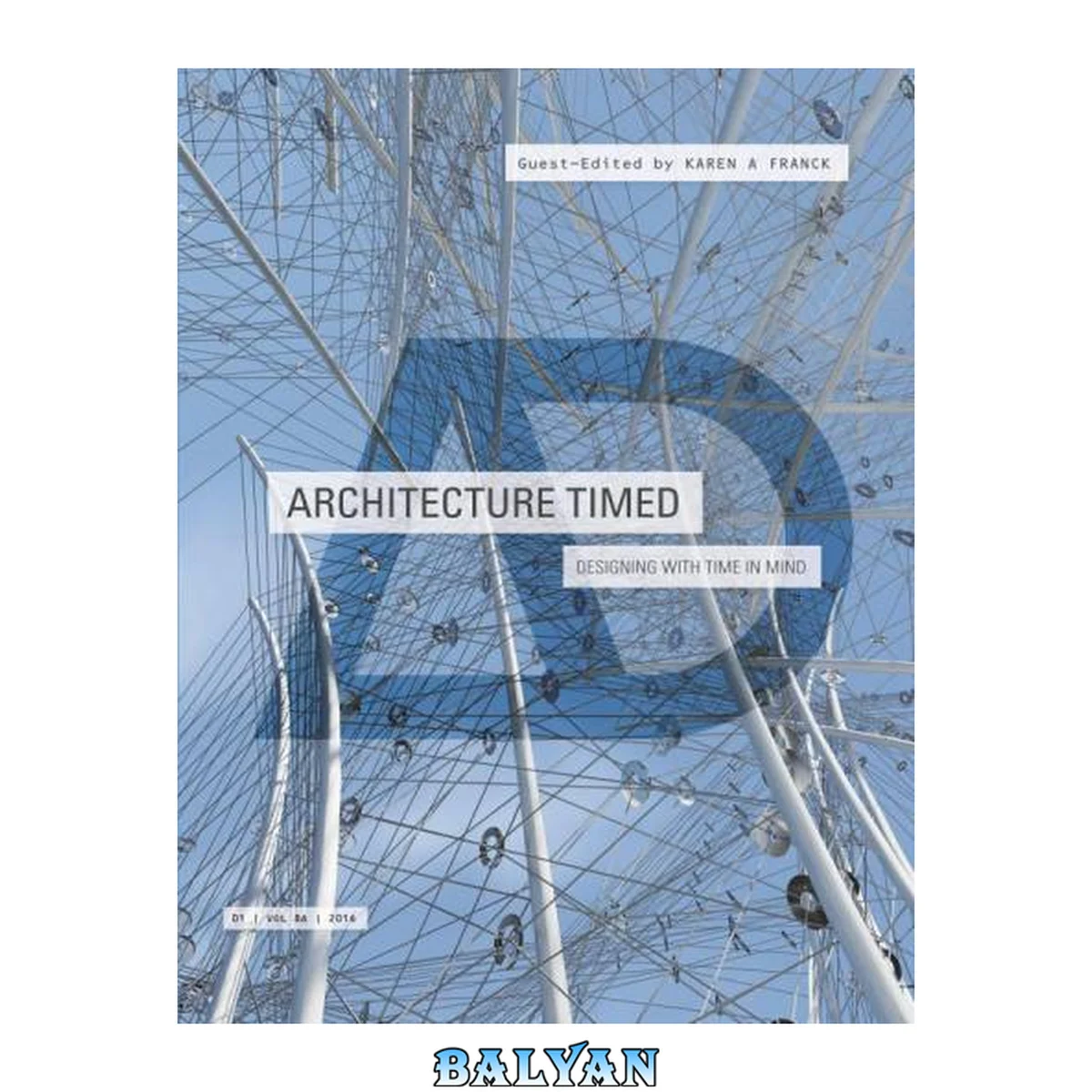
معرفی کتاب «معماری زمانبندیشده: طراحی با در نظر گرفتن زمان (طراحی معماری)» (با عنوان لاتین Architecture Timed: Designing with Time in Mind (Architectural Design)) نوشتهٔ Karen A. Franck، منتشرشده توسط نشر Academy Press [Imprint] John Wiley & Sons در سال 2016. این کتاب در فرمت pdf، زبان انگلیسی ارائه شده است.
The traditional veneration of architecture for its monumental and enduring qualities seems to be changing. Architects and other designers are moving away from seeking permanence towards a more open, creative use of what time has to offer. This is revealed in new approaches to historic preservation, the proliferation of temporary structures, concerns regarding sustainability, and the employment of time-efficient processes. Architecture Timed explores the role of ideas about time in the design inclinations and choices of contemporary designers of the environment. Contributors consider how the new can be incorporated into the old; how designing for the very short term has significant advantages; how what is temporary can be re-used; and how the design of materials, buildings and landscapes can improve sustainability and enhance experiences of time passing. Many designers have replaced the ideal of 'timelessness' and the view of time as a series of singular, static moments with an enriched and more nuanced perspective, treating time as a source of inspiration to be embraced, not a condition to be defended against. Contributors include: Juhani Pallasmaa, Brian McGrath, Federica Goffi, Jill Stoner, Richard Garber and Eric Parry. Designers featured include: Agence Ter, Shigeru Ban, BanG Studio, Diller Scofidio + Renfro, EMF Landscape Architects, Gluck+, GRO Architects, Interboro Partners, Toyo Ito, Kengo Kuma, Enric Miralles, Eric Parry Architects, Carlo Scarpa, Taylor Cullity Lethlean, UNStudio and Peter Zumthor. Traditionally, architecture has often been venerated for its monumental and enduring qualities. The propensity for experimenting with new materials, designing temporary structures and employing time-efficient processes reveals a significant shift in attitude. Architects and other designers appear to be moving away from seeking permanence towards a more open, creative use of what time has to offer. This issue of AD will explore the role that ideas about time play in the design inclinations and choices of contemporary designers of the environment. Contributors will consider how the new can be incorporated into the old; how designing for the very short term has significant advantages; how what is temporary can be re-used; and how the design of buildings and landscapes can enhance experiences of time passing. Many designers have replaced the ideal of timelessness and the view of time as a series of singular, static moments with an enriched and more nuanced perspective, treating time as a source of inspiration to be embraced, not a condition to be defended against. Annotation The traditional veneration of architecture for its monumental and enduring qualities seems to be changing. Architects and other designers are moving away from seeking permanence towards a more open, creative use of what time has to offer. This is revealed in new approaches to historic preservation, the proliferation of temporary structures, concerns regarding sustainability, and the employment of time-efficient processes. This book explores the role of ideas about time in the design inclinations and choices of contemporary designers of the environment
دانلود کتاب معماری زمانبندیشده: طراحی با در نظر گرفتن زمان (طراحی معماری)