An analysis of Charles Darwin's On the origin of species by means of natural selection, or, The preservation of favoured races in the struggle for life
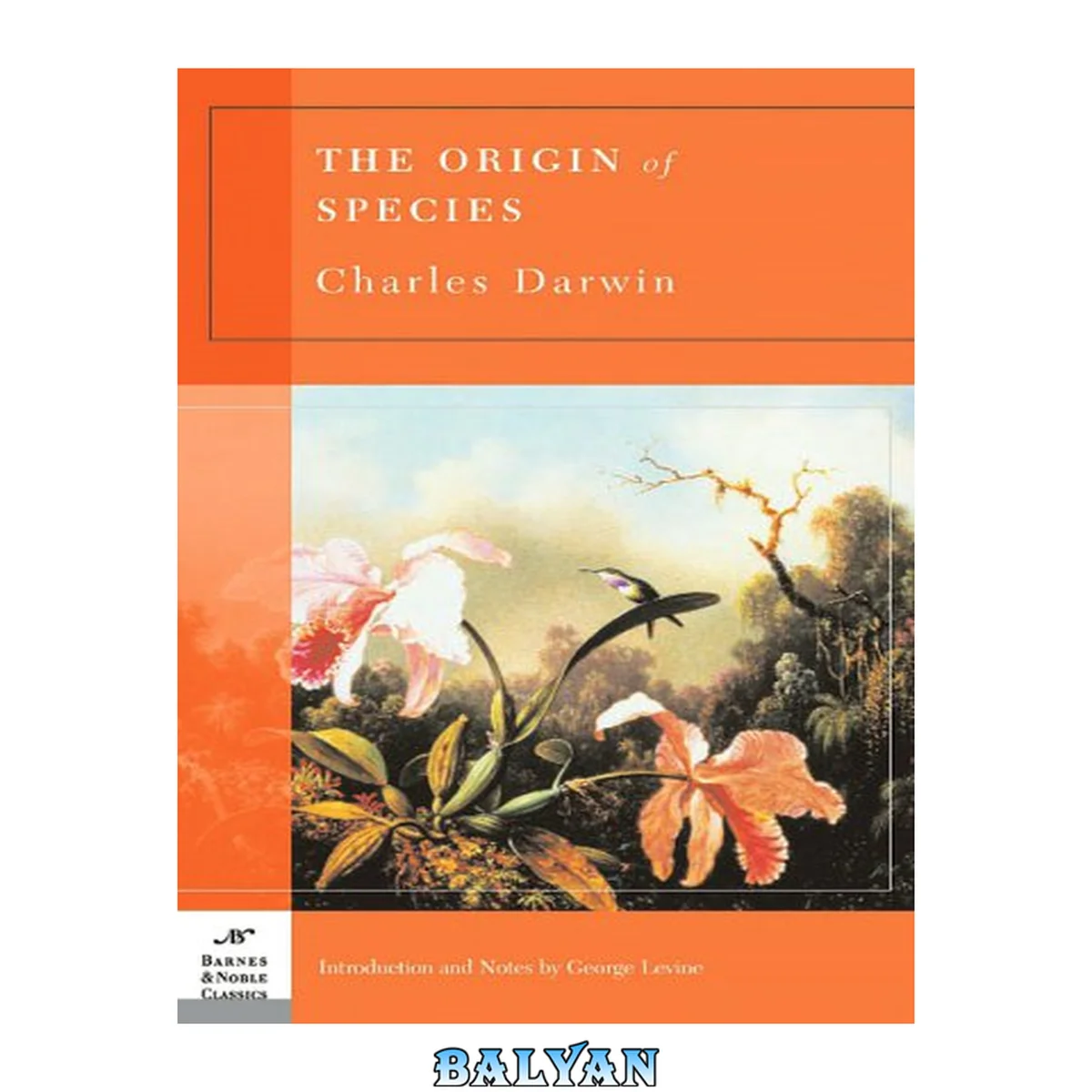
معرفی کتاب «An analysis of Charles Darwin's On the origin of species by means of natural selection, or, The preservation of favoured races in the struggle for life» نوشتهٔ Jennifer L. Armentrout و Darwin, Charles;Davidson, George، منتشرشده توسط نشر Barnes & Noble Classics;Arcturus در سال 2009. این کتاب در فرمت epub، زبان انگلیسی ارائه شده است.
- New introductions commissioned from today's top writers and scholars
- Biographies of the authors
- Chronologies of contemporary historical, biographical, and cultural events
- Footnotes and endnotes
- Selective discussions of imitations, parodies, poems, books, plays, paintings, operas, statuary, and films inspired by the work
- Comments by other famous authors
- Study questions to challenge the reader's viewpoints and expectations
- Bibliographies for further reading
- Indices & Glossaries, when appropriate
On December 27, 1831, the young naturalist Charles Darwin left Plymouth Harbor aboard the HMS Beagle. For the next five years, he conducted research on plants and animals from around the globe, amassing a body of evidence that would culminate in one of the greatest discoveries in the history of mankind-the theory of evolution.
Darwin presented his stunning insights in a landmark book that forever altered the way human beings view themselves and the world they live in. In The Origin of Species, he convincingly demonstrates the fact of evolution: that existing animals and plants cannot have appeared separately but must have slowly transformed from ancestral creatures. Most important, the book fully explains the mechanism that effects such a transformation: natural selection, the idea that made evolution scientifically intelligible for the first time.
One of the few revolutionary works of science that is engrossingly readable, The Origin of Species not only launched the science of modern biology but also has influenced virtually all subsequent literary, philosophical, and religious thinking.
George Levine, Kenneth Burke Professor of English Literature at Rutgers University, has written extensively about Darwin and the relation of science and literature, particularly in Darwin and the Novelists. He is the author of many related books, including The Realistic Imagination, Dying to Know, and his birdwatching memoirs, Lifebirds.
the Origin Of Species, By Charles Darwin, Is Part Of The barnes & Noble Classics series, Which Offers Quality Editions At Affordable Prices To The Student And The General Reader, Including New Scholarship, Thoughtful Design, And Pages Of Carefully Crafted Extras. Here Are Some Of The Remarkable Features Of barnes & Noble Classics:
- new Introductions Commissioned From Today's Top Writers And Scholars
- biographies Of The Authors
- chronologies Of Contemporary Historical, Biographical, And Cultural Events
- footnotes And Endnotes
- selective Discussions Of Imitations, Parodies, Poems, Books, Plays, Paintings, Operas, Statuary, And Films Inspired By The Work
- comments By Other Famous Authors
- study Questions To Challenge The Reader's Viewpoints And Expectations
- bibliographies For Further Reading
- indices & Glossaries, When Appropriate
on December 27, 1831, The Young Naturalist Charles Darwin Left Plymouth Harbor Aboard The Hms Beagle. For The Next Five Years, He Conducted Research On Plants And Animals From Around The Globe, Amassing A Body Of Evidence That Would Culminate In One Of The Greatest Discoveries In The History Of Mankind—the Theory Of Evolution.
darwin Presented His Stunning Insights In A Landmark Book That Forever Altered The Way Human Beings View Themselves And The World They Live In. In the Origin Of Species, He Convincingly Demonstrates The Fact Of Evolution: That Existing Animals And Plants Cannot Have Appeared Separately But Must Have Slowly Transformed From Ancestral Creatures. Most Important, The Book Fully Explains The Mechanism That Effects Such A Transformation: Natural Selection, The Idea That Made Evolution Scientifically Intelligible For The First Time.
one Of The Few Revolutionary Works Of Science That Is Engrossingly Readable, the Origin Of Species Not Only Launched The Science Of Modern Biology But Also Has Influenced Virtually All Subsequent Literary, Philosophical, And Religious Thinking.
george Levine, Kenneth Burke Professor Of English Literature At Rutgers University, Has Written Extensively About Darwin And The Relation Of Science And Literature, Particularly In Darwin And The Novelists. He Is The Author Of Many Related Books, Including the Realistic Imagination, Dying To Know, And His Birdwatching Memoirs, lifebirds.
The Origin of Species , by Charles Darwin , is part of the Barnes & Noble Classics series, which offers quality editions at affordable prices to the student and the general reader, including new scholarship, thoughtful design, and pages of carefully crafted extras. Here are some of the remarkable features of Barnes & Noble Classics : New introductions commissioned from todays top writers and scholars Biographies of the authors Chronologies of contemporary historical, biographical, and cultural events Footnotes and endnotes Selective discussions of imitations, parodies, poems, books, plays, paintings, operas, statuary, and films inspired by the work Comments by other famous authors Study questions to challenge the readers viewpoints and expectations Bibliographies for further reading Indices & Glossaries, when appropriate All editions are beautifully designed and are printed to superior specifications; some include illustrations of historical interest. Barnes & Noble Classics pulls together a constellation of influences—biographical, historical, and literary—to enrich each readers understanding of these enduring works. On December 27, 1831, the young naturalist Charles Darwin left Plymouth Harbor aboard the HMS Beagle. For the next five years, he conducted research on plants and animals from around the globe, amassing a body of evidence that would culminate in one of the greatest discoveries in the history of mankind—the theory of evolution. Darwin presented his stunning insights in a landmark book that forever altered the way human beings view themselves and the world they live in. In The Origin of Species , he convincingly demonstrates the fact of evolution: that existing animals and plants cannot have appeared separately but must have slowly transformed from ancestral creatures. Most important, the book fully explains the mechanism that effects such a transformation: natural selection, the idea that made evolution scientifically intelligible for the first time. One of the few revolutionary works of science that is engrossingly readable, The Origin of Species not only launched the science of modern biology but also has influenced virtually all subsequent literary, philosophical, and religious thinking. George Levine , Kenneth Burke Professor of English Literature at Rutgers University, has written extensively about Darwin and the relation of science and literature, particularly in Darwin and the Novelists . He is the author of many related books, including The Realistic Imagination, Dying to Know , and his birdwatching memoirs, Lifebirds . The Origin of Species, by Charles Darwin, is part of the Barnes & Noble Classics series, which offers quality editions at affordable prices to the student and the general reader, including new scholarship, thoughtful design, and pages of carefully crafted extras. Here are some of the remarkable features of Barnes & Noble Classics: New introductions commissioned from today's top writers and scholars \Biographies of the authors \Chronologies of contemporary historical, biographical, and cultural events \Footnotes and endnotes \Selective discussions of imitations, parodies, poems, books, plays, paintings, operas, statuary, and films inspired by the work \Comments by other famous authors \Study questions to challenge the reader's viewpoints and expectations \Bibliographies for further reading \Indices & Glossaries, when appropriate\All editions are beautifully designed and are printed to superior specifications; some include illustrations of historical interest. Barnes & Noble Classics pulls together a constellation of influences -- biographical, historical, and literary -- to enrich each reader's understanding of these enduring works .\On December 27, 1831, the young naturalist Charles Darwin left Plymouth Harbor aboard the HMS Beagle. For the next five years, he conducted research on plants and animals from around the globe, amassing a body of evidence that would culminate in one of the greatest discoveries in the history of mankind -- the theory of evolution. \Darwin presented his stunning insights in a landmark book that forever altered the way human beings view themselves and the world they live in. In The Origin of Species, he convincingly demonstrates the fact of evolution: that existing animals and plants cannot have appeared separately but must have slowly transformed from ancestral creatures. Most important, the book fully explains the mechanism that effects such a transformation: natural selection, the idea that made evolution scientifically intelligible for the first time. \One of the few revolutionary works of science that is engrossingly readable, The Origin of Species not only launched the science of modern biology but also has influenced virtually all subsequent literary, philosophical, and religious thinking Charles Darwin called on a broad and unusually powerful combination of critical thinking skills to create his wide-ranging explanation for biological change, On the Origin of Species. It's one of those rare books that takes a huge problem – the enormous diversity of different species – and seeks to use a vast range of evidence to solve it. But it was perhaps Darwin's towering creative prowess that made the most telling contribution to this masterpiece, for it was this that enabled him to make the necessary fresh connections between so much disparate evidence from such a diversity of fields. All of Darwin's critical thinking skills were required, however, in the course of the decades of work that went into this volume. Taken as a whole, Darwin's solution to the problem that he set himself is carefully researched, considers multiple explanations, and justifies its conclusions with well-organised reasoning. At the time of the publication, in 1859, there were various explanations for the changes that Darwin – and others – observed; what separated Darwin from so many of his contemporaries is that he deployed critical thinking to arrive at a significantly new way of fitting explanation to evidence; one that remains elegant, complete and predictive to this day. __The Origin of Species__, by **Charles Darwin**, is part of the __Barnes & Noble Classics__series, which offers quality editions at affordable prices to the student and the general reader, including new scholarship, thoughtful design, and pages of carefully crafted extras. Here are some of the remarkable features of __Barnes & Noble Classics__:- New introductions commissioned from today's top writers and scholars - Biographies of the authors - Chronologies of contemporary historical, biographical, and cultural events - Footnotes and endnotes - Selective discussions of imitations, parodies, poems, books, plays, paintings, operas, statuary, and films inspired by the work - Comments by other famous authors - Study questions to challenge the reader's viewpoints and expectations - Bibliographies for further reading - Indices & Glossaries, when appropriateAll editions are beautifully designed and are printed to superior specifications;... "In the Origin of Species (1859) Darwin challenged many of the most deeply held beliefs of the Western world. Arguing for a material, not divine, origin of species, he showed that new species are achieved by 'natural selection'. Development, diversification, decay, extinction and absence of plan are all inherent to his theories." "Darwin read prodigiously across many fields; he reflected on his experiences as a traveller, he experimented. His profoundly influential concept of 'natural selection' condenses materials from past and present, from the Galapagos Islands to rural Staffordshire, from English back gardens to colonial encounters. The Origin communicates the enthusiasm of original thinking in an open, descriptive style, and Darwin's emphasis on the value of diversity speaks more strongly now than ever."--Jacket Ways in to the Text Who was Charles Darwin? What does On the Origin of Species Say? Why does On the Origin of Species Matter? Section 1: Influences Module 1: The Author and the Historical Context Module 2: Academic Context Module 3: The Problem Module 4: The Author's Contribution Section 2: Ideas Module 5: Main Ideas Module 6: Secondary Ideas Module 7: Achievement Module 8: Place in the Author's Work Section 3: Impact Module 9: The First Responses Module 10: The Evolving Debate Module 11: Impact and Influence Today Module 12: Where Next? Glossary of Terms People Mentioned in the Text Works Cited Originally published in 1859, this work challenged many of the most deeply-held beliefs of the Western world. Arguing for a material, not divine, origin of species, Darwin showed that new species are achieved by natural selection. Charles Darwin's seminal work laying the foundations for the principles of evolutionary biology via natural selection, based on evidence that he collected during his expedition on *HMS Beagle* in the 1830s. The idea of evolution and that earth's species descended from common ancestors had already been around for some time when Darwin published On the Origin of Species in 1859.