Americans in the Treasure House : Travel to Porfirian Mexico and the Cultural Politics of Empire
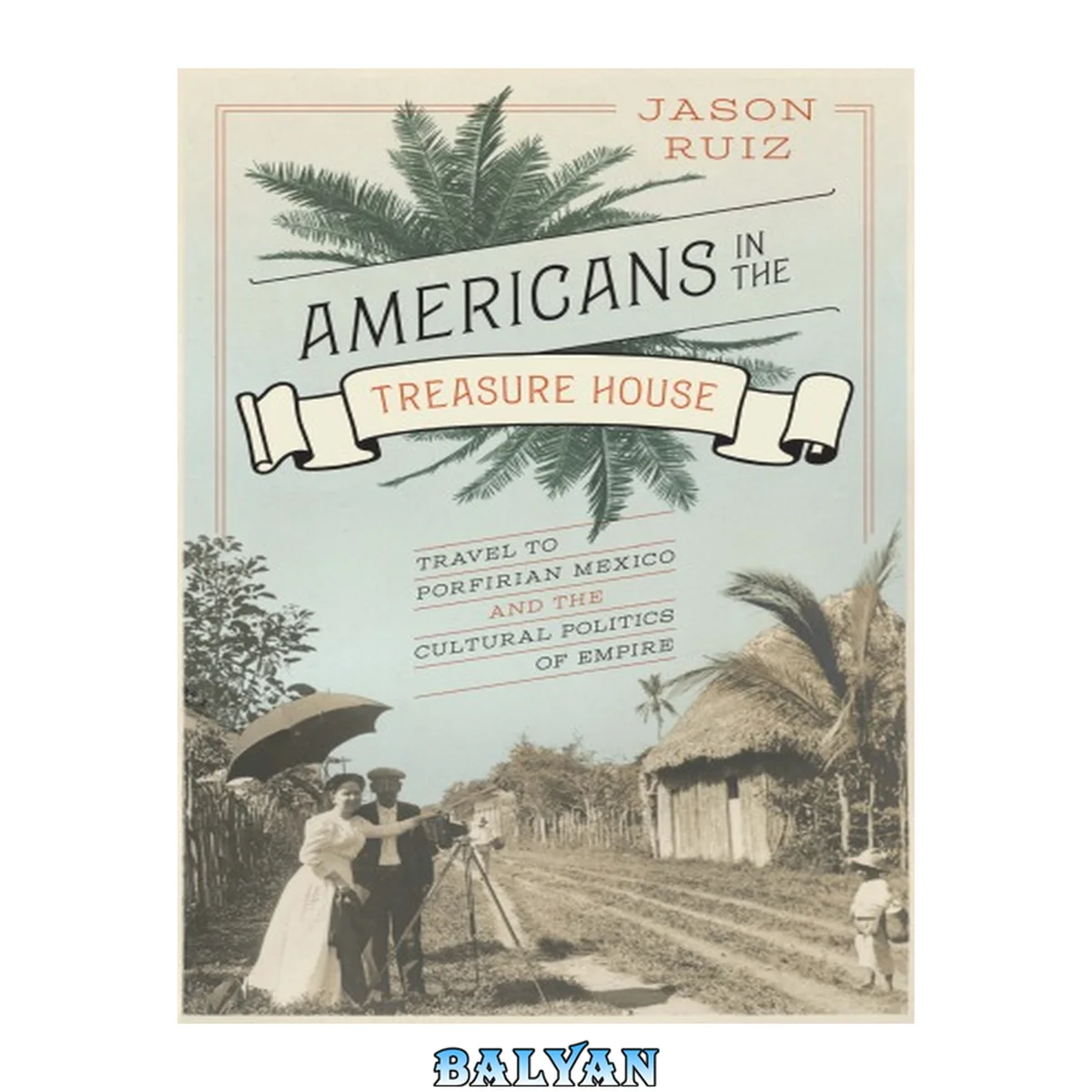
معرفی کتاب «Americans in the Treasure House : Travel to Porfirian Mexico and the Cultural Politics of Empire» نوشتهٔ Ruiz, Jason(Author)، منتشرشده توسط نشر University of Texas Press در سال 2014. این کتاب در فرمت pdf، زبان انگلیسی ارائه شده است.
When railroads connected the United States and Mexico in 1884 and overland travel between the two countries became easier and cheaper, Americans developed an intense curiosity about Mexico, its people, and its opportunities for business and pleasure. Indeed, so many Americans visited Mexico during the Porfiriato (the long dictatorship of Porfirio Díaz, 1876–1911) that observers on both sides of the border called the hordes of tourists and business speculators a “foreign invasion,” an apt phrase for a historical moment when the United States was expanding its territory and influence. Americans in the Treasure House examines travel to Mexico during the Porfiriato, concentrating on the role of travelers in shaping ideas of Mexico as a logical place for Americans to extend their economic and cultural influence in the hemisphere. Analyzing a wealth of evidence ranging from travelogues and literary representations to picture postcards and snapshots, Jason Ruiz demonstrates that American travelers constructed Mexico as a nation at the cusp of modernity, but one requiring foreign intervention to reach its full potential. He shows how they rationalized this supposed need for intervention in a variety of ways, including by representing Mexico as a nation that deviated too dramatically from American ideals of progress, whiteness, and sexual self-control to become a modern “sister republic” on its own. Most importantly, Ruiz relates the rapid rise in travel and travel discourse to complex questions about national identity, state power, and economic relations across the U.S.–Mexico border. This study of American travel to Mexico from 1884 to 1911 examines how the influx of tourists and speculators altered perceptions of US influence. When railroads connected the United States and Mexico in 1884, travel between the two countries became easier and cheaper. Americans developed an intense curiosity about Mexico, its people, and its opportunities for business and pleasure. Indeed, so many Americans visited Mexico during the Porfiriato—the long dictatorship of Porfirio Díaz—that observers on both sides of the border called it a “foreign invasion.” This, as Jason Ruiz demonstrates, was an especially apt phrase. In Americans in the Treasure House , Ruiz argues that this influx of travelers helped shape American perceptions of Mexico as a logical place to exert its cultural and economic influence. Analyzing a wealth of evidence ranging from travelogues and literary representations to picture postcards and snapshots, Ruiz shows how American travelers constructed an image of Mexico as a nation requiring foreign intervention to reach its full potential. Most importantly, he relates the rapid rise in travel and travel discourse to complex questions about national identity, state power, and economic relations across the US–Mexico border. "This book examines travel to Mexico during the Porfiriato (the long dictatorship of Porfirio Diaz 1876-1911), focusing especially on the role of travelers in shaping ideas of Mexico as a logical place for Americans to extend their economic and cultural influence in the hemisphere. Overland travel between the United States and Mexico became instantly faster, smoother, and cheaper when workers connected the two countries' rail lines in 1884, creating intense curiosity in the United States about Mexico, its people, and its opportunities for business and pleasure. As a result, so many Americans began to travel south of the border during the Porfiriato that observers from both sides of the border began to quip that the visiting hordes of tourists and business speculators constituted a "foreign invasion," a phrase laced with irony given that it appeared at the height of public debate in the United States about the nation's imperial future. These travelers created a rich and varied record of their journeys, constructing Mexico as a nation at the cusp of modernity but requiring foreign intervention to reach its full potential"-- Provided by publisher List of Illustrations Acknowledgments Notes on Usage Introduction: Keep Close to a Kicking Horse One. Desire among the Ruins: Constructing Mexico in American Travel Discourse Two. "The Greatest and Wisest Despot of Modern Times": Porfirio Diaz, American Travelers, and the Politics of Logical Paternalism Three. American Travel Writing and the Problem of Indian Difference Four. "The Most Promising Element in Mexican Society": Idealized Mestizaje and the Eradication of Indian Difference Five. Reversals of Fortune: Revolutionary Veracruz and Porfirian Nostalgia Conclusion Notes Bibliography Index Contents 8 List of Illustrations 10 Acknowledgments 12 Notes on Usage 16 Introduction. Keep Close to a Kicking Horse 20 1. Desire among the Ruins: Constructing Mexico in American Travel Discourse 38 2. “The Greatest and Wisest Despot of Modern Times”: Porfirio Díaz, American Travelers, and the Politics of Logical Paternalism 84 3. American Travel Writing and the Problem of Indian Difference 122 4. “The Most Promising Element in Mexican Society”: Idealized Mestizaje and the Eradication of Indian Difference 182 5. Reversals of Fortune: Revolutionary Veracruz and Porfirian Nostalgia 198 Conclusion 236 Notes 244 Bibliography 266 Index 280 Machine generated contents note: List of Illustrations Acknowledgments Notes on Usage Introduction: Keep Close to a Kicking Horse Desire among the Ruins: Constructing Mexico in American Travel Discourse The Greatest and Wisest Despot of Modern Times : Porfirio Diaz, American Travelers, and the Politics of Logical Paternalism American Travel Writing and the Problem of Indian Difference The Most Promising Element in Mexican Society : Idealized Mestizaje and the Eradication of Indian Difference Reversals of Fortune: Revolutionary Veracruz and Porfirian Nostalgia Conclusion Notes Bibliography Index.
دانلود کتاب Americans in the Treasure House : Travel to Porfirian Mexico and the Cultural Politics of Empire