A Genealogy of Bamboo Diplomacy : The Politics of Thai Détente with Russia and China
معرفی کتاب «A Genealogy of Bamboo Diplomacy : The Politics of Thai Détente with Russia and China» نوشتهٔ JITTIPAT. POONKHAM، منتشرشده توسط نشر Australian National University Press در سال 2022. این کتاب در فرمت pdf، زبان انگلیسی ارائه شده است.
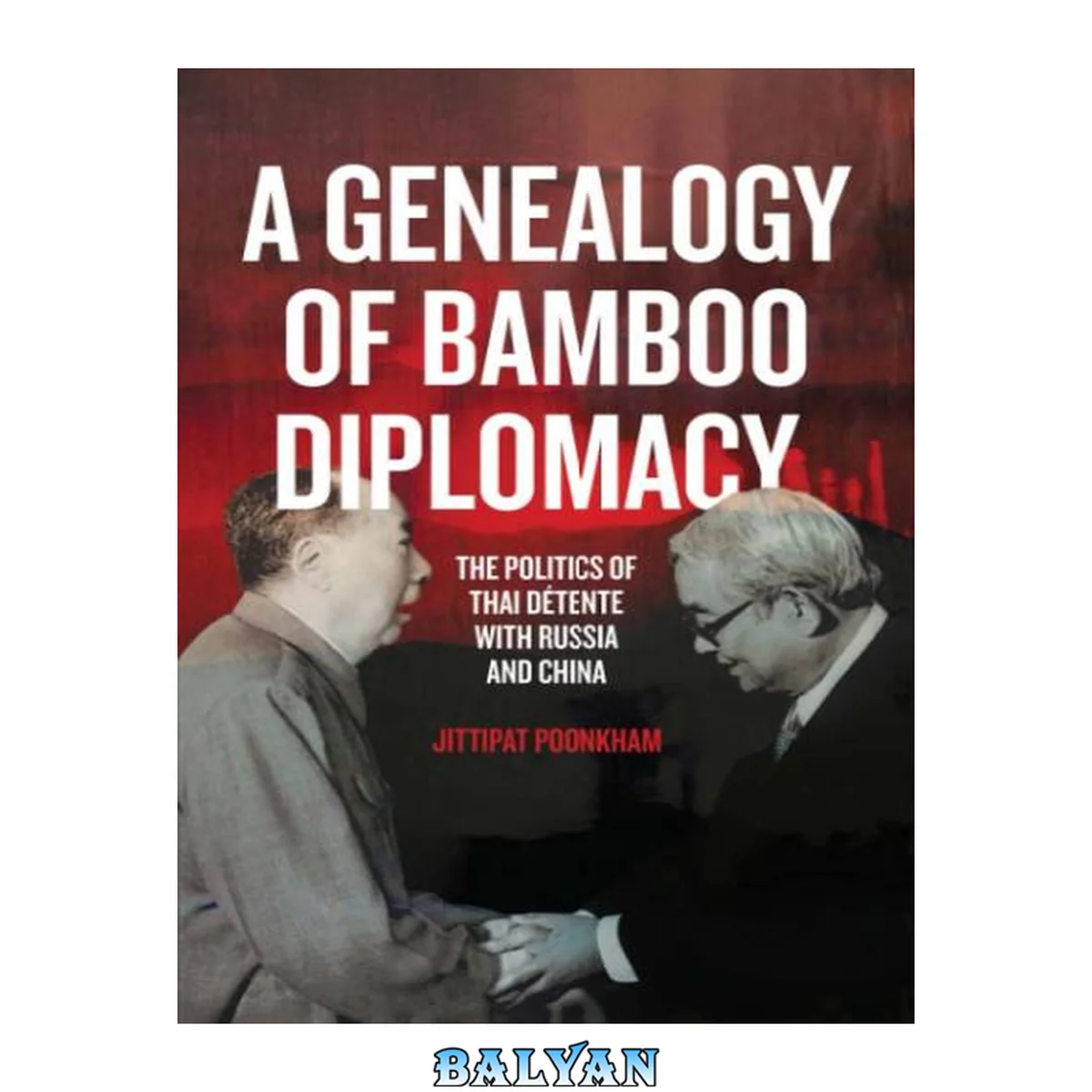
In 1975, M.R. Kurkrit Pramoj met Mao Zedong, marking theeventual establishment of diplomatic relations and a discursiverupture with the previous narrative of Communist powers as anexistential threat. This book critically interrogates the birth ofbamboo (bending with the wind) diplomacy and the politics of Thaidétente with Russia and China in the long 1970s (1968-80).
By 1968, Thailand was encountering discursive anxiety amid theprospect of American retrenchment from the Indo-Pacific region. Assuch, Thailand developed a new discourse of détente to make senseof the rapidly changing world politics and replace the hegemonicdiscourse of anticommunism. By doing so, it created a politicalstruggle between the old and new discourses.
Jittipat Poonkham also argues that bamboo diplomacy - previouslyseen as a classic and continual 'tradition' of Thai-style diplomacy- had its origins in Thai détente and has become the metanarrativeof Thai diplomacy since then. Based on a genealogical approach andmulti‐archival research, this book examines three key episodes ofThai détente: Thanat Khoman (1968-71), M.R. Kukrit Pramoj(1975-76), and General Kriangsak Chomanan (1977-80). Thistransformation was represented in numerous diplomatic/discursivepractices, such as ping‐pong diplomacy, petro‐diplomacy, trade andcultural diplomacy, and normal visits.
In 1975, M.R. Kurkrit Pramoj met Mao Zedong, marking the eventual establishment of diplomatic relations and a discursive rupture with the previous narrative of Communist powers as an existential threat. This book critically interrogates the birth of bamboo (bending with the wind) diplomacy and the politics of Thai dâetente with Russia and China in the long 1970s (1968-80)