A Cultural History of Food in the Medieval Age (The Cultural Histories Series, 2)
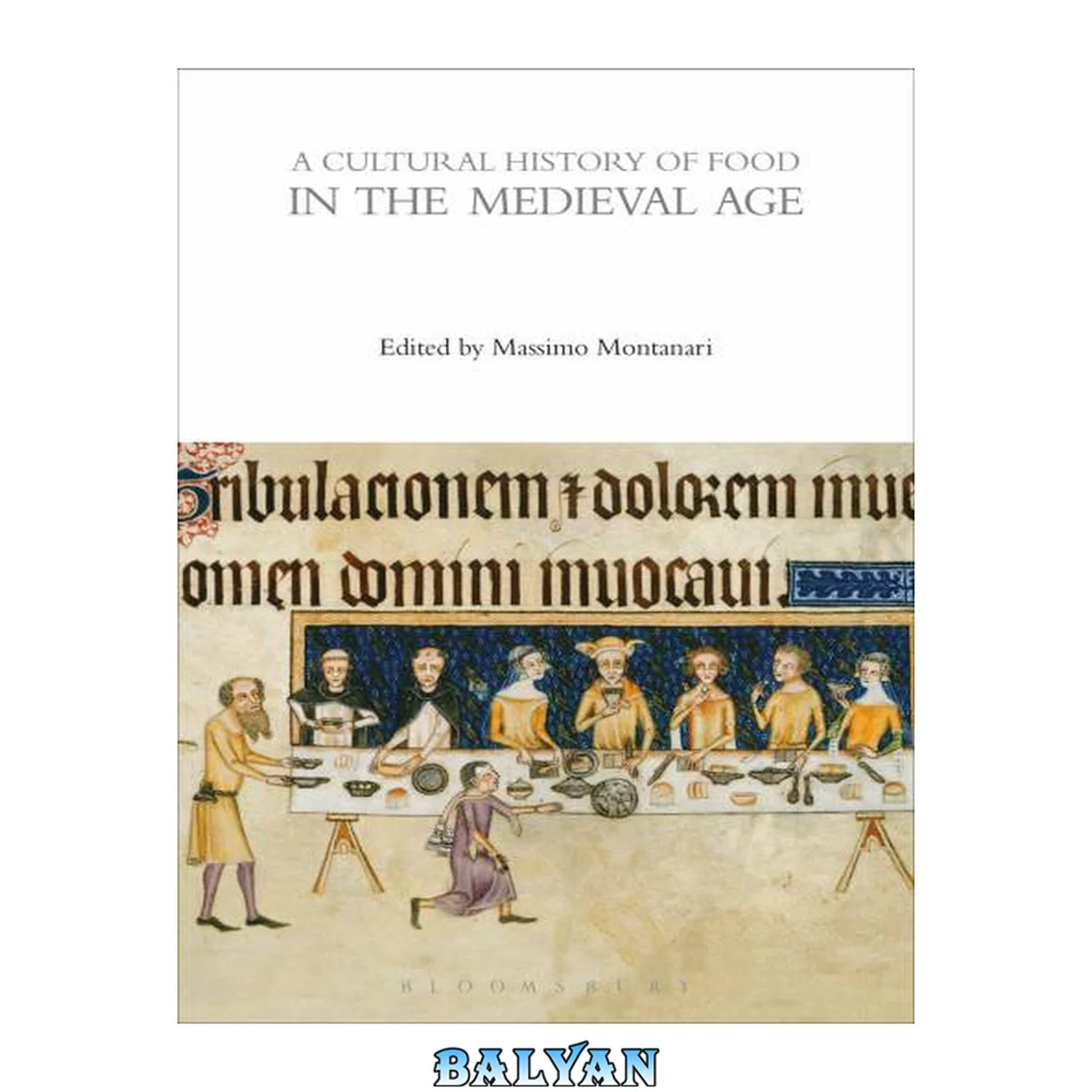
معرفی کتاب «A Cultural History of Food in the Medieval Age (The Cultural Histories Series, 2)» نوشتهٔ Dr. Paul Babiak، Dr. Robert D. Hare و Massimo Montanari (editor)، منتشرشده توسط نشر Berg Publishers در سال 2014. این کتاب در فرمت pdf، زبان انگلیسی ارائه شده است.
"Europe was formed in the Middle Ages. The merging of the traditions of Roman-Mediterranean societies with the customs of Northern Europe created new political, economic, social and religious structures and practices. Between 500 and 1300 CE, food in all its manifestations, from agriculture to symbol, became ever more complex and integral to Europe's culture and economy. The period saw the growth of culinary literature, the introduction of new spices and cuisines as a result of trade and war, the impact of the Black Death on food resources, the widening gap between what was eaten by the rich and what by the poor, as well as the influence of religion on food rituals. A Cultural History of Food in the Medieval Age presents an overview of the period with essays on food production, food systems, food security, safety and crises, food and politics, eating out, professional cooking, kitchens and service work, family and domesticity, body and soul, representations of food, and developments in food production and consumption globally."--Cover A Cultural History of Food presents an authoritative survey from ancient times to the present. This set of six volumes covers nearly 3,000 years of food and its physical, spiritual, social and cultural dimensions. 1. A Cultural History of Food in Antiquity (800 BCE - 500 CE) 2. A Cultural History of Food in the Medieval Age (500 - 1300) 3. A Cultural History of Food in the Renaissance (1300 - 1600) 4. A Cultural History of Food in the Early Modern Age (1600 - 1800) 5. A Cultural History of Food in the Age of Empire (1800 - 1900) 6. A Cultural History of Food in the Modern Age (1920 - 2000) Each volume discusses the same themes in its chapters: 1. Food Production 2. Food Systems 3. Food Security, Safety and Crises 4. Food and Politics 5. Eating Out 6. Professional Cooking, Kitchens and Service Work 7. Family and Domesticity 8. Body and Soul 9. Food Representations 10. World Developments This structure means readers can either have a broad overview of a period by reading a volume or follow a theme through history by reading the relevant chapter in each volume. Superbly illustrated, the full six volume set combines to present the most authoritative and comprehensive survey available on food through history A Cultural History of Food presents an authoritative survey from ancient times to the present. This set of six volumes covers over 2500 years of food and its physical, spiritual, social and cultural dimensions. 1. A Cultural History of Food in Classical Antiquity (800 BCE 500 CE) 2. A Cultural History of Food in the Medieval Age (500 1300) 3. A Cultural History of Food in the Renaissance (1300 1600) 4. A Cultural History of Food in the Early Modern Age (1600 1800) 5. A Cultural History of Food in the Age of Empire (1800 1900) 6. A Cultural History of Food in the Modern Age (1920 2000) Each volume discusses the same themes in its 1. Food Production 2. Food Systems 3. Food Security, Safety and Crises 4. Food and Politics 5. Eating Out 6. Professional Cooking, Kitchens and Service Work 7. Family and Domesticity 8. Body and Soul 9. Food Representations 10. World Developments This structure means readers can either have a broad overview of a period by reading a volume or follow a theme through history by reading the relevant chapter in each volume. Superbly illustrated, the full six volume set combines to present the most authoritative and comprehensive survey available on food through history. "In the modern age (1920-2000), vast technological innovation spurred greater concentration, standardization, and globalization of the food supply. As advances in agricultural production in the post-World War II era propelled population growth, a significant portion of the population gained access to cheap, industrially produced food while significant numbers remained mired in hunger and malnutrition. Further, as globalization allowed unprecedented access to foods from all parts of the globe, it also hastened environmental degradation, contributed to poor health, and remained a key element in global politics, economics and culture. A Cultural History of Food in the Modern Age presents an overview of the period with essays on food production, food systems, food security, safety and crises, food and politics, eating out, professional cooking, kitchens and service work, family and domesticity, body and soul, representations of food, and developments in food production and consumption globally."--Cover Cover 1 Half-title 3 Title 5 Copyright 6 Contents 7 Series Preface 9 Introduction 13 1. Food Production 31 2. Food Systems 49 3. Food Security 69 4. Food and Politics 85 5. Eating Out in the Early and High Middle Ages 103 6. Professional Cooking, Kitchens, and Service Work 119 7. Family and Domesticity 137 8. Body and Soul 155 9. Food Representations 163 10. World Developments 177 Notes 193 Bibliography 209 Notes on Contributors 233 Index 237 The most definitive overview of food through history, covering topics as diverse as the profession of food production, to family and the politics of food.
دانلود کتاب A Cultural History of Food in the Medieval Age (The Cultural Histories Series, 2)