A Cultural History of Animals in the Age of Empire (The Cultural Histories Series)
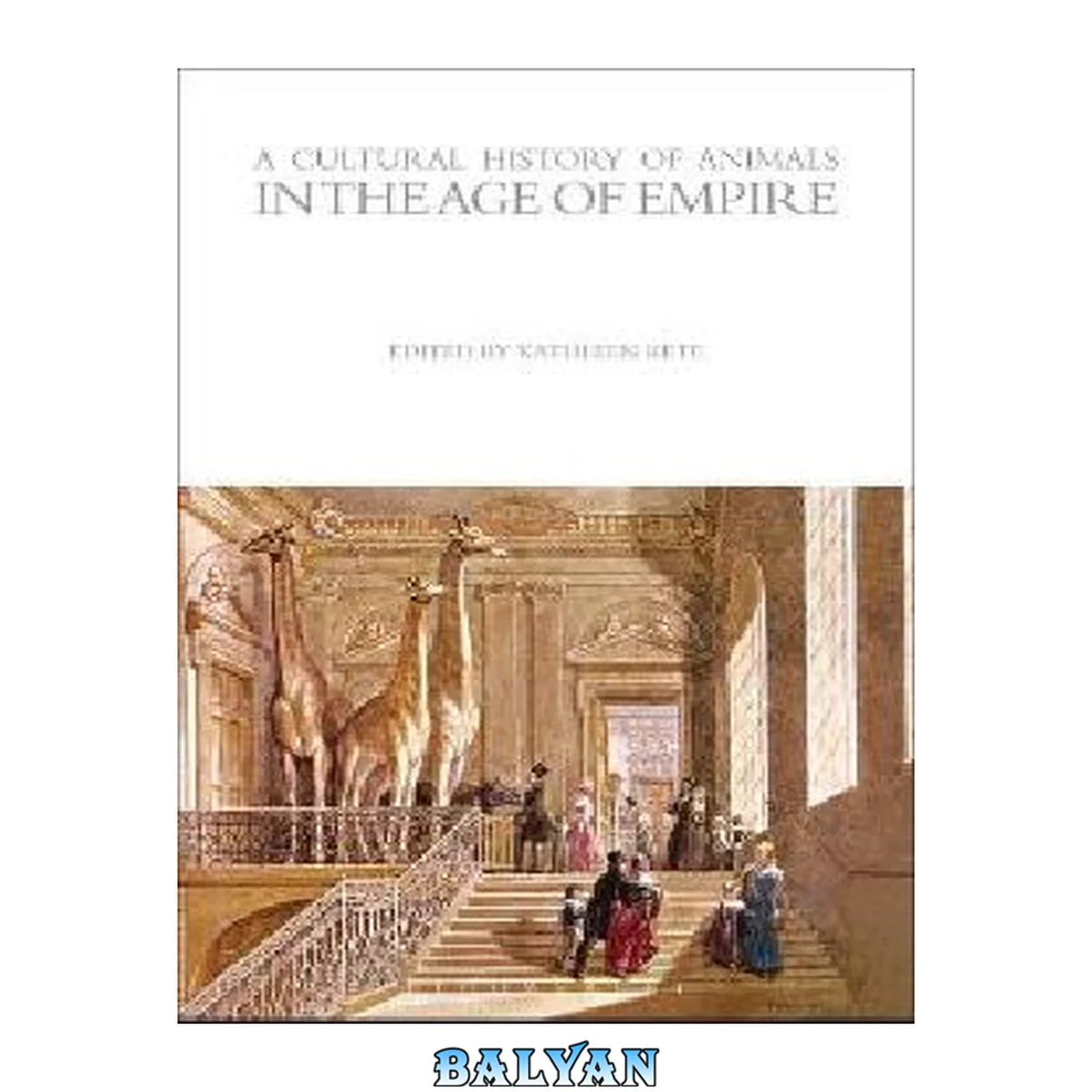
معرفی کتاب «A Cultural History of Animals in the Age of Empire (The Cultural Histories Series)» نوشتهٔ Neil، Shubin و Linda Kalof; Brigitte Pohl-Resl; Bruce Thomas Boehrer; Matthew Senior; Kathleen Kete; Randy Malamud، منتشرشده توسط نشر Berg Publishers در سال 2011. این کتاب در فرمت pdf، زبان انگلیسی ارائه شده است.
"A Cultural History of Animals in the Age of Empire explores the cultural position of animals in the period from 1800 to 1920. This was a time of extraordinary social, political and economic change as the Western world rapidly industrialized and modernized. The Enlightenment had attempted to define the human self; the Age of Empire pulled animals and humans further apart. A Cultural History of Animals in the Age of Empire presents an overview of the period and continues with essays on the position of animals in contemporary symbolism, hunting, domestication, sports and entertainment, science, philosophy, and art" Volume 5 in A Cultural History of Animals, general editors Linda Kalof and Brigitte Resl Choice Outstanding Academic Title, 2008 A Cultural History of Animals is a multi-volume project on the history of human-animal relations from ancient times to the present. The set of six volumes covers 4500 years of human-animal interaction. Volume 1: Antiquity to the Dark Ages (2500BC - 1000AD) Volume 2: The Medieval Age (1000-1400) Volume 3: The Renaissance (1400-1600) Volume 4: The Enlightenment (1600-1800) Volume 5: The Age of Empire (1800-1920) Volume 6: The Modern Age (1920-2000, including a discussion of animals of the future) As the same issues are central to animal-human relations throughout history, each volume shares the same structure, with chapters in each volume analysing the same issues and themes. In this way each volume can be read individually to cover a specific period and individual chapters can be read across volumes to follow a theme across history. Each volume explores: the sacred and the symbolic (totem, sacrifice, status and popular beliefs), hunting; domestication (taming, breeding, labour and companionship); entertainment and exhibitions (the menagerie, zoos, circuses and carnivals); science and specimens (research, education, collections and museums); philosophical beliefs; and artistic representations. The full six volume set combines to present the most authoritative and comprehensive survey available on animals through history. Introduction: Animals and Human EmpireKathleen Kete, Trinity College, Hartford 1. The Moment of Greyfriars Bobby: The Changing Cultural Position of Animals in EuropeHilda Kean, University of Oxford 2. Hunting Empires in Britain and the United StatesDaniel Herman, Central Washington University 3. Domestication of Empire: Human-Animal Relations at the Intersection of Civilisation and Acclimatisation in the Nineteenth CenturyDorothee Brantz, SUNY Buffalo 4. How the Caged Bird Sings: Entertainment and the Exhibition of AnimalsNigel Rothfels, University of Wisconsin-Milwaukee 5. From Birds of Paradise to Drosophila: The Changing Roles of Scientific Specimens in Europe and America to 1920Narisara Murray, Independent Scholar, Cambodia 6. Philosophy and Animals in the Age of EmpireMark Rowlands, University of Hertfordshire 7. Narrative Dominion or The Animals Write Back? Animal Genres in Literature and the ArtsTeresa Mangum, University of Iowa Notes Bibliography Index A Choice Outstanding Academic Title, 2008 A Cultural History of Animals in the Age of Empire explores the cultural position of animals in the period from 1800 to 1920. This was a time of extraordinary social, political and economic change as the Western world rapidly industrialized and modernized. The Enlightenment had attempted to define the human self; the Age of Empire pulled animals and humans further apart. A Cultural History of Animals in the Age of Empire presents an overview of the period and continues with essays on the position of animals in contemporary symbolism, hunting, domestication, sports and entertainment, science, philosophy, and art. "A Cultural History of Animals in the Age of Empire explores the cultural position of animals in the period from 1800 to 1920. This was a time of extraordinary social, political and economic change as the Western world rapidly industrialized and modernized. The Enlightenment had attempted to define the human self; the Age of Empire pulled animals and humans further apart. A Cultural History of Animals in the Age of Empire presents an overview of the period and continues with essays on the position of animals in contemporary symbolism, hunting, domestication, sports and entertainment, science, philosophy, and art" Publisher website A multi-volume project on the history of human-animal relations from ancient times to the present covering 4500 years of human-animal interaction, and including a discussion of animals of the future). Each volume explores: the sacred and the symbolic (totem, sacrifice, status and popular beliefs), hunting; domestication (taming, breeding, labor and companionship); entertainment and exhibitions (the menagerie, zoos, circuses and carnivals); science and specimens (research, education, collections and museums); philosophical beliefs; and artistic representations A thematic overview of how animals were seen and used in the period from 2500 BC to 1000 AD, covering symbolism, hunting, domestication, sports and entertainment, science, philosophy, and art.
دانلود کتاب A Cultural History of Animals in the Age of Empire (The Cultural Histories Series)