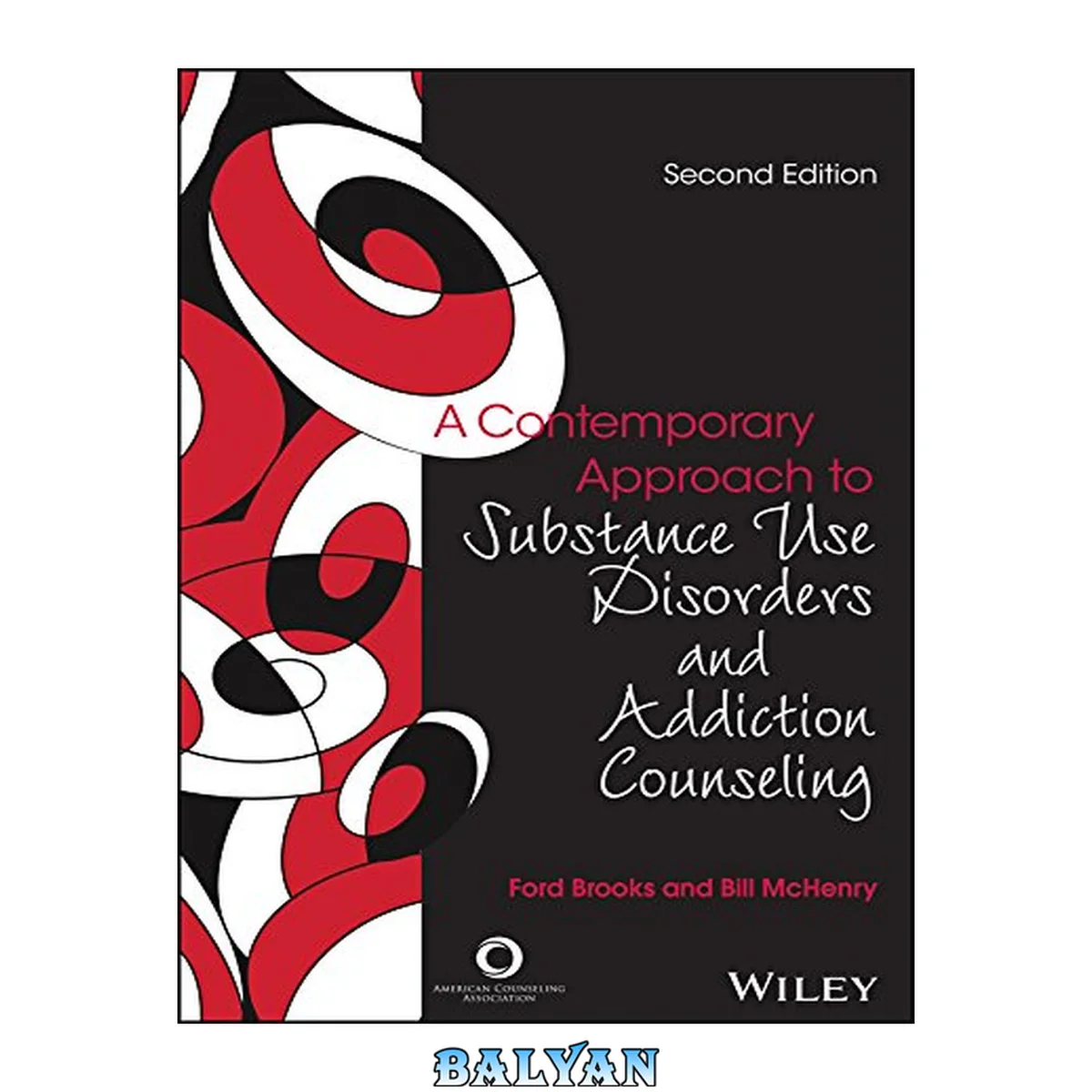
معرفی کتاب «A Contemporary Approach to Substance Use Disorders and Addiction Counseling : A Counselor's Guide to Application and Understanding» نوشتهٔ Norman Gray و Ford Brooks; Bill McHenry; American Counseling Association، منتشرشده توسط نشر American Counseling Association در سال 2015. این کتاب در فرمت pdf، زبان انگلیسی ارائه شده است.
"Written as an introduction to the field of addiction counseling, this text covers the fundamental knowledge, understanding, and skills necessary to counsel people who are struggling with addiction. Drs. Brooks and McHenry provide a straightforward, compassionate, and holistic approach to treatment and recovery, from the major theoretical underpinnings, to assessment and diagnosis, to relapse prevention and spirituality. With a focus on current clinical applications and how-tos, this book is ideal both for master s-level addictions courses and for mental health clinicians. Topics addressed include cultural and gender issues, including work with LGBT clients; drug classifications and referral; assessment, diagnosis, and interview techniques; the continuum from nonuse to addiction; work in college/university, school, and community/mental health agency settings; developmental approaches in treatment; the role of the family; grief and loss in addiction; group counseling; relapse and recovery; spirituality and support groups; addictions training, certification, and ethics; and the importance of counselor self-care. Features A comprehensive review of how addiction occurs, is assessed, and treated Information on the neurobiological aspects of addiction and important updates related to the DSM-5, trauma, and opiate treatment Case examples that bring substance abuse and addiction counseling to life Exploration questions and suggested activities in each chapter" Written as an introduction to the field of addiction counseling, this text covers the fundamental knowledge and skills necessary to counsel people who are struggling with addiction. Drs. Brooks and McHenry provide a straightforward and holistic approach to treatment and recovery, from the major theoretical underpinnings, to assessment and diagnosis, to relapse prevention and spirituality. With a focus on current clinical applications and how-tos, this book is ideal both for master's-level addictions courses and mental health clinicians. Topics covered are cultural and gender issues, including work with LGBT clients; drug classifications and referral; assessment, diagnosis, and interview techniques; the continuum from nonuse to addiction; work in college/university, school, and community/mental health agency settings; developmental approaches in treatment; the role of the family; grief and loss in addiction; group counseling; relapse and recovery; spirituality and support groups; addictions training, certification, and ethics; and the importance of counselor self-care. Exploration questions and suggested activities are presented in each chapter. *Requests for digital versions from the ACA can be found on wiley.com *To request print copies, please visit the ACA website https://imis.counseling.org/store/ *Reproduction requests for material from books published by ACA should be directed to permissions@counseling.org Straightforward and reader-friendly, A Contemporary Approach to Substance Abuse and Addiction Counseling provides a basic understanding of the nature of substance abuse and addiction, its progression, and clinical interventions for college/university, school, and community/mental health agency settings. Focusing on clinical applications and how-tos, this book will help counselors and counselors-in-training more fully engage in the helping process, find creative approaches for working with struggling clients, and embrace a holistic approach to assisting clients on their journey toward healing and recovery. Topics covered include drug classifications; assessment; working with ethnically diverse clients, the GLBT population, and women; the continuum from nonuse to addiction; developmental approaches in treating addiction; relapse prevention; grief and loss in addiction; group counseling; working with families; spirituality; addictions training and ethical issues; understanding and applying the 2009 CACREP Standards for Addiction Counseling and counselor self-care. Real-life case examples throughout the text and exploration questions at the end of each chapter will captivate students and facilitate discussion
Written as an introduction to the field of addiction counseling, this text covers the fundamental knowledge and skills necessary to counsel people who are struggling with addiction. Drs. Brooks and McHenry provide a straightforward and holistic approach to treatment and recovery, from the major theoretical underpinnings, to assessment and diagnosis, to relapse prevention and spirituality. With a focus on current clinical applications and how-tos, this book is ideal both for master’s-level addictions courses and mental health clinicians.
Topics covered are cultural and gender issues, including work with LGBT clients; drug classifications and referral; assessment, diagnosis, and interview techniques; the continuum from nonuse to addiction; work in college/university, school, and community/mental health agency settings; developmental approaches in treatment; the role of the family; grief and loss in addiction; group counseling; relapse and recovery; spirituality and support groups; addictions training, certification, and ethics; and the importance of counselor self-care. Exploration questions and suggested activities are presented in each chapter.
Written as an introduction to the field of addiction counseling, this text covers the fundamental knowledge, understanding, and skills necessary to counsel people who are struggling with addiction. Drs. Brooks and McHenry provide a straightforward, compassionate, and holistic approach to treatment and recovery, from the major theoretical underpinnings, to assessment and diagnosis, to relapse prevention and spirituality. With a focus on current clinical applications and how-tos, this book is ideal both for master s-level addictions courses and for mental health clinicians. Topics addressed include cultural and gender issues, including work with LGBT clients; drug classifications and referral; assessment, diagnosis, and interview techniques; the continuum from nonuse to addiction; work in college/university, school, and community/mental health agency settings; developmental approaches in treatment; the role of the family; grief and loss in addiction; group counseling; relapse and recovery; spirituality and support groups; addictions training, certification, and ethics; and the importance of counselor self-care.-- Back cover "Ford Brooks and Bill McHenry's second edition of A Contemporary Approach to Substance Use Disorders and Addiction Counseling is superior. It is clearly written, easy to understand, and the topical areas covered provide useful and highly relevant information for both beginning and experienced counselors. This second edition expands their original work and is one of the most creative addictions-specific books for counselors available."-Gerald A. Juhnke, EdD, Professor/American Counseling Association Fellow, The University of Texas at San Antonio "Brooks and McHenry have done an outstanding job with this second edition of their popular text, and students will appreciate their down-to-earth approach in explaining the complexities of substance addiction. For anyone who wants to learn about the multifaceted and intricate realm of substance abuse and its treatment, this book is for you."-Todd F. Lewis, PhD, Member, Motivational Interviewing Network of Trainers, Author, Substance Abuse and Addictions Treatment