عروسی برای قهرمان بوکس
A Bride for the Prizefighter
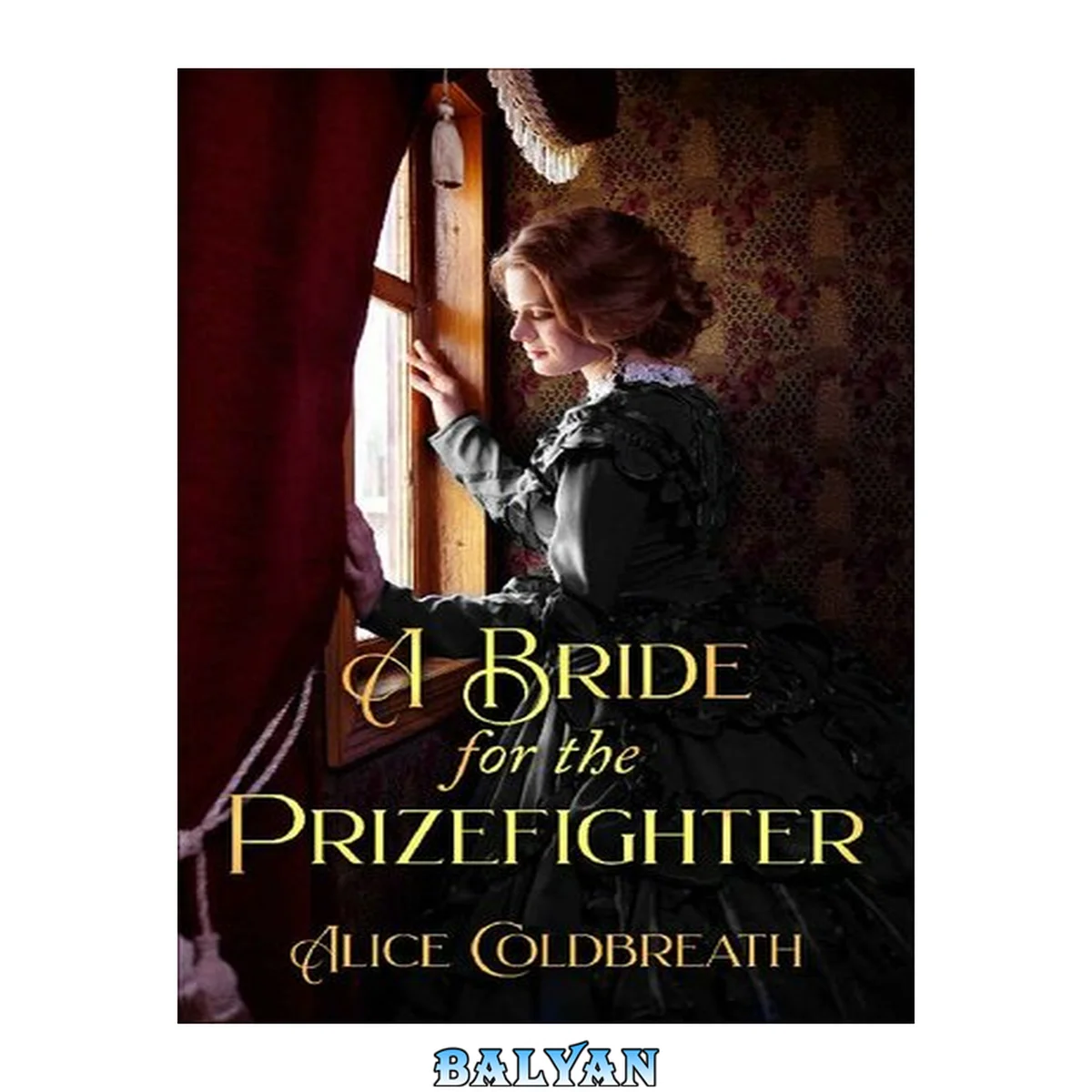
معرفی کتاب «عروسی برای قهرمان بوکس» (با عنوان لاتین A Bride for the Prizefighter) نوشتهٔ Alice Coldbreath، منتشرشده توسط نشر 2020 در سال 2020. این کتاب در فرمت epub، زبان انگلیسی ارائه شده است. «عروسی برای قهرمان بوکس» در دستهٔ رمان خارجی قرار دارد.
Over many years, I have guided students in their thesis work. As a supervisor for over 10 PhD candidates and 100 bachelor’s and mas- ter’s theses, and as a reviewer or examiner for more than 1000 the- ses, I have witnessed the challenges the students have faced. I have seen them wrestling with the formulations of their research questions, struggling with their literature reviews, sweating over their data col- lection and data analysis, and grappling with their writing. Yet, I have also seen all this hard work bearing fruit in well-crafted theses with original, significant findings, making them the pinnacle of the students’ academic work. Generative AI is promising, or threatening, to change all of this. Generative AI tools, such as ChatGPT, will be able to support all parts and aspects of thesis writing. Students will have access to mul- titudes of virtual, but devoted and indefatigable, experts, research assistants, supervisors, mentors, and editors. Will these tools take out the drudgery in thesis writing and leave the fun and creative parts? Will they enable students to produce theses with higher quality, and learn more in the process, than ever before? Or will they lure the stu- dents into soulless and automated writing with predictable and dull results? And what will the role of human supervisors be in this new landscape? This book does not answer these questions. Instead, it takes a more practical approach by providing instruments, in the form of guide- lines and prompts, that students and supervisors can use to act on these questions — the book is rather about changing than explaining. The instruments encourage students to work with generative AI in an iterative, open-ended, creative and critical way instead of just making the writing more efficient. While generative AI is here to stay as a vi- tal part of the thesis writing process, it is up to students and teachers to form its use. When writing the book, I have made extensive use of ChatGPT and Grammarly Go both for suggesting and editing text. Some prompts that I have used repeatedly can be found in Chapters 13 and 14. Fur- thermore, the chapter illustrations have all been generated with Mid- journey, using the word “steampunk”, as a metaphor for the craft of thesis writing infused with the new technology of generative AI and the art of prompting. The book was typeset in LATEX using the tem- plate “A Classic Thesis Style” by André Miede. And ChatGPT has proved a valuable resource for making up for my limited knowledge of LATEX. I have learnt much about generative AI when writing this book, in particular, that you can often get both useful and surprising results from it if you just prompt a little better. My hope is that the reader will find the book both helpful and inspiring, not only as a step to- wards better thesis writing, but also as a source for reflecting about the goals and purposes of research, scholarship and academic writ- ing. For thesis writing, it is the best of times, and it is the worst of times. You can find a downloadable version of this book at : https://writingyourthesiswithchatgpt.wordpress.com/. There you will also find additional resources, such as a tailored GPT. Acknowledgments Contents List of Figures List of Tables Listings Acronyms Prologue 1 Thesis Writing and Generative AI 1.1 The Purpose of Writing a Thesis 1.2 The IMRAD Structure 1.3 Generative AI: Boon or Bane? 1.4 Prompt Engineering for Thesis Writing 1.5 How to Read This Book 2 Generative AI 2.1 Fundamental Concepts and Methodologies 2.2 Applications of Generative AI 2.3 Ethical Considerations Introduction 3 Research Problem 3.1 Theoretical Research Problems 3.2 Practical Research Problems 3.3 Scenarios 3.4 Prompts for Research Problem 4 Research Question 4.1 From Problem to Question 4.2 Knowledge Questions and Design Questions 4.3 Research Goals as Research Questions 4.4 Characteristics of Good Research Questions 4.5 Delimitations 4.6 Prompts for Research Question 5 Background 5.1 Introduction to the topic 5.2 Conceptual Framework 5.3 Literature Review 5.4 Concept Maps 5.5 Prompts for Background Method 6 Research Strategy 6.1 Choosing a Research Strategy 6.2 Experiment 6.3 Survey 6.4 Case Study 6.5 Prompts for Research Strategy 7 Data Collection 7.1 Choosing a Data Collection Method 7.2 Questionnaires 7.3 Interviews 7.4 Observation 7.5 Documents 7.6 Prompts for Data Collection 8 Data Analysis 8.1 Qualitative Analysis 8.2 Quantitative Analysis 8.3 Prompts for Data Analysis 9 Design Science Methodology 9.1 Design Science Activities 9.2 Explicate problem 9.3 Define Requirements 9.4 Design and Develop Artefact 9.5 Evaluate Artefact 9.6 Prompts for Design Science Methodology Results 10 Results 10.1 Qualitative Results 10.2 Quantitative Results 10.3 Prompts for Results Discussion 11 Discussion 11.1 Summary of Results 11.2 Interpretation of Results 11.3 Limitations of the Study 11.4 Ethical and Societal Implications of Results 11.5 Future Work 11.6 Prompts for Discussion Thinking and Writing 12 Critical Thinking 12.1 Counterarguments 12.2 Diverse Perspectives 12.3 Hidden Assumptions 12.4 Prompts for Critical Thinking 13 Academic Writing Style 13.1 The 7 C’s of Academic Writing Style 13.2 Topics and Points in Paragraphs 13.3 Coherence among Paragraphs 13.4 Prompts for Academic Writing Style 13.4.1 Prompts for Evaluation 14 Reader Engagement 14.1 Examples and Scenarios 14.2 Metaphors and Analogies 14.3 Memorable Quotes 14.4 Acronyms 14.5 Prompts for Reader Engagement Appendices A Further Reading B Chapter Illustrations Bibliography
دانلود کتاب عروسی برای قهرمان بوکس