A Boy Named Sue: Gender and Country Music (American Made Music Series)
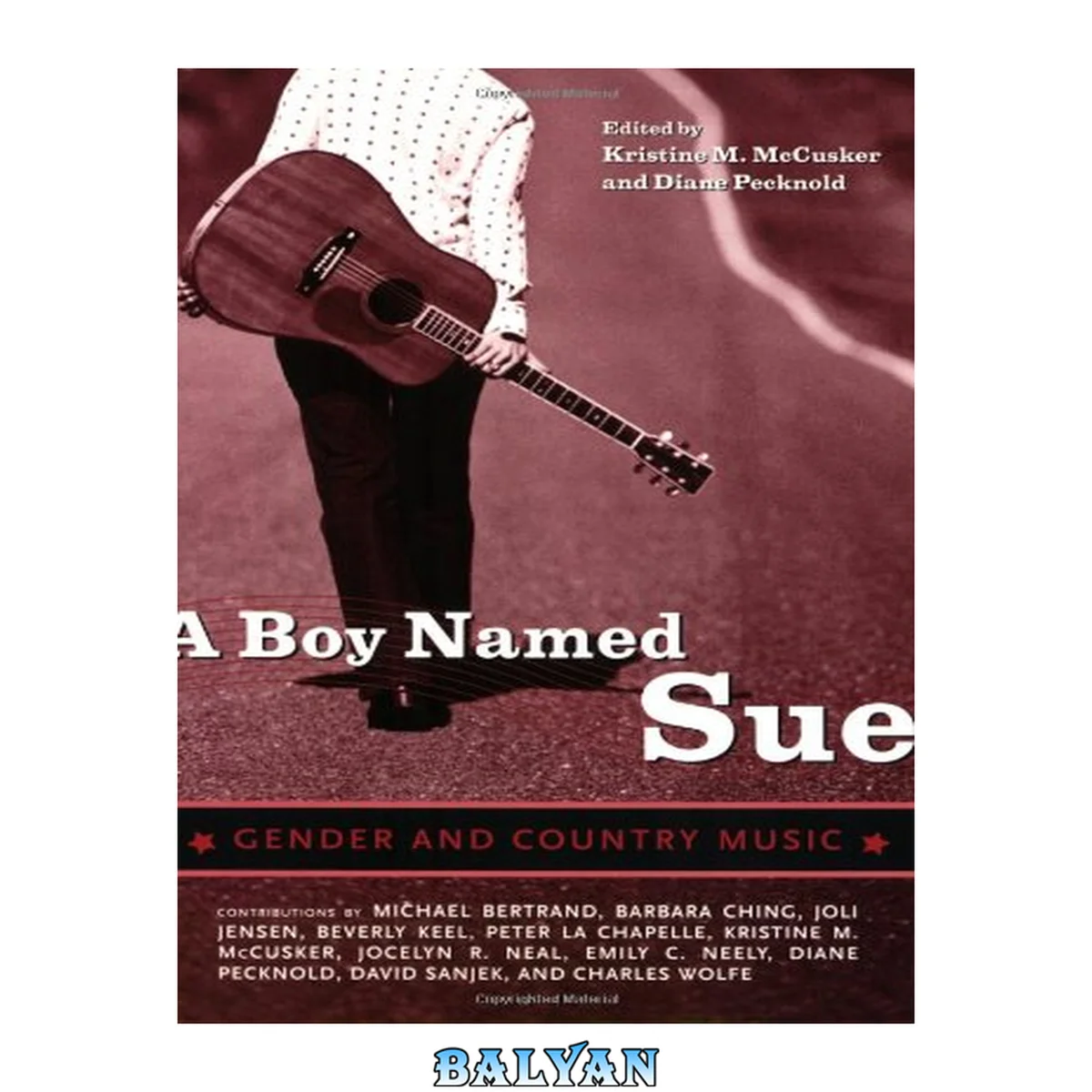
معرفی کتاب «A Boy Named Sue: Gender and Country Music (American Made Music Series)» نوشتهٔ Kristine M. McCusker, Diane Pecknold، منتشرشده توسط نشر University Press of Mississippi در سال 2004. این کتاب در فرمت pdf، زبان انگلیسی ارائه شده است.
From the smiling, sentimental mothers portrayed in 1930s radio barn dance posters, to the sexual shockwaves generated by Elvis Presley, to the female superstars redefining contemporary country music, gender roles and imagery have profoundly influenced the ways country music is made and enjoyed. Proper male and female roles have influenced the kinds of sounds and images that could be included in country music; preconceptions of gender have helped to determine the songs and artists audiences would buy or reject; and gender has shaped the identities listeners made for themselves in relation to the music they revered. This interdisciplinary collection of essays is the first book-length effort to examine how gender conventions, both masculine and feminine, have structured the creation and marketing of country music. The essays explore the uses of gender in creating the personas of stars as diverse as Elvis Presley, Patsy Cline, and Shania Twain. The authors also examine how deeply conventions have influenced the institutions and everyday experiences that give country music its image: the popular and fan press, the country music industry in Nashville, and the line dance crazes that created the dance hall boom of the 1990s. From Hank Thompson's "The Wild Side of Life" to Johnny Cash's "A Boy Named Sue," from Tammy Wynette's "Stand by Your Man" to Loretta Lynn's ode to birth control, "The Pill," A Boy Named Sue demonstrates the role gender played in the development of country music and its current prominence. From the smiling, sentimental mothers portrayed in 1930s radio barn dance posters, to the sexual shockwaves generated by Elvis Presley, to the female superstars redefining contemporary country music, gender roles and imagery have profoundly influenced the ways country music is made and enjoyed. Proper male and female roles have influenced the kinds of sounds and images that could be included in country music; preconceptions of gender have helped to determine the songs and artists audiences would buy or reject; and gender has shaped the identities listeners made for themselves in relation to the music they revered. This interdisciplinary collection of essays is the first book-length effort to examine how gender conventions, both masculine and feminine, have structured the creation and marketing of country music. The essays explore the uses of gender in creating the personas of stars as diverse as Elvis Presley, Patsy Cline, and Shania Twain. The authors also examine how deeply conventions have influenced the institutions and everyday experiences that give country music its image: the popular and fan press, the country music industry in Nashville, and the line dance crazes that created the dance hall boom of the 1990s. From Hank Thompson's "The Wild Side of Life" to Johnny Cash's "A Boy Named Sue," from Tammy Wynette's "Stand by Your Man" to Loretta Lynn's ode to birth control, "The Pill,"A Boy Named Suedemonstrates the role gender played in the development of country music and its current prominence. Kristine M. McCusker is a professor of history at Middle Tennessee State University. Diane Pecknold is an independent scholar in Chicago, Illinois From the smiling, sentimental mothers portrayed in 1930s radio barn dance posters, to the sexual shockwaves generated by Elvis Presley, to the female superstars redefining contemporary country music, gender roles and imagery have profoundly influenced the ways country music is made and enjoyed. Proper male and female roles have influenced the kinds of sounds and images that could be included in country music; preconceptions of gender have helped to determine the songs and artists audiences would buy or reject; and gender has shaped the identities listeners made for themselves in relation to the music they revered. This interdisciplinary collection of essays is the first book-length effort to examine how gender conventions, both masculine and feminine, have structured the creation and marketing of country music. The essays explore the uses of gender in creating the personas of stars as diverse as Elvis Presley, Patsy Cline, and Shania Twain. The authors also examine how deeply conventions have influenced the institutions and everyday experiences that give country music its image: the popular and fan press, the country music industry in Nashville, and the line dance crazes that created the dance hall boom of the 1990s. From Hank Thompson's "The Wild Side of Life" to Johnny Cash's "A Boy Named Sue," from Tammy Wynette's "Stand by Your Man" to Loretta Lynn's ode to birth control, "The Pill," __A Boy Named Sue__ demonstrates the role gender played in the development of country music and its current prominence. Bury Me Beneath The Willow : Linda Parker And Definitions Of Tradition On The National Barn Dance, 1932-1935 / Kristine M. Mccusker -- Spade Doesn't Look Exactly Starved : Country Music And The Negotiation Of Women's Domesticity In Cold War Los Angeles / Peter La Chapelle -- Charline Arthur : The (un)making Of A Honky-tonk Star / Emily C. Neely -- I Don't Think Hank Done It That Way : Elvis, Country Music, And The Reconstruction Of Southern Masculinity / Michael Bertrand -- I Wanna Play House : Configurations Of Masculinity In The Nashville Sound Era / Diane Pecknold -- Patsy Cline's Crossovers : Celebrity, Reputation, And Feminine Identity / Joli Jensen -- Dancing Together : The Rhythms Of Gender In The Country Dance Hall / Jocelyn R. Neal -- Between Riot Grrrl And Quiet Girl : The New Women's Movement In Country Music / Beverly Keel -- Going Back To The Old Mainstream : No Depression, Robbie Fulks, And Alt. Country's Muddied Waters / Barbara Ching -- Postlude / Charles Wolfe. Edited By Kristine M. Mccusker And Diane Pecknold. Includes Bibliographical References (p. Xxiv) And Index. The development of country music and its current prominence in the mainstream cannot be appreciated without a comprehensive understanding of the role gender played in shaping the genre. From the smiling, sentimental mothers portrayed in 1930s radio barn dance posters, to the sexual shockwaves generated by Elvis Presley, to the female superstars redefining contemporary country music, gender roles and imagery have profoundly influenced the ways country music is made and enjoyed. This collection is the first book-length effort to examine how gender conventions, both masculine and feminine, have structured the creation and marketing of country music. The essays explore the uses of gender in creating the personas of stars as diverse as Elvis Presley, Pasty Cline, and Shania Twain. The authors also examine how deeply conventions have influenced the institutions and everyday experiences that give country music its image: the popular and fan press, the country music industry in Nashville, and the line dance crazes that created the dance hall boom of the 1990s. This interdisciplinary collection of essays examines how gender conventions, both masculine and feminine, have structured the creation and marketing of country music On WLS Chicago's National Barn Dance, Linda Parker seemed to be the image of tradition embodied.
دانلود کتاب A Boy Named Sue: Gender and Country Music (American Made Music Series)